Earth’s atmosphere does not end anywhere near the edge of space: a ghostly hydrogen cloud called the geocorona stretches 630,000 kilometres out — far enough to envelop the Moon and make every lunar mission, technically, a journey through the outermost air of home
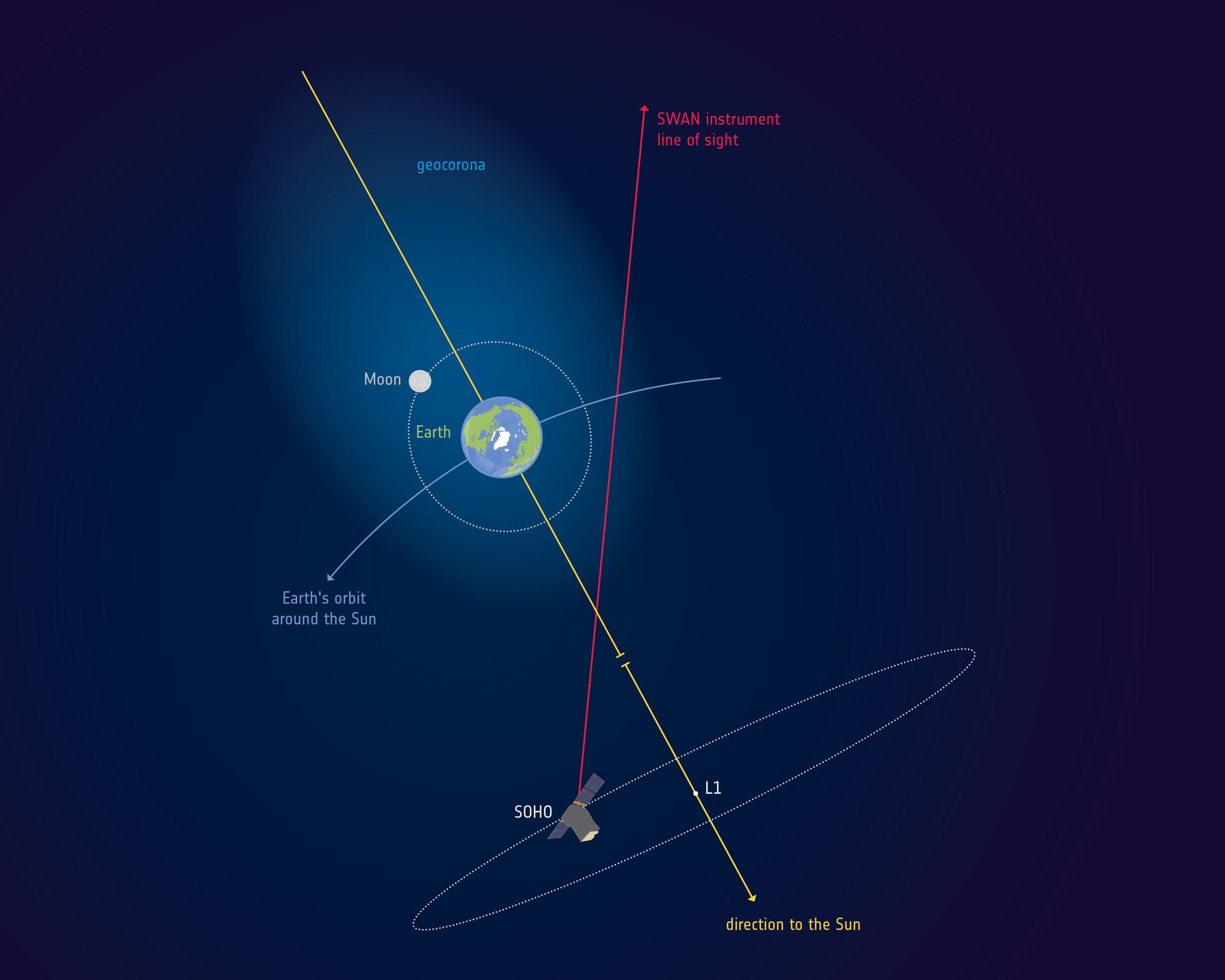
Earth’s atmosphere does not end anywhere near the edge of space: a ghostly hydrogen cloud called the geocorona stretches 630,000 kilometres out — far enough to envelop the Moon and make every lunar mission, technically, a journey through the outermost air of home

There is no altitude at which Earth’s atmosphere simply stops. The blue sky turns black, airplanes lose the ability to fly, and orbital motion takes over, but an increasingly fine population of particles continues far beyond the conventional edge of space. The most widespread neutral component is atomic hydrogen. Sunlight shines it at an ultraviolet … Read more
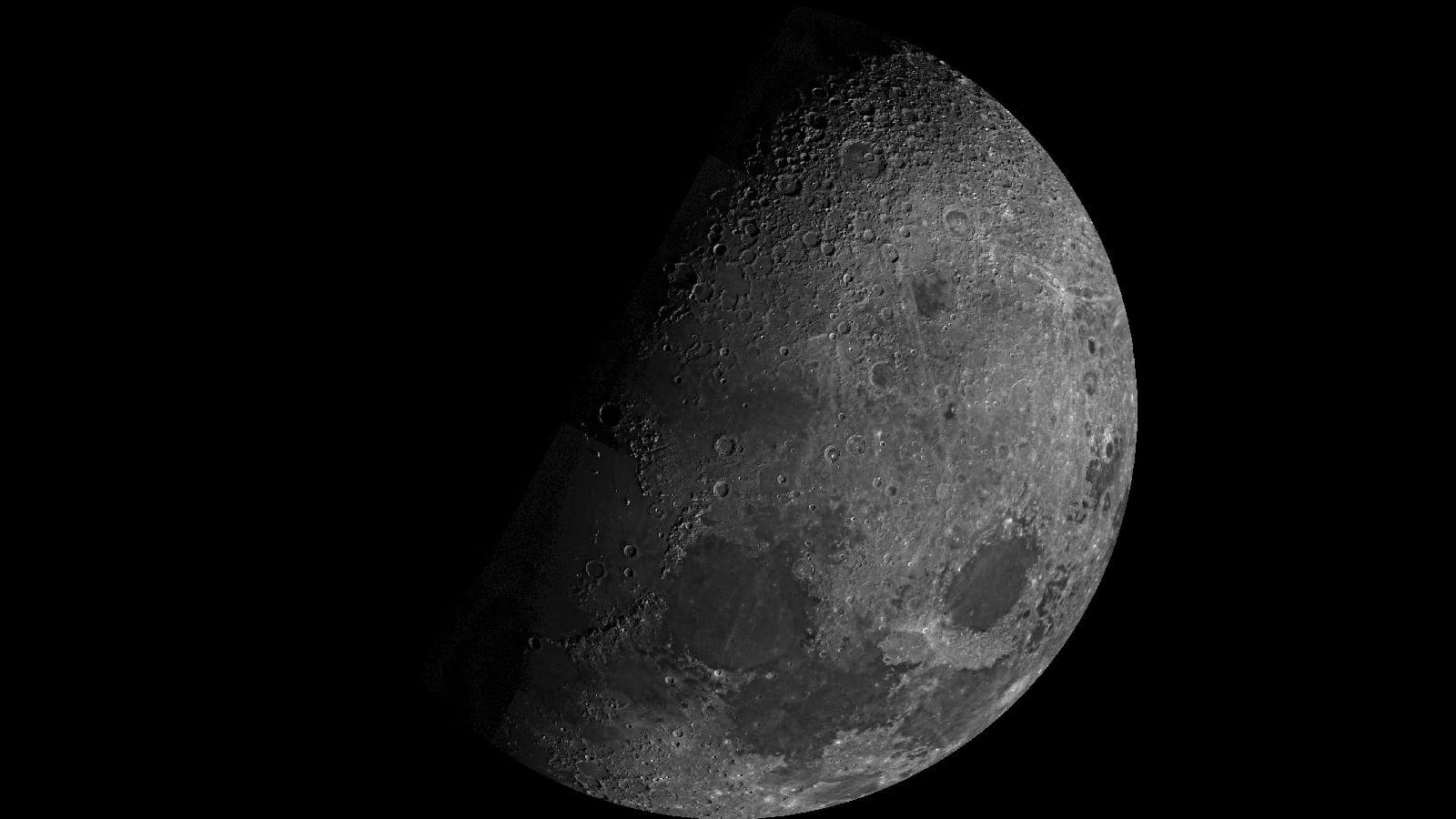
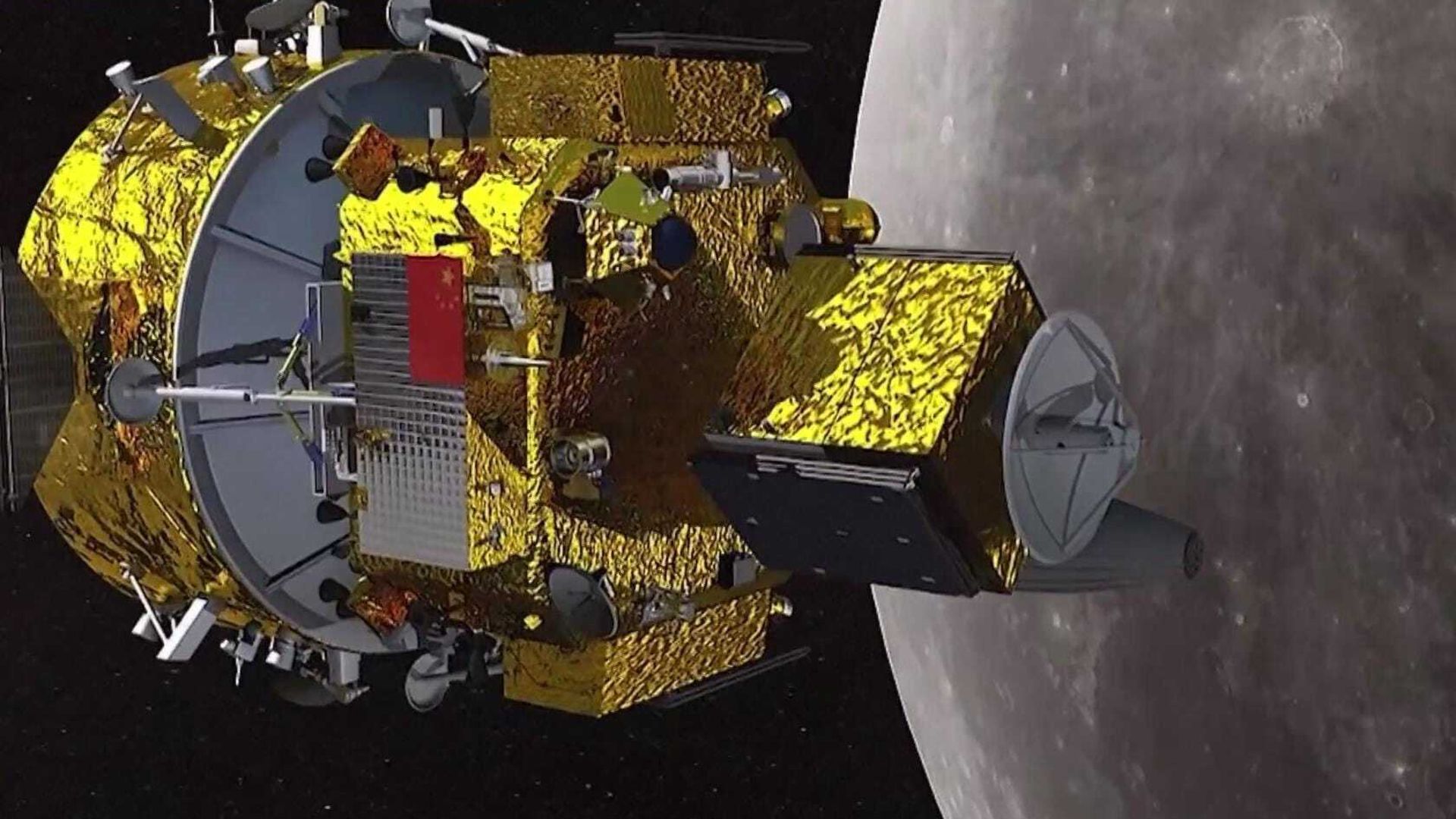
The Moon is rusting even though it has no air and almost no liquid water — and the leading explanation is that oxygen escaping Earth rides our magnetic tail 385,000 kilometres into space during the few days each month when the solar wind is blocked

The Moon is rusting even though it has no air and almost no liquid water — and the leading explanation is that oxygen escaping Earth rides our magnetic tail 385,000 kilometres into space during the few days each month when the solar wind is blocked

Oxidation should be almost impossible on the Moon. It has no substantial atmosphere, almost no liquid water, and a surface bombarded for most of each month by hydrogen from the solar wind. Hydrogen is a reducing agent, the opposite chemical to the oxidizing conditions that convert iron to rust. However, researchers analyzing data from India’s … Read more

Scientists Recreate the Melting ‘Diamond Rain’ of Neptune and Uranus. It May Help Fusion Power

Scientists Recreate the Melting ‘Diamond Rain’ of Neptune and Uranus. It May Help Fusion Power

Beneath their thin upper atmospheres, our solar system neighbors Neptune and Uranus are literally raining diamonds into their high-pressure, high-temperature middle atmospheres. The conditions there are so extreme that researchers were only able to replicate them in a test space less than a few thousandths of an inch (or a few hundred micrometers) thick, using … Read more

Could ‘dark photons’ explain dark matter?

Could 'dark photons' explain dark matter?

New research suggests that if dark matter was made up of “dark photons,” it would not have heated the early cosmos as scientists previously thought. If correct, this discovery could represent a paradigm shift in the search for the most mysterious things in the universe. Dark matter remains so elusive because, despite outweighing the everyday … Read more

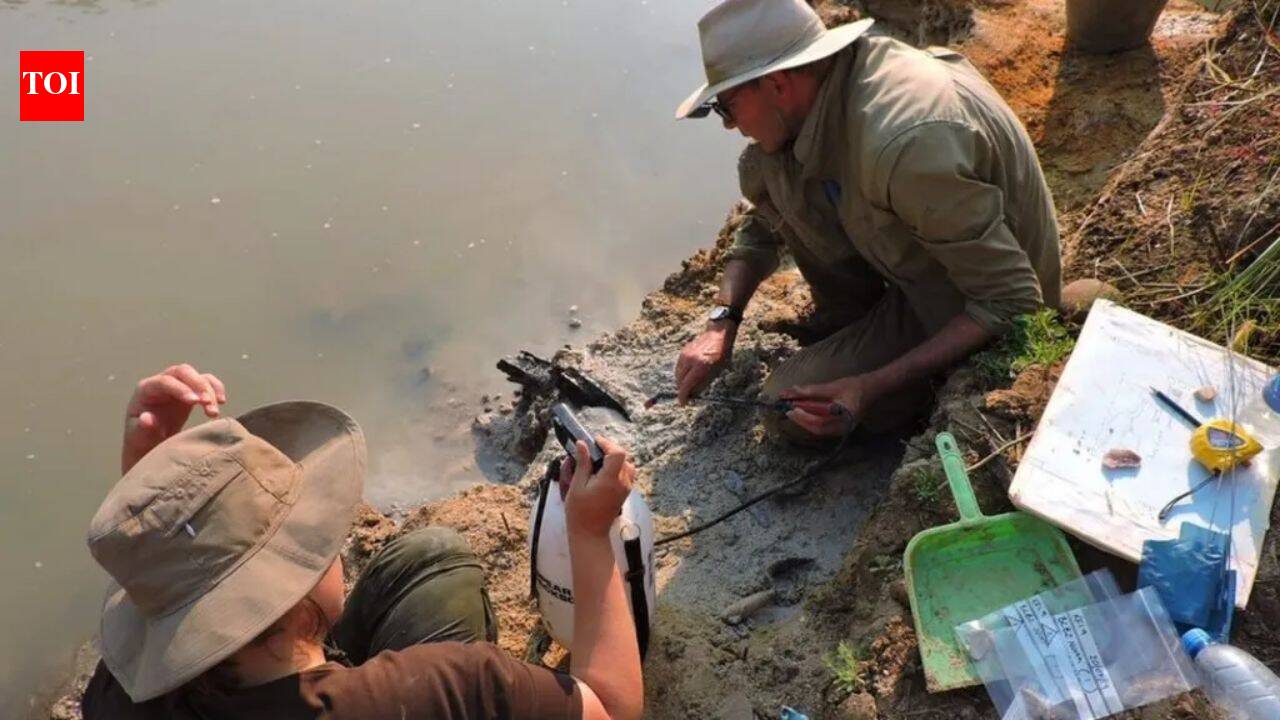
A strange wooden log found beneath Zambia’s Kalambo Falls was dismissed for decades, then archaeologists dated it to 476,000 years ago | World News

A strange wooden log found beneath Zambia’s Kalambo Falls was dismissed for decades, then archaeologists dated it to 476,000 years ago | World News

For decades, an oddly shaped log buried beneath Zambia’s Kalambo Falls hovered on the brink of an archaeological mystery. When archaeologist J. Desmond Clark discovered it in the 1950s, the wood had tapered ends and a deliberate-looking notch cut into its surface, suggesting that someone had shaped it rather than leaving it to the river. … Read more

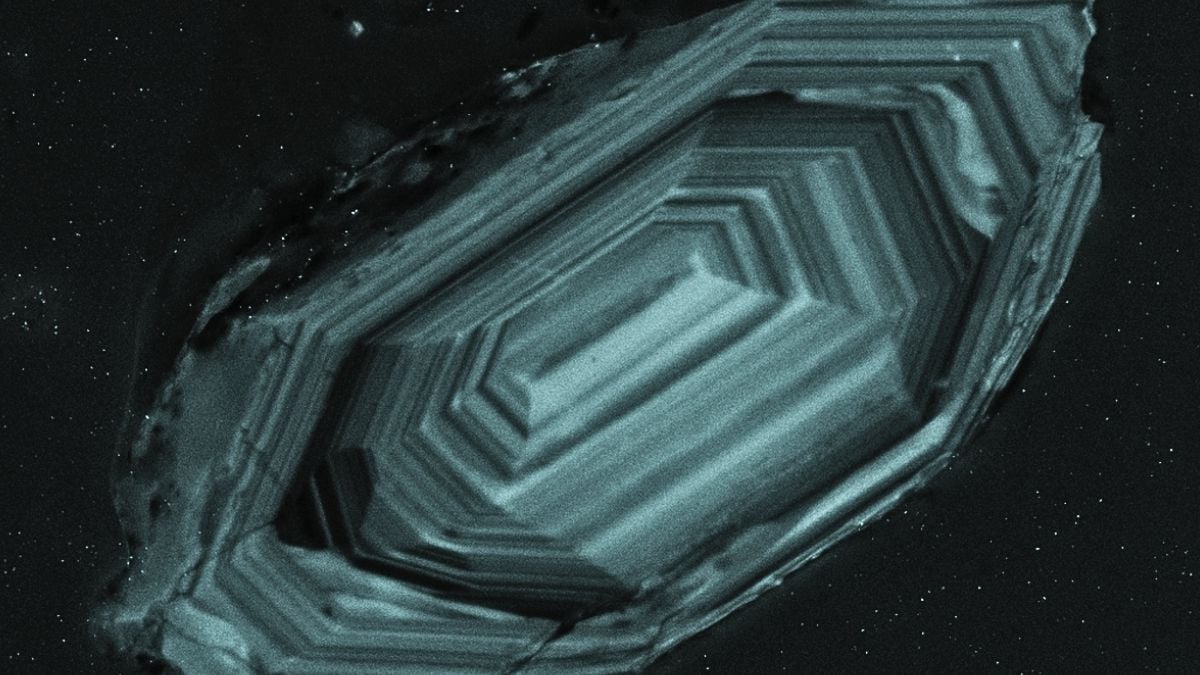
Scientists Directly Date 3.5-Billion-Year-Old Evidence of Life For The First Time : ScienceAlert

Scientists Directly Date 3.5-Billion-Year-Old Evidence of Life For The First Time : ScienceAlert

At some point in Earth’s distant past, nearly 4 billion years ago, our planet’s first life forms somehow coalesced from primordial chemistry. Not much remains of the first organisms that inhabited Earth. Time and geology have changed everything that remains almost unrecognizable. But in some rare ancient stone formations around the world, you can find … Read more

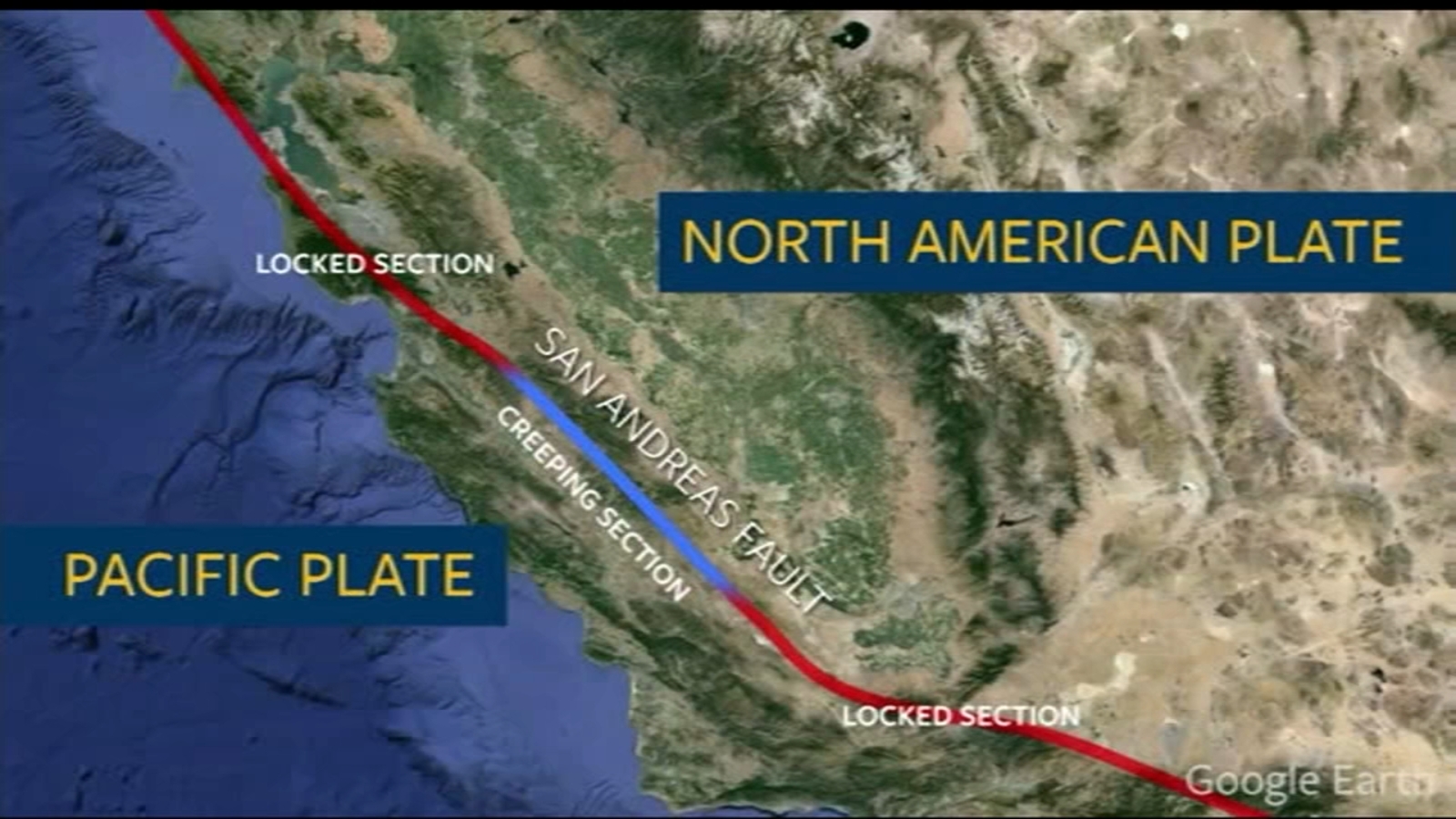
San Andreas Fault: New San Jose State University research finds fault is slipping faster than previously thought

San Andreas Fault: New San Jose State University research finds fault is slipping faster than previously thought

SAN FRANCISCO (KGO) — Just a week after a magnitude 3.9 earthquake struck Oakland’s Hayward Fault, new research highlights a danger on the San Andreas Fault. Researchers at San Jose State University found that the fault is slipping faster than previously thought. RELATED: 3.8 magnitude earthquake centered near Oakland Zoo shakes Bay Area, felt as … Read more

San Andreas Fault: New San Jose State University research finds fault is slipping faster than previously thought

San Andreas Fault: New San Jose State University research finds fault is slipping faster than previously thought

SAN FRANCISCO – Just a week after a magnitude 3.9 earthquake struck Oakland’s Hayward Fault, new research highlights a danger on the San Andreas Fault. Researchers at San Jose State University found that the fault is slipping faster than previously thought. “This work is that it is an index of which landform preserves previous earthquakes … Read more