Martian moon Deimos’ quirks may be due to an asteroid strike
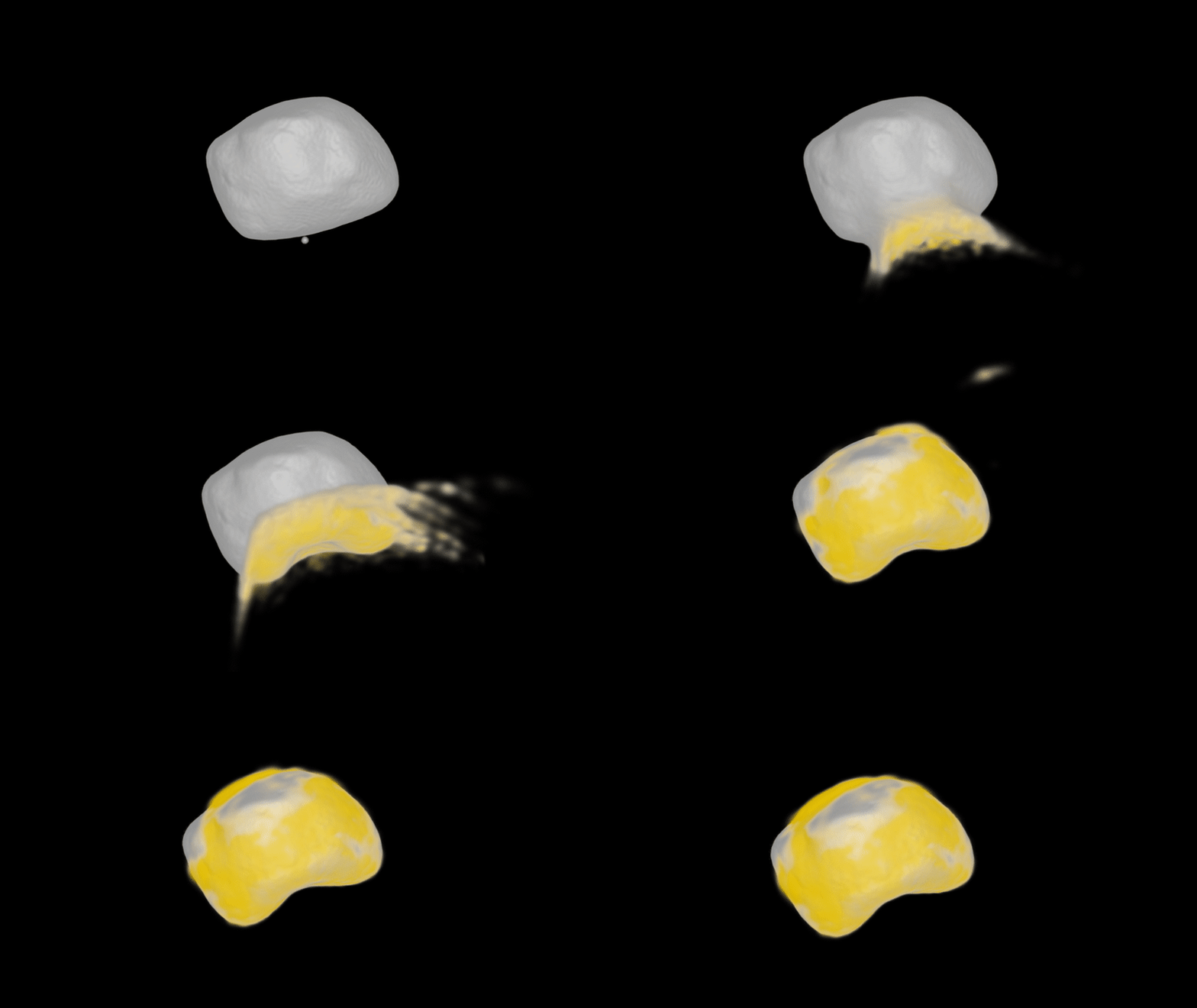
Martian moon Deimos’ quirks may be due to an asteroid strike

Mars has two small moons that lack a confirmed origin story for how they came to orbit the red planet, but new research may explain some of the mysteries surrounding the outermost satellite Deimos. Deimos, named after the son of the Greek god Ares, which means dread in ancient Greek, is a small, lumpy potato-shaped … Read more


These Whale Calls Appear to Break Physics, but the Truth Is Even Weirder

These Whale Calls Appear to Break Physics, but the Truth Is Even Weirder

While tracking whale calls near Massachusetts, oceanographer John Spiesberger noticed that the software he was using recorded speeds of whale calls above the speed limit for sound traveling in seawater. Spiesberger, of the University of Pennsylvania, initially thought something was wrong with his program. After all, if the software wasn’t to blame, it would mean … Read more

NASA Calls Off Mission To Rescue The Falling Swift Observatory

NASA Calls Off Mission To Rescue The Falling Swift Observatory

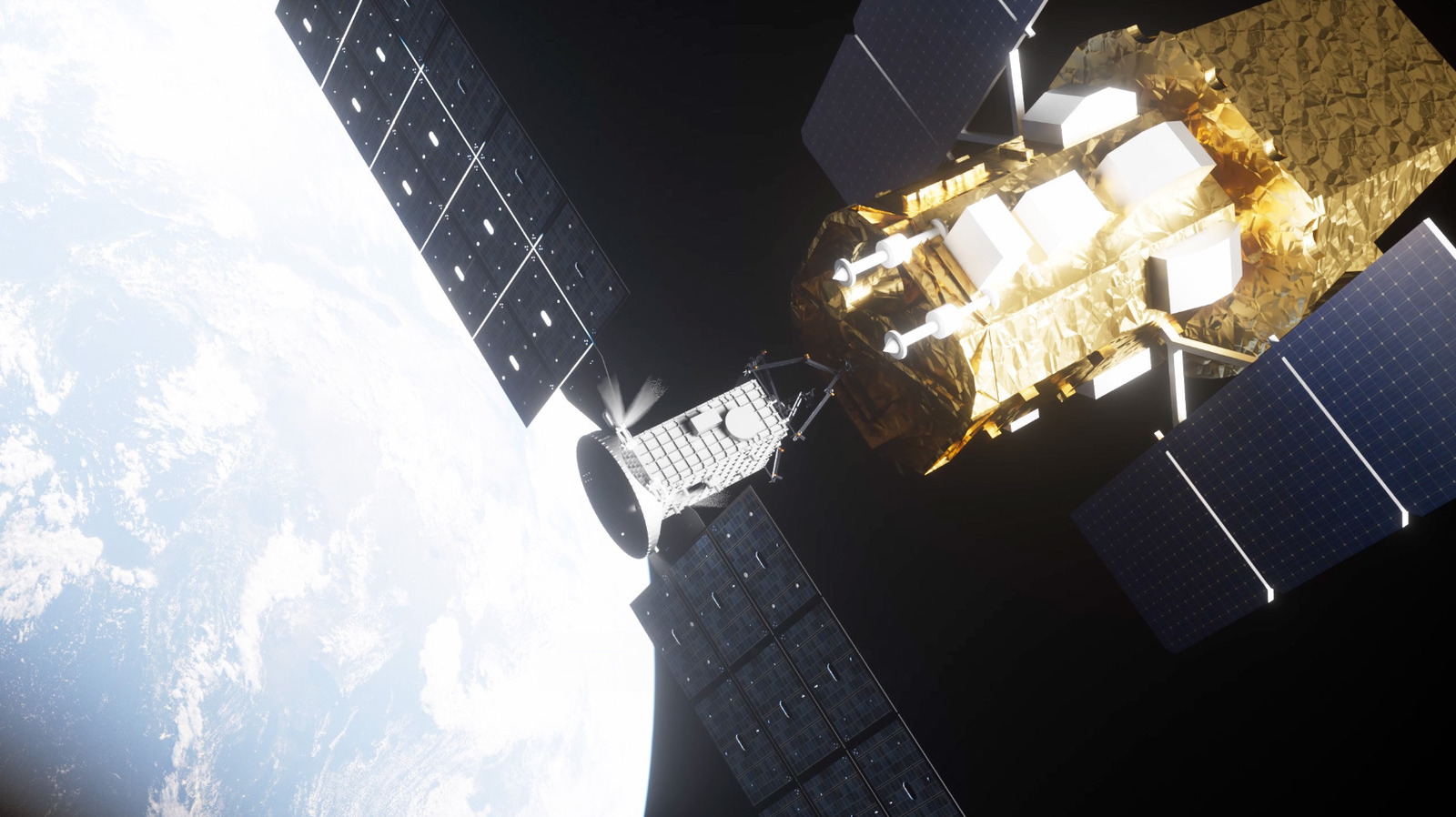
Katalyst’s LINK spacecraft will still rendezvous with the telescope, but will no longer take it to a higher orbit. NASA The Neil Gehrels Swift Observatory is expected to re-enter and burn up in Earth’s atmosphere later this year, after NASA aborted the mission intended to take it back to a higher orbit. NASA has announced … Read more

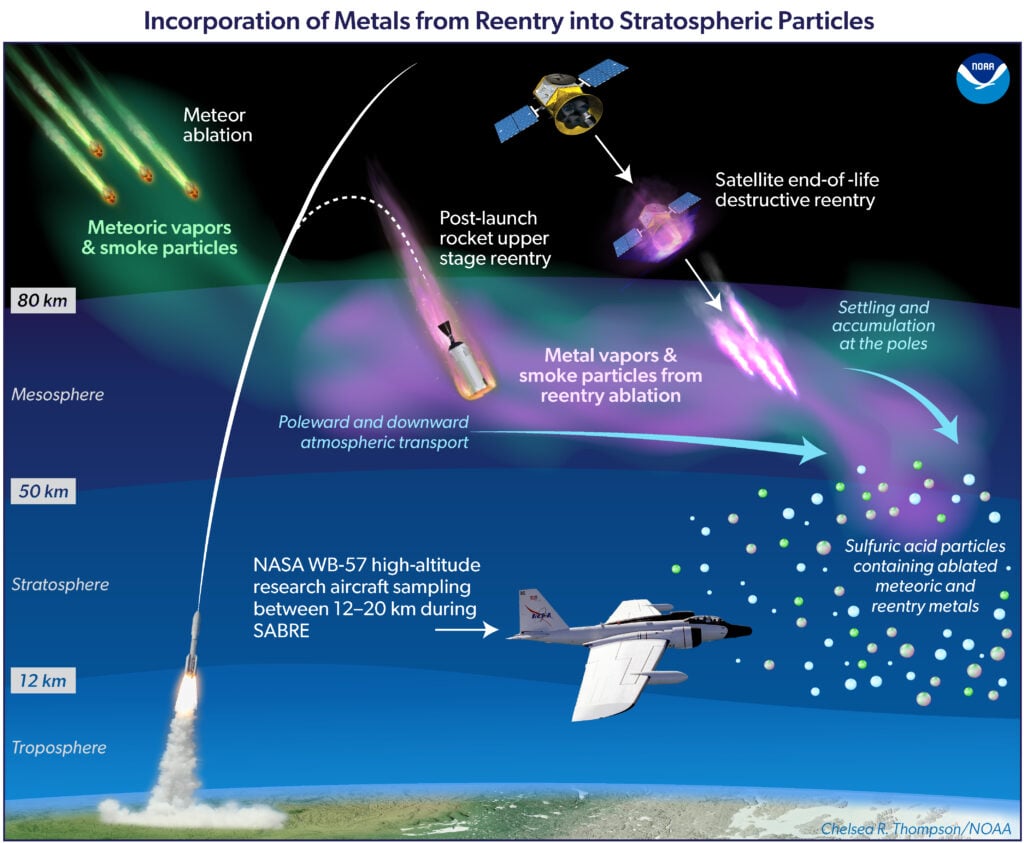
The world banned CFCs and put the ozone layer on a path to recovery. Now thousands of dying satellites are introducing aluminium oxide nanoparticles into the upper atmosphere — particles scientists warn can catalyse the chlorine chemistry that destroys ozone.

The world banned CFCs and put the ozone layer on a path to recovery. Now thousands of dying satellites are introducing aluminium oxide nanoparticles into the upper atmosphere — particles scientists warn can catalyse the chlorine chemistry that destroys ozone.

The Montreal Protocol produced a result that can be measured in the atmosphere. Almost all controlled substances that deplete the ozone layer have been phased out and in the coming decades the ozone layer is expected to return to its 1980 condition. Low Earth orbit is now creating a different source of reactive material. Short-lived … Read more

NASA Tests Featherweight Radar Antenna For SkyFall Mars Helicopters

NASA Tests Featherweight Radar Antenna For SkyFall Mars Helicopters

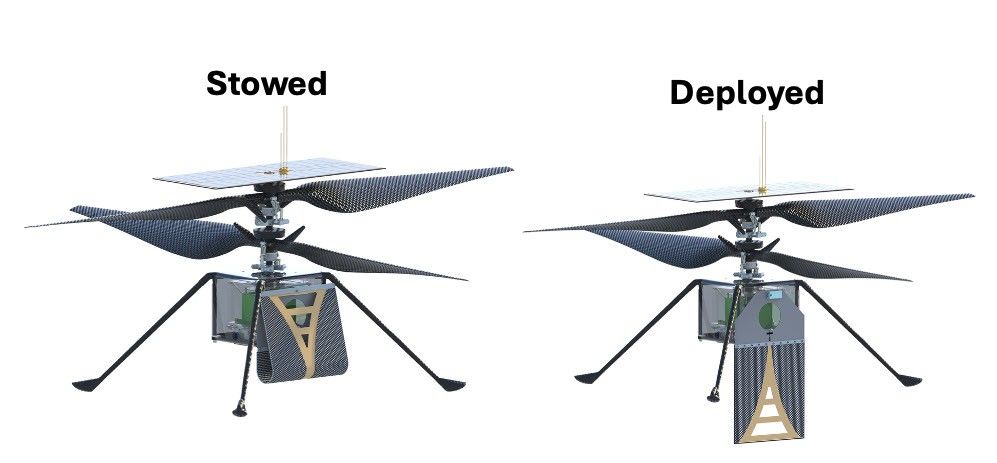
After the small Ingenuity Mars helicopter blew everyone away with its performance, it became clear that a future mission to Mars should involve more helicopters like it, with even more capabilities. The main proposal here is NASA’s SkyFall mission, which would involve three autonomous helicopters, capable of searching for resources such as water. To do … Read more

The threatening thaw: climate professor on heatwave risks to tipping point of permafrost | Environment

The threatening thaw: climate professor on heatwave risks to tipping point of permafrost | Environment

Heatwaves and wildfires are not just scorching forests, they add to tipping-point risks in the world’s vast permafrost regions, which contain three times more carbon than all living vegetation on Earth. This is a big concern for Gustaf Hugelius, a professor at the Bolin Center for Climate Research at Stockholm University, Sweden, and a leading … Read more

Astronomers detect fastest known star in Milky Way | Astronomy

Astronomers detect fastest known star in Milky Way | Astronomy

Astronomers have detected the fastest known star in the Milky Way, hurtling around the supermassive black hole at the heart of the galaxy. The star, called S301, travels at about 25,000 kilometers (15,500 miles) per second, 100,000 times faster than a commercial airliner. It is also the closest known star to the Milky Way’s central … Read more

Part of California’s San Andreas Fault is slipping faster than thought

Part of California’s San Andreas Fault is slipping faster than thought

Kim Blisniuk, professor of geology at San Jose State University, examines Sanborn County Park in Saratoga on August 6. Blisniuk investigates the terrain and rock formations within the park, where the San Andreas Fault runs directly below. Santiago Mejía/SF Chronicle According to new research, a large earthquake is more likely to occur just south of … Read more

Katalyst Space and NASA abandon plans for Swift reboost

Katalyst Space and NASA abandon plans for Swift reboost

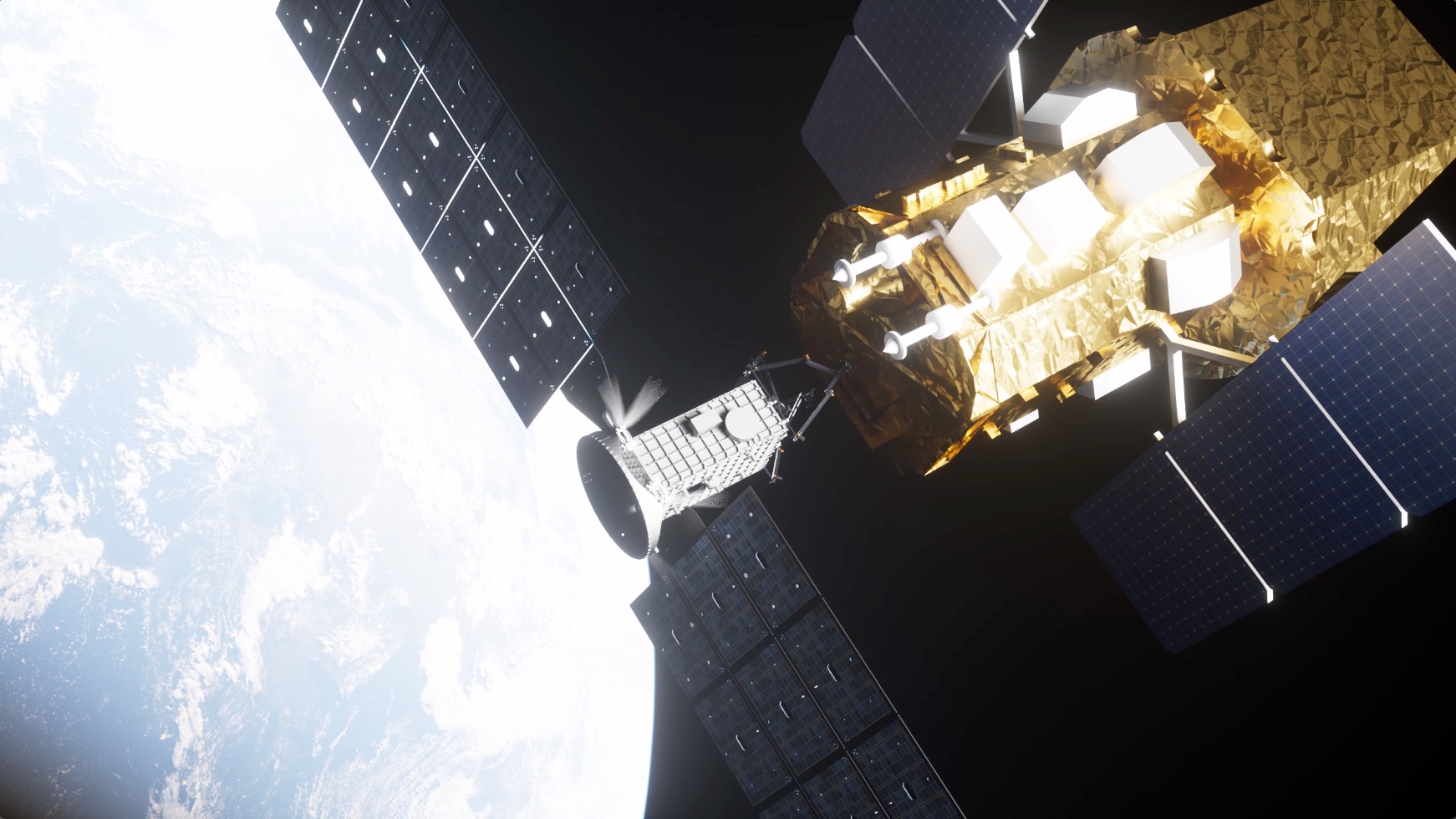
WASHINGTON – Katalyst Space and NASA have canceled plans to use the company’s Link spacecraft to raise the orbit of the agency’s Swift gamma-ray observatory, citing attitude control problems with the spacecraft. The company announced on August 20 that it had concluded, in consultation with NASA, that its Link spacecraft will not attempt to catch … Read more