Scientists build a DNA computer that can perform calculations in a drop of water

Scientists build a DNA computer that can perform calculations in a drop of water

Scientists have built a DNA-powered computer that can perform calculations using billions of molecules in a tiny drop of water. The system leverages the laws of physics to create what scientists describe as a computing system that is more efficient than conventional computers widely used today. Instead of continually using energy to force a calculation … Read more

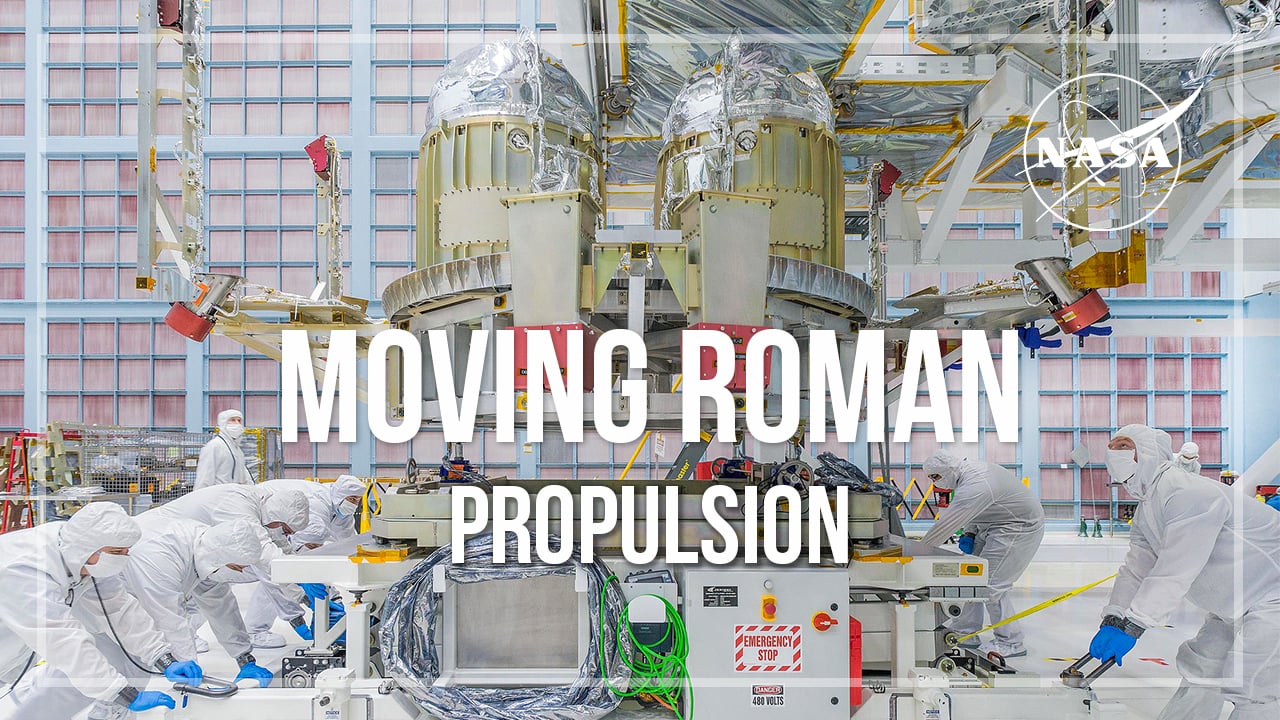
NASA budgeted 200 kilograms of fuel for Roman’s first course correction, but the telescope used only 18. Combined with extra fuel loaded before launch and further expected savings, that could stretch its 10-year fuel plan to at least 22 years.

NASA budgeted 200 kilograms of fuel for Roman’s first course correction, but the telescope used only 18. Combined with extra fuel loaded before launch and further expected savings, that could stretch its 10-year fuel plan to at least 22 years.

NASA’s Nancy Grace Roman Space Telescope began its journey to the Sun-Earth L2 region with a propellant budget built around uncertainty. The first major test of that reserve has yielded a much better result than the conservative plan. Roman’s team had allocated 441 pounds, or 200 kilograms, of fuel for the first midcourse correction. The … Read more

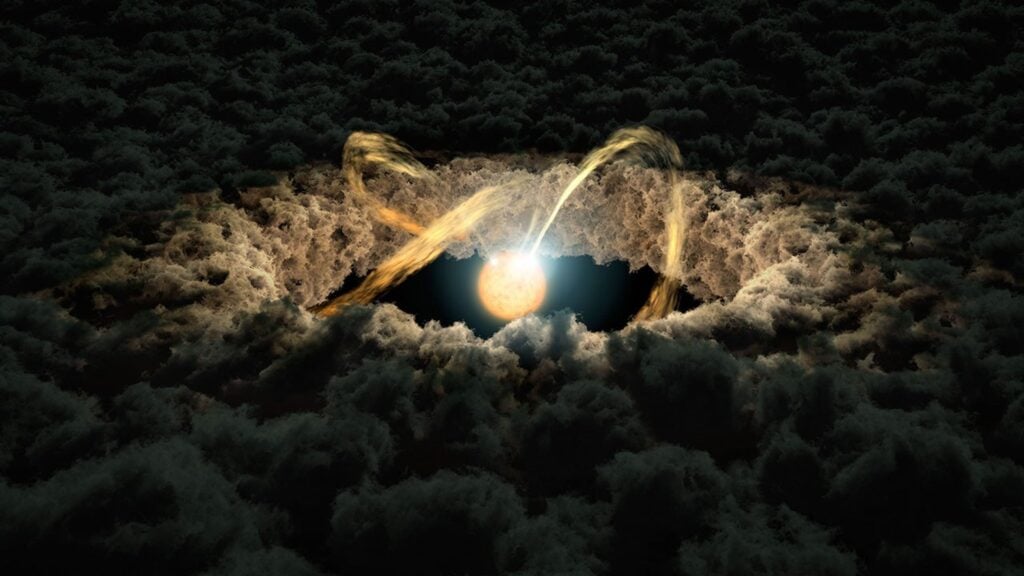
During the Solar System’s first million years, its earliest outer worlds formed from material that was up to 92 percent heat-forged rock, while gas flowing through the young system filtered out much of the surrounding ice-rich dust.

During the Solar System’s first million years, its earliest outer worlds formed from material that was up to 92 percent heat-forged rock, while gas flowing through the young system filtered out much of the surrounding ice-rich dust.

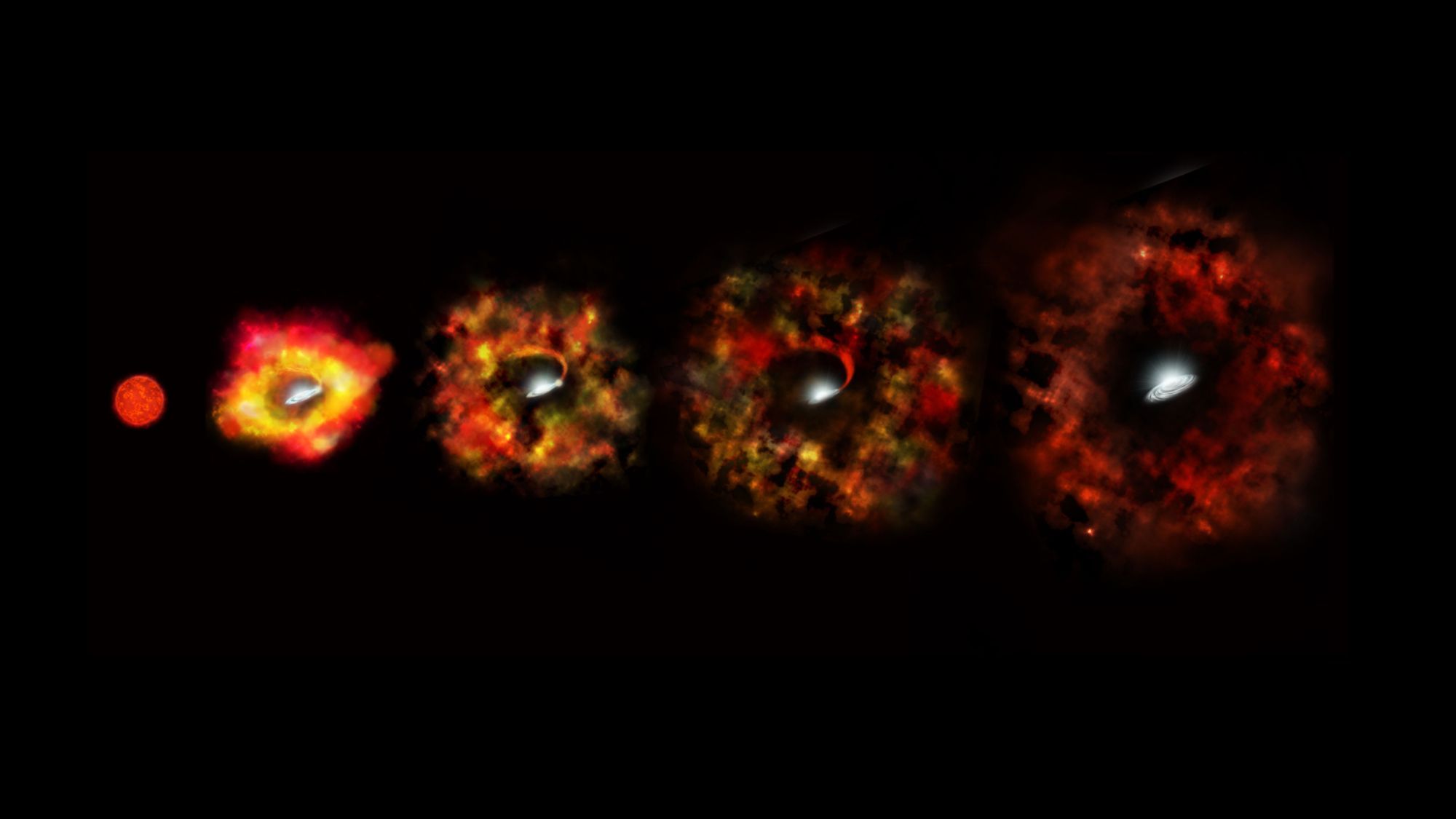
Los primeros mundos sólidos ensamblados en el Sistema Solar exterior no se limitaron a recopilar una primicia representativa de todo lo que les rodeaba. Un nuevo análisis de meteoritos de hierro carbonoso indica que sus planetesimales originales contenían sólo entre un 8 y un 17 por ciento de una matriz fina y rica en volátiles. … Read more

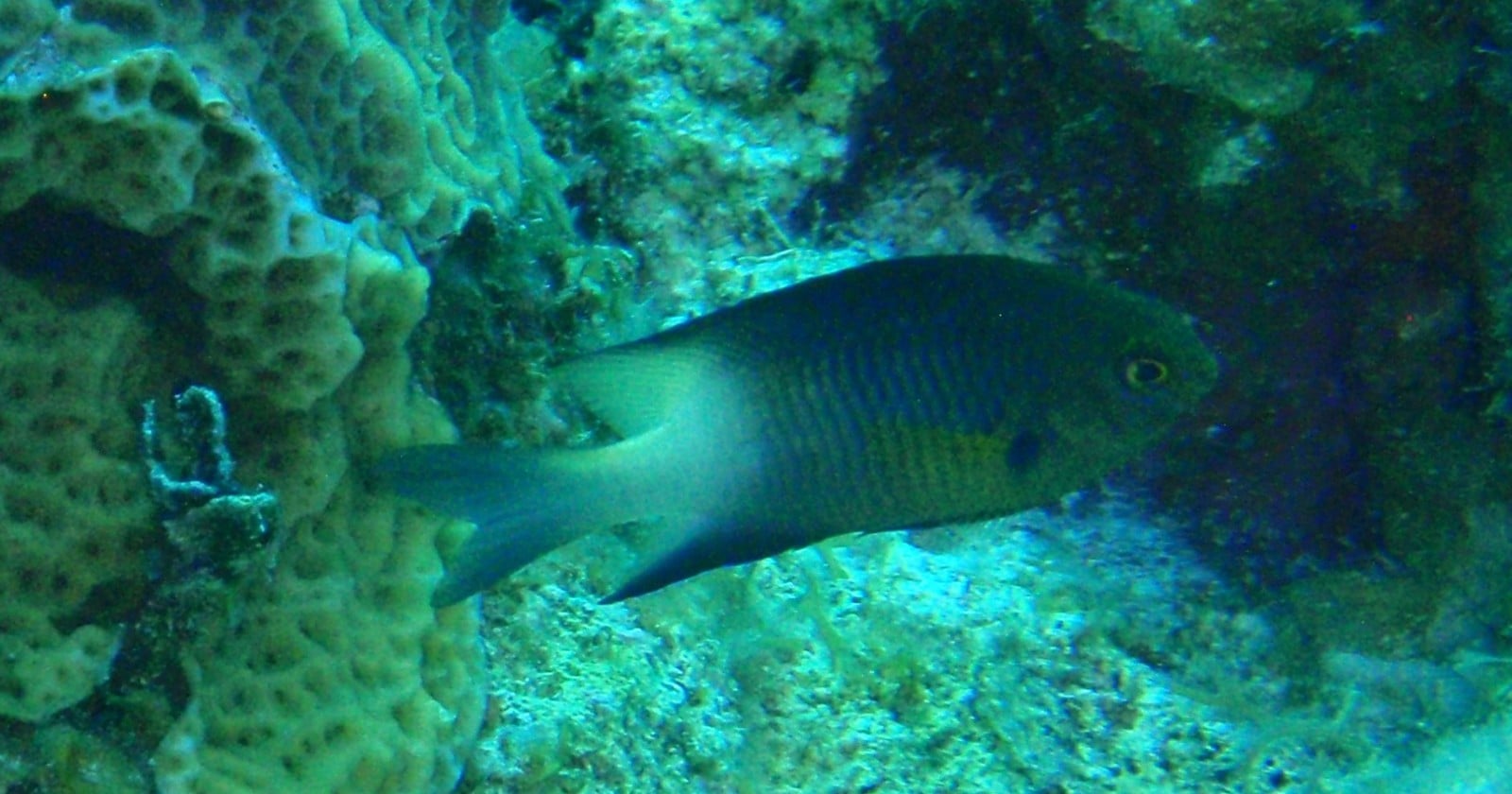
Reef fish on a Curaçao coral patch never bolted from a black disk expanding on an iPad below two metres a second, and that threshold sits just under the speeds at which bar jacks on the same reef were filmed attacking

Reef fish on a Curaçao coral patch never bolted from a black disk expanding on an iPad below two metres a second, and that threshold sits just under the speeds at which bar jacks on the same reef were filmed attacking

Peeking is the word for what an approaching object does to an eye. The image of the thing grows, and grows at an accelerated rate, and that rate carries information: how fast the object is coming and approximately when it will arrive. Animals across the tree of life respond to it, from insects to birds … Read more

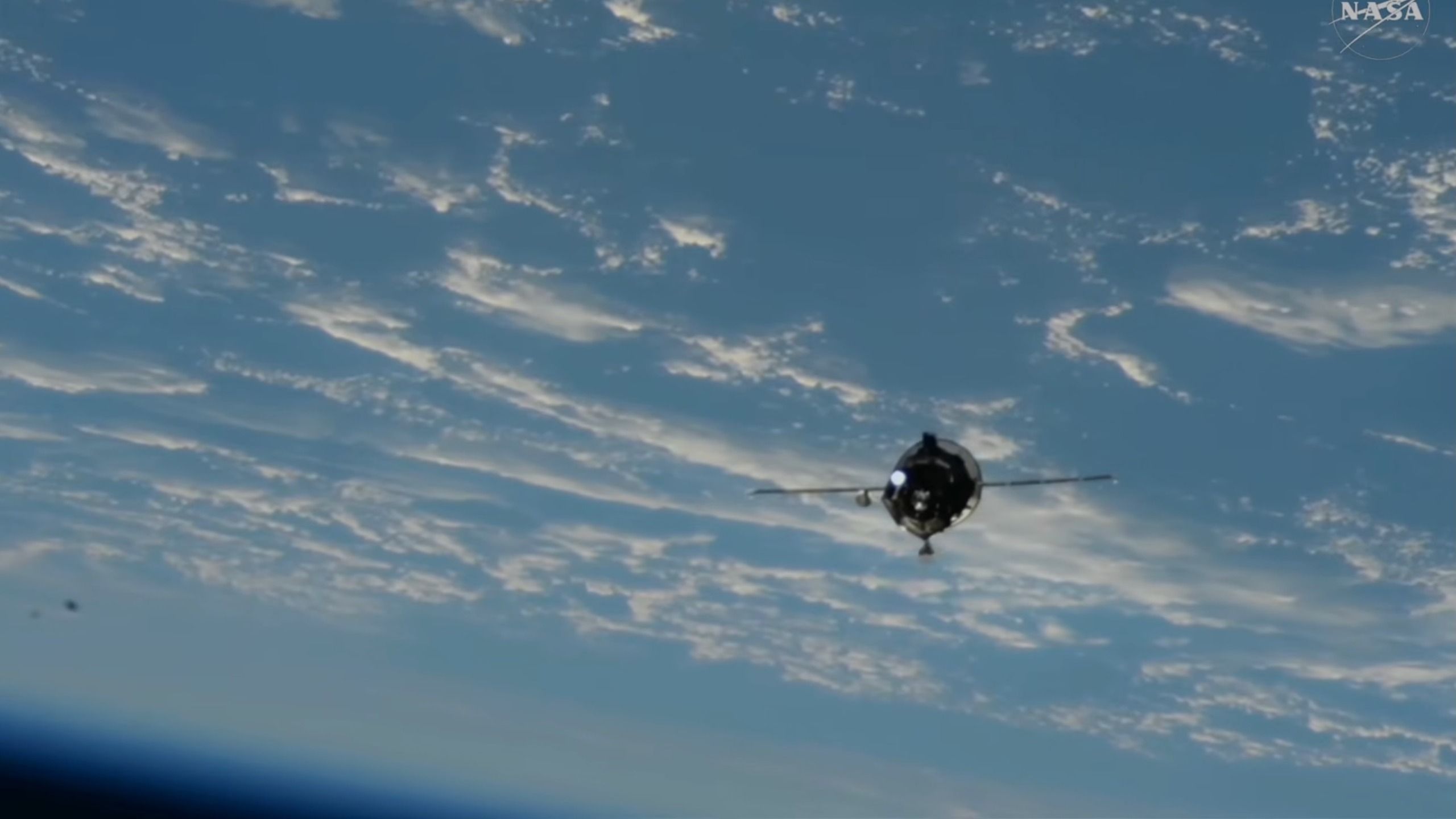
Russian Progress spacecraft delivers 3 tons of cargo to the ISS (video)

Russian Progress spacecraft delivers 3 tons of cargo to the ISS (video)

The Russian Progress 96 robotic cargo spacecraft rendezvoused with the space station today (September 19). Progress 96 launched atop a Soyuz rocket from the Baikonur Cosmodrome in Kazakhstan on Wednesday (September 16), kicking off a three-day orbital chase of the International Space Station (ISS). That chase came to an end today at 9:44 a.m. EDT … Read more

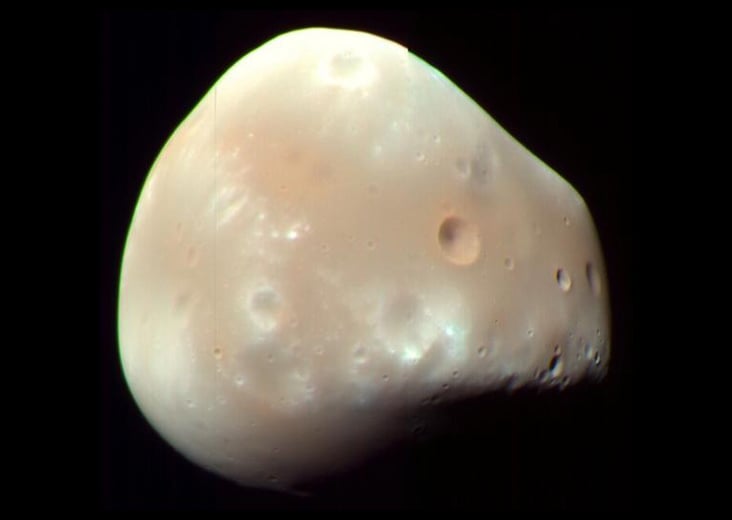
On Deimos, orbital speed just above the surface is only about 14 km/h—around elite racewalking pace—while roughly 20 km/h would let you escape the tiny moon altogether.

On Deimos, orbital speed just above the surface is only about 14 km/h—around elite racewalking pace—while roughly 20 km/h would let you escape the tiny moon altogether.

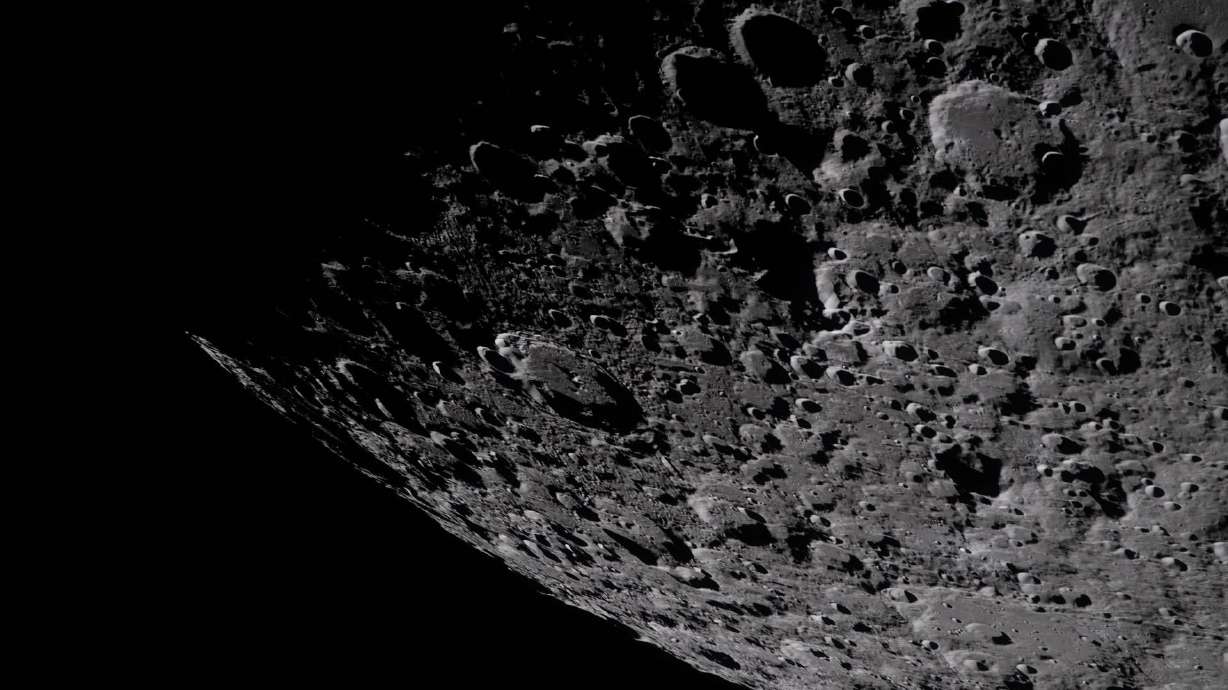
On Earth, orbit belongs to the realm of rockets. The International Space Station travels at approximately 28,000 kilometers per hour, and a projectile would need about 40,000 kilometers per hour near the Earth’s surface to escape without further propulsion. Around Deimos, Mars’ smallest moon, the same physics produces street-level numbers. A 2024 peer-reviewed study of … Read more

Ancient rocks from Western Australia suggest Earth was already dragging surface water into its mantle and using it to generate volcanoes 3.1 billion years ago — through a primitive recycling process that may have preceded modern plate tectonics

Ancient rocks from Western Australia suggest Earth was already dragging surface water into its mantle and using it to generate volcanoes 3.1 billion years ago — through a primitive recycling process that may have preceded modern plate tectonics

The pillow lavas look like a bunch of stone beanbags, collapsed one on top of the other where the molten rock collided with cold seawater and hardened on the spot. Those on display in a stretch of the Pilbara in Western Australia have remained there, largely undisturbed, since long before anything on this planet had … Read more