This cookie started as a plastic bottle — and might feed astronauts
This cookie started as a plastic bottle — and might feed astronauts

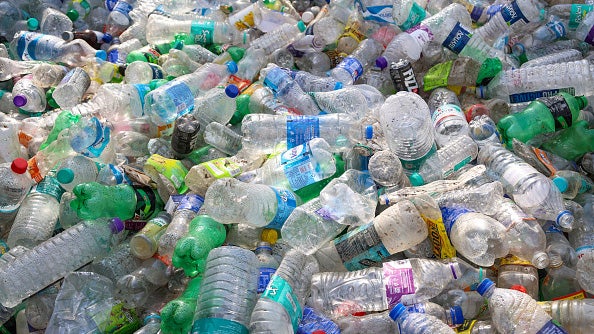
This cookie is made from waste plant materials and plastic and could feed humans everywhere, from submarines to spaceships. (SIU Carbondale Communications) When you pull out your favorite cookie recipe, you probably won’t find plastic as one of the ingredients, but scientists have found a way to transform your trash into treats that could help … Read more
Lunar orbiter spots ‘once in a lifetime’ new crater

Lunar orbiter spots ‘once in a lifetime’ new crater

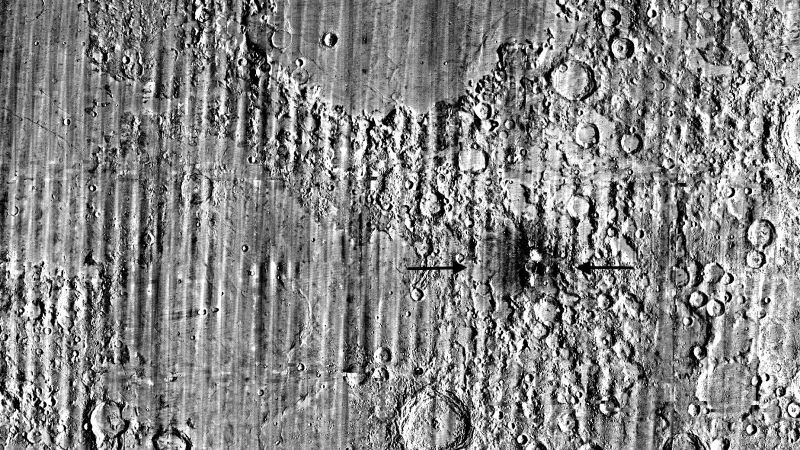
The moon’s surface experienced a violent encounter with a comet or asteroid, and it has a massive battle scar to prove it. The space rock, estimated to be the size of a three- to six-story-tall building, crashed into the moon’s eastern edge two years ago, between April 11 and May 22, 2024, although researchers did … Read more

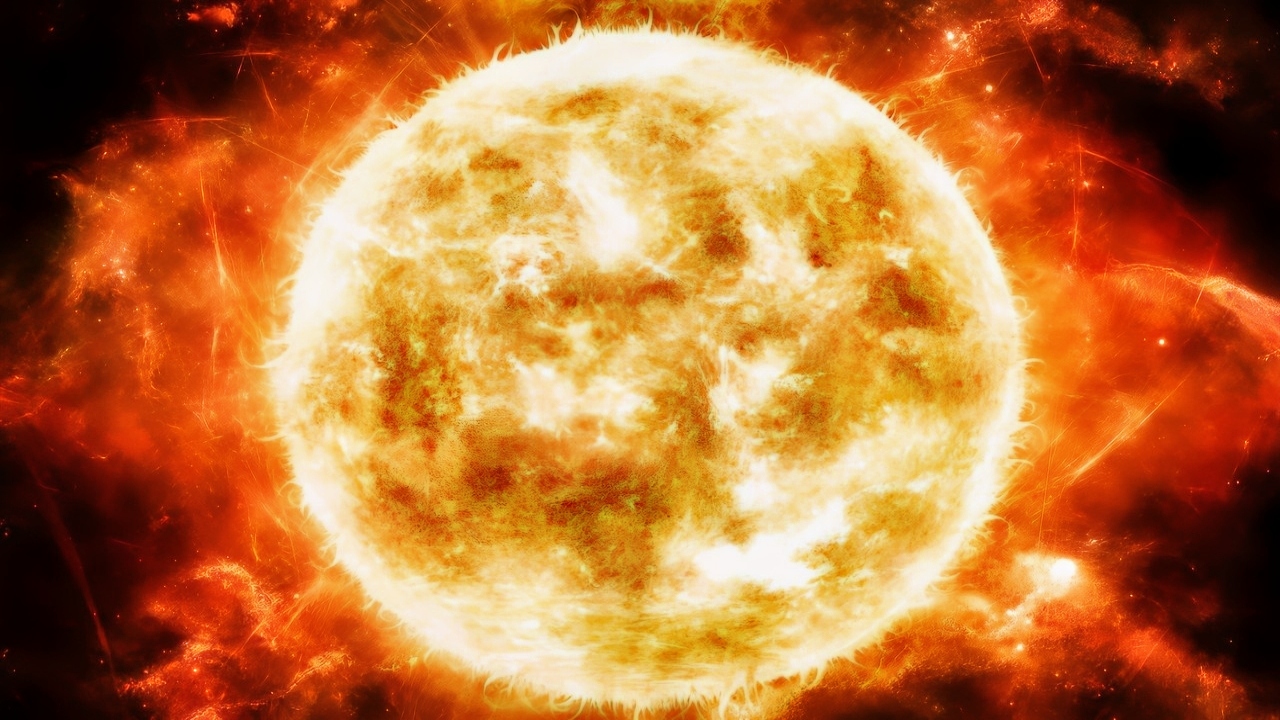
People think Earth dies when the Sun becomes a red giant in five billion years — the more likely end is a billion years from now, when a star already 30 percent brighter than at birth pushes CO₂ too low for C3 plants, then a moist greenhouse strips the oceans of hydrogen and leaves a sterile Venus

People think Earth dies when the Sun becomes a red giant in five billion years — the more likely end is a billion years from now, when a star already 30 percent brighter than at birth pushes CO₂ too low for C3 plants, then a moist greenhouse strips the oceans of hydrogen and leaves a sterile Venus

The Sun is approximately 4.6 billion years old and is about halfway through its main sequence lifespan. The popular conception holds that the destruction of the Earth will occur when the Sun becomes a red giant in about 5,000,000,000 years, but the Earth may become uninhabitable billions of years earlier, not due to a sudden … Read more

World’s first zero-degradation elastocaloric cooling device unveiled

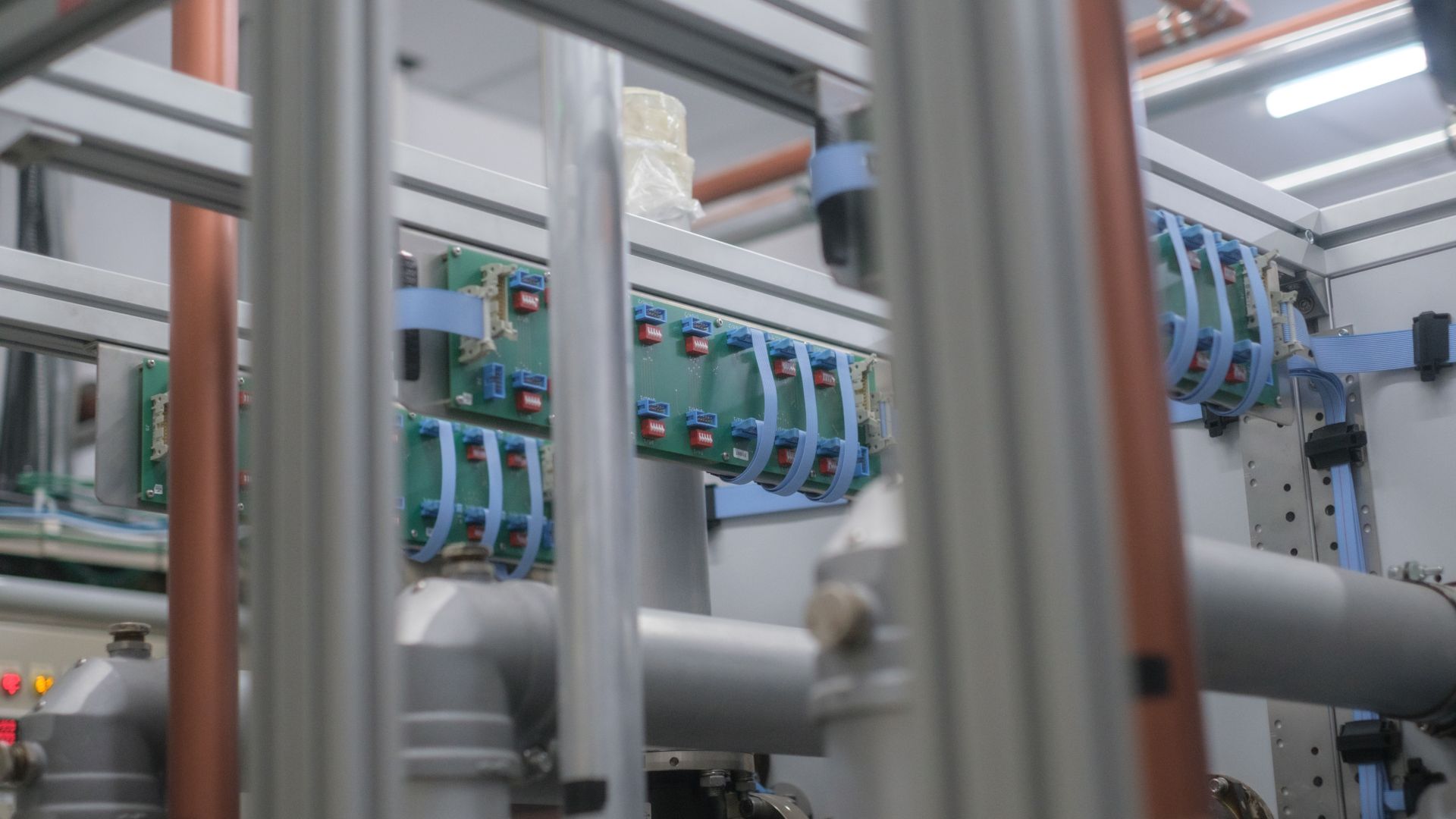
World’s first zero-degradation elastocaloric cooling device unveiled

Researchers from the Hong Kong University of Science and Technology (HKUST) have unveiled the world’s first zero-degradation elastocaloric cooling device. The team claims their innovation delivers long-lasting, eco-friendly cooling, maintaining stable performance even over an impressive one million operating cycles. Powered by a fatigue-resistant solid-state coolant, this innovation is expected to usher in highly efficient … Read more

Meet Alexander Du, the 17-year-old Sewickley student who built $170 AI-powered glasses to help visually impaired users navigate after his grandmother lost her sight

Meet Alexander Du, the 17-year-old Sewickley student who built $170 AI-powered glasses to help visually impaired users navigate after his grandmother lost her sight

Alexander Du, a 17-year-old student from Sewickley, Pennsylvania, has been named the 2026 Presidential AI Challenge National Champion for inventing IRIS, an AI-powered wearable device designed to help blind and visually impaired people navigate their environment. The teen built the $170 system after watching his grandmother struggle to navigate the world differently after losing her … Read more

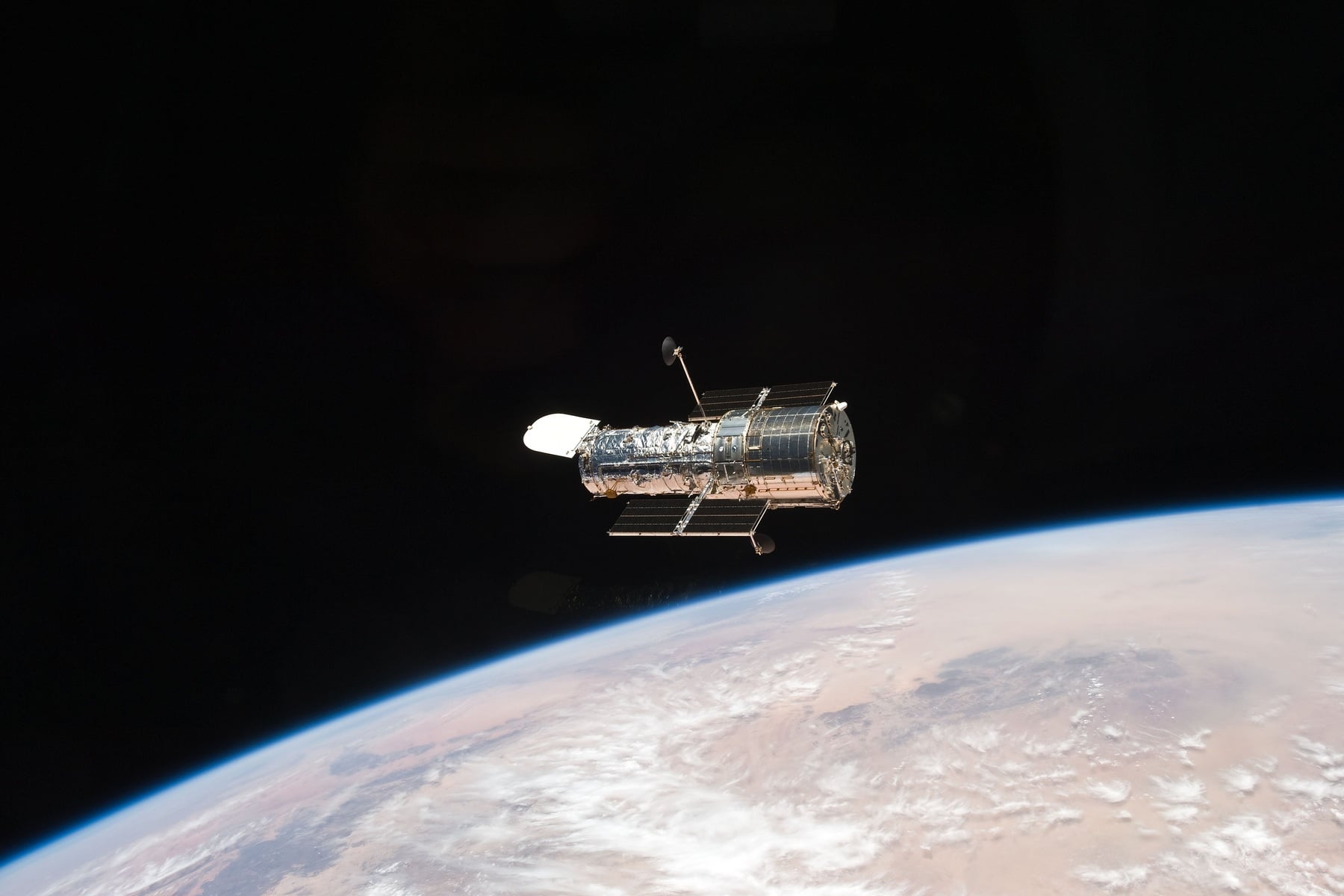
When Hubble swings from one galaxy to another, engineers fire no thrusters—Hubble has none. They change the speeds of four internal reaction wheels, making the observatory rotate the opposite way, while magnetic bars push against Earth’s field to bleed off excess momentum: a propellant-free steering system used since 1990.

When Hubble swings from one galaxy to another, engineers fire no thrusters—Hubble has none. They change the speeds of four internal reaction wheels, making the observatory rotate the opposite way, while magnetic bars push against Earth’s field to bleed off excess momentum: a propellant-free steering system used since 1990.

When the Hubble Space Telescope finishes observing one galaxy and turns toward another, nothing shoots into space. There is no hydrazine cloud or small rocket hiding behind the solar panels. The maneuver begins with electric motors that change the speed of the metal wheels inside the observatory. This is not simply a fuel saving technique. … Read more

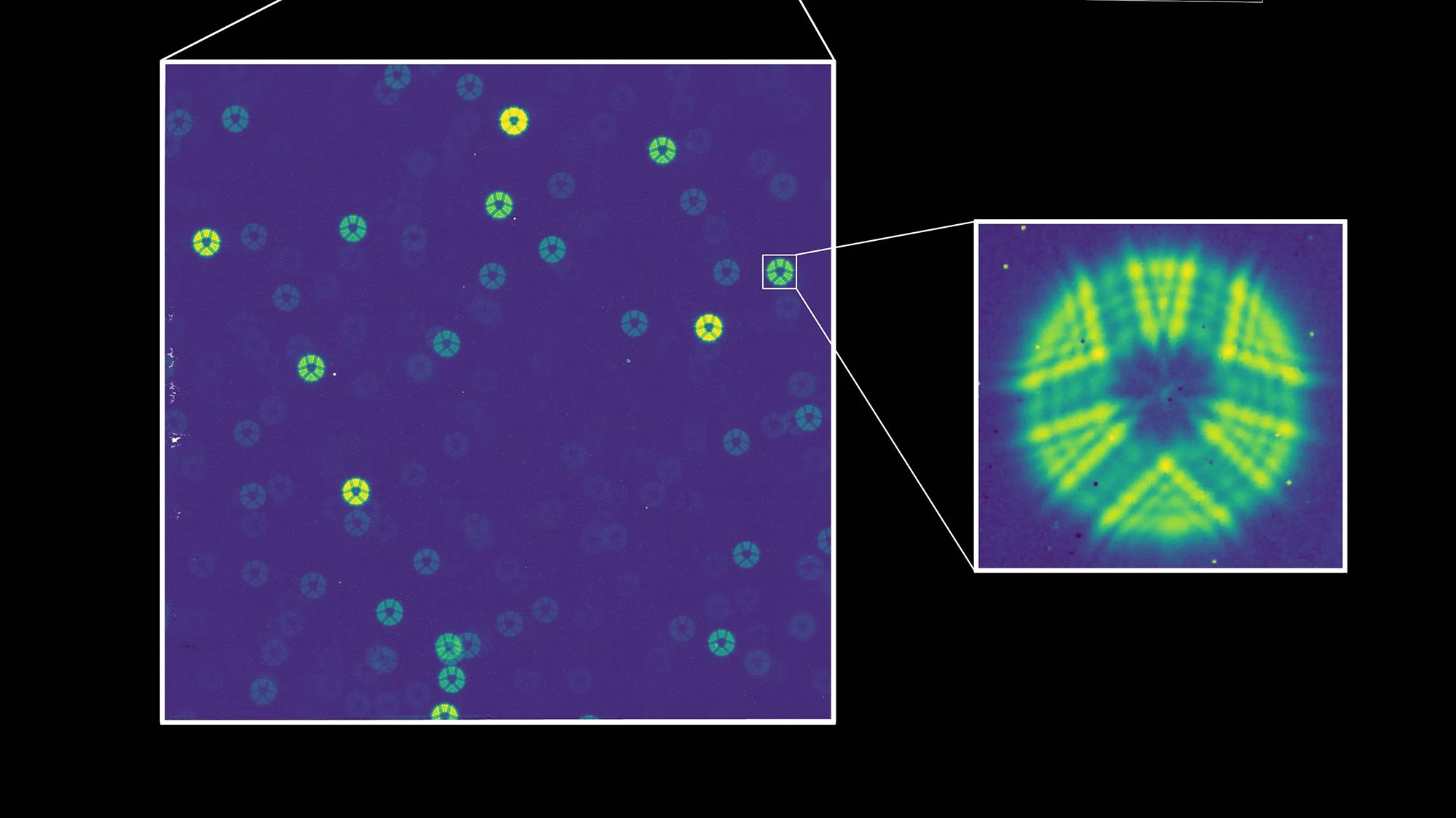
‘On our way to groundbreaking science’: Stars turn neon-green in first test image from NASA’s Nancy Grace Roman Space Telescope

'On our way to groundbreaking science': Stars turn neon-green in first test image from NASA's Nancy Grace Roman Space Telescope

Roman’s first test image shows hundreds of stars as green rings of light. After a few more months of adjustment, it will capture images as sharp as Hubble’s but 100 times larger. (Image credit: NASA Goddard Space Flight Center, Tyler Desjardins (STScI)) Quick Facts What it is: Hundreds of stars, captured in the first Nancy … Read more