Crocodiles Evolved Backwards From Warm-Blooded Species to Cold-Blooded Killers

Crocodiles Evolved Backwards From Warm-Blooded Species to Cold-Blooded Killers

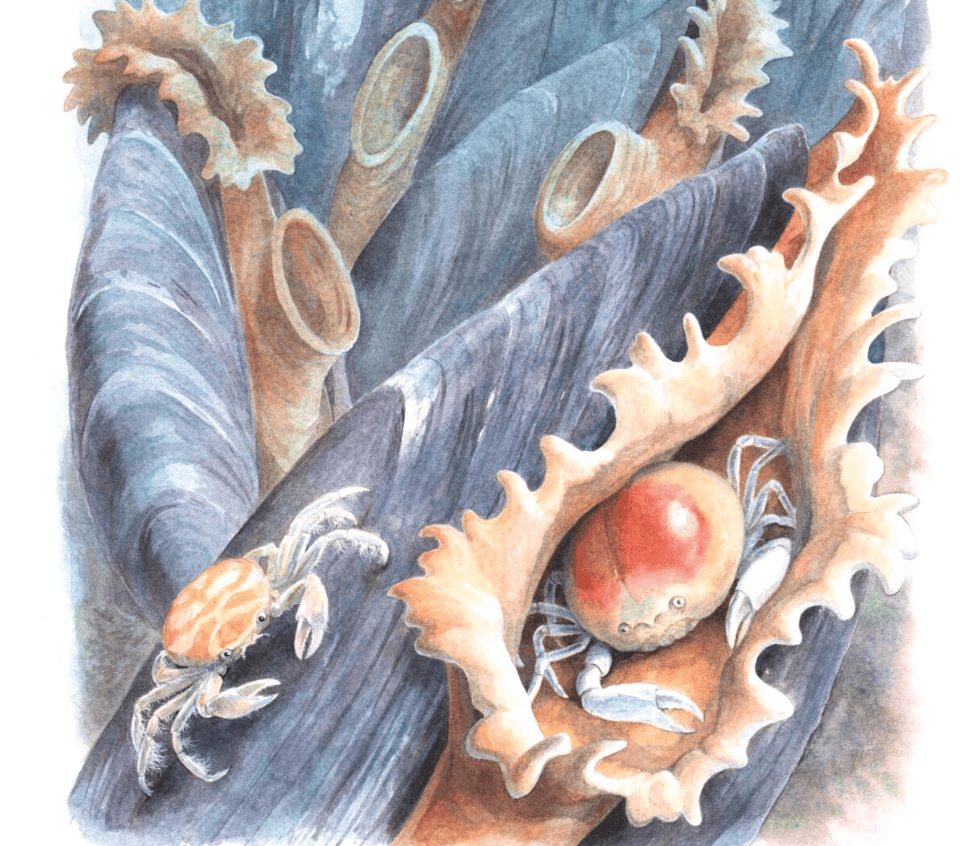
Despite an incredible number of visible differences, modern-day crocodiles and birds share a common ancestor dating back to the Early Triassic. Paleontologists call them archosaurs: a hardy clade of reptiles that endured through the sulfurous, inhospitable years of the Great Dying that followed the Permian-Triassic extinction about 250 million years ago. Scientists had long assumed … Read more

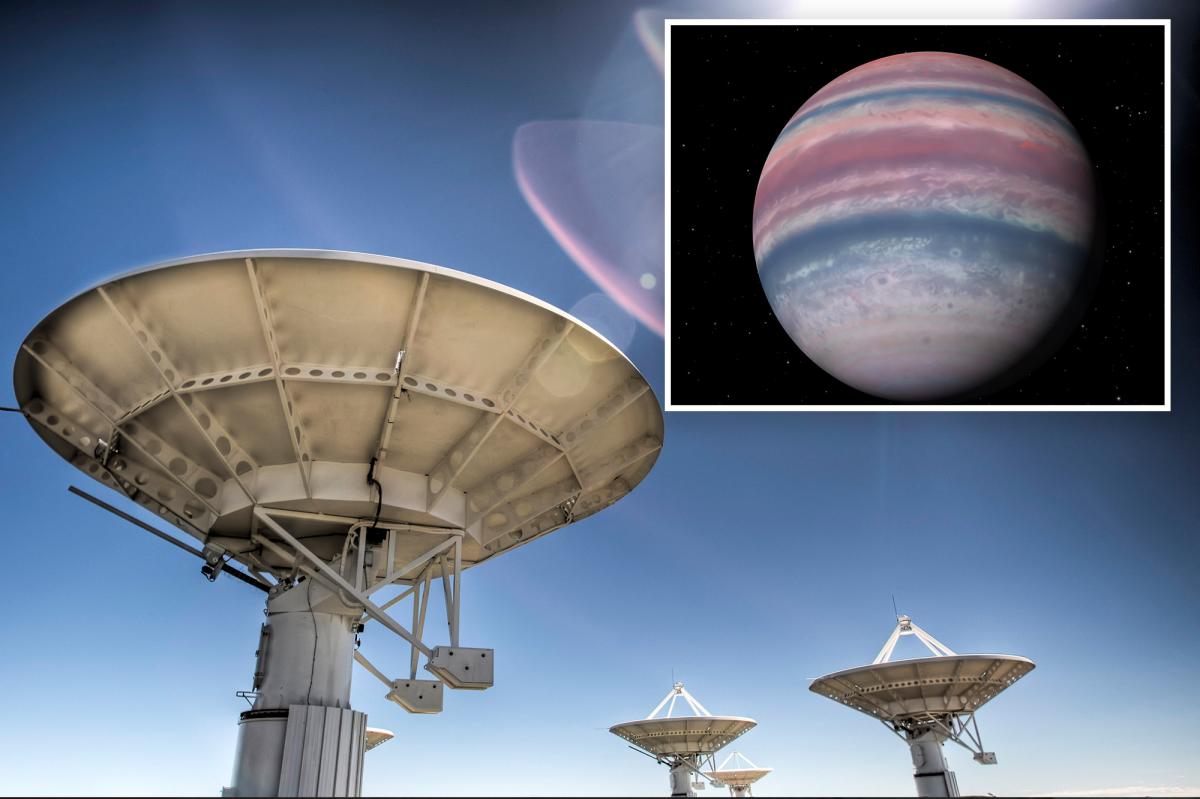
A planet called WASP-127b, roughly 520 light-years from Earth, has a jet stream ripping around its equator at up to 33,000 km/h — more than 18 times faster than Neptune’s winds, the fastest found anywhere in our own Solar System.

A planet called WASP-127b, roughly 520 light-years from Earth, has a jet stream ripping around its equator at up to 33,000 km/h — more than 18 times faster than Neptune's winds, the fastest found anywhere in our own Solar System.

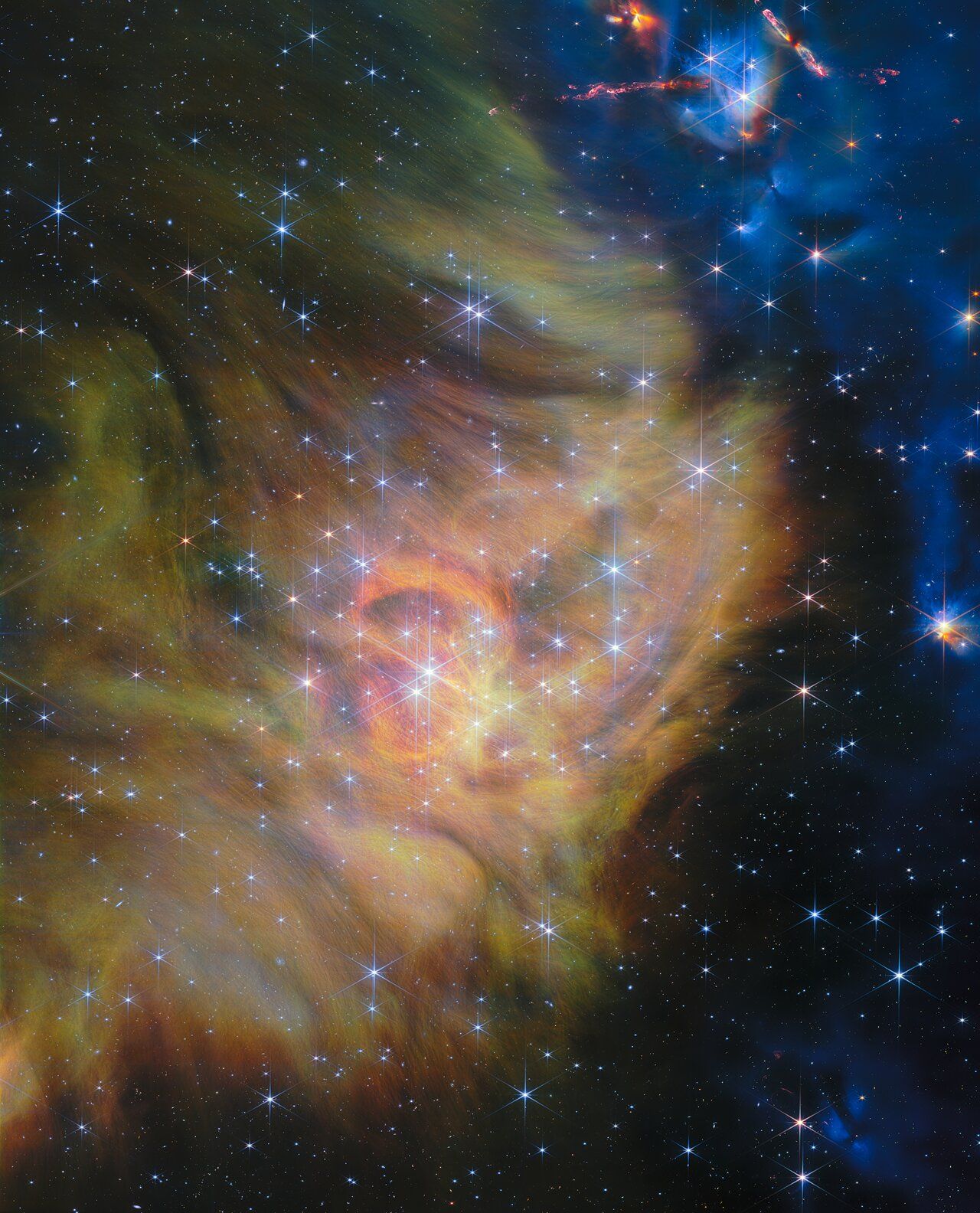
Astronomers have measured atmospheric motion around WASP-127b’s equator at about 9 kilometers per second, about 33,000 kilometers per hour. The giant exoplanet is approximately 520 light-years away, but its climate left a velocity signature precise enough to separate gas moving toward Earth from gas moving away. The result, obtained with the Very Large Telescope of … Read more

Titan was called an ocean world for more than fifteen years, but a reanalysis of Cassini’s radio tracking published in Nature has quietly taken the ocean away — the moon’s tidal response lags Saturn’s pull by about fifteen hours, which fits slush and small pockets of warm water rather than a global sea

Titan was called an ocean world for more than fifteen years, but a reanalysis of Cassini's radio tracking published in Nature has quietly taken the ocean away — the moon's tidal response lags Saturn's pull by about fifteen hours, which fits slush and small pockets of warm water rather than a global sea

For nearly two decades, scientists thought that Titan, Saturn’s largest moon, hid a global ocean of liquid water beneath its icy surface. A new study says the ocean probably isn’t there. Instead, Titan’s interior may be mostly slushy ice, with small pockets of warm water rather than a large sea. The story begins in 2008, … Read more

‘Earliest evidence’ of elephant butchery at Olduvai Gorge shared in new study

'Earliest evidence' of elephant butchery at Olduvai Gorge shared in new study

NEWYou can now listen to Fox News articles! Elephants are widely worshiped by many people today, but a recent study suggests that early humans slaughtered them for survival almost 2 million years ago. A group of international researchers found what they describe as “the earliest direct evidence of proboscidean butchery,” including a newly identified elephant … Read more

SpaceX rocket’s moon crash highlights ‘a tangible operational risk’ of lunar settlement

SpaceX rocket's moon crash highlights 'a tangible operational risk' of lunar settlement

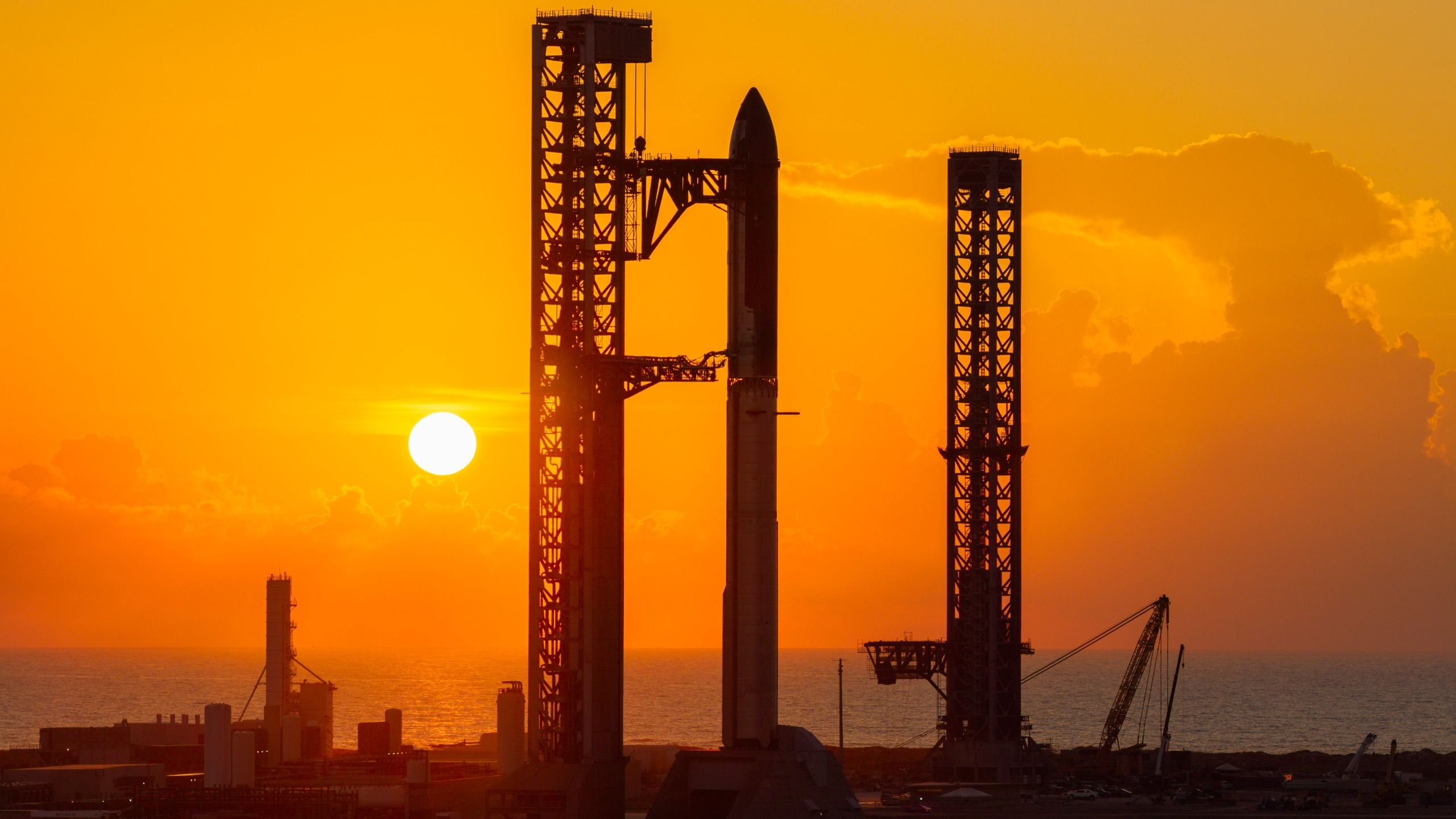
Moon dust has settled after the body of a 4.5-ton SpaceX rocket crashed into the terrain near Einstein Crater on August 5. That impact site was photographed by South Korea’s lunar-orbiting Danuri spacecraft, as well as NASA’s Lunar Reconnaissance Orbiter (LRO). A Chinese commercial space debris monitoring satellite also reportedly tracked and recorded the 5,400 … Read more