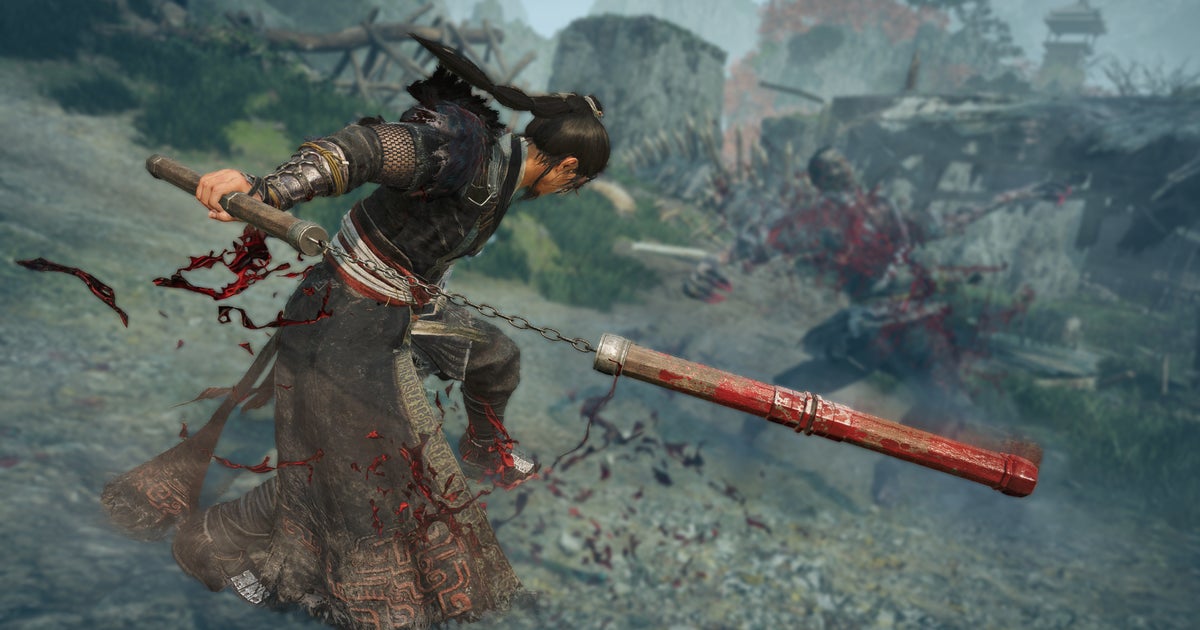
The original Wo Long is an overlooked gem. Fast-paced, brutal, and compelling, the game made a name for itself among action RPG fans due to its key gimmick: that basically all attacks could be deflected. While some criticized this for making the game “repetitive”, I thought it was interesting and well-executed enough to last a full playtime. Augmented by a boost mechanic that repurposed stamina for fast-paced fights and an even best-in-class “morale” system that encouraged exploration and completionism, Wo Long has a permanent place on my hard drive. Wo Long 2: Wings of Ember Developer: Team Ninja Publisher: Koei Tecmo Platform: Launching on Xbox Series It’s now my most anticipated game of 2027. The original game played it safe and stayed close to the solid foundation Team Ninja built with Nioh and Nioh 2. The combat was grounded (or as grounded as you’ll get in a fantasy game about Han dynasty-era demons) and clearly grew out of Nioh’s obsession with bushido and the contrast between movement and stillness. Wo Long, as a series, was always supposed to be more concerned with Chinese martial arts. The second game is much more successful with this, I think mainly because Team Ninja has the confidence to move away from those Nioh roots and experiment with more fluidity and verticality. Wo Long, and thanks for all the fists. Watch on YouTube And why is that? It’s for Ninja Gaiden. Wo Long 2: Wings of Ember was in development alongside Ninja Gaiden 4, and it shows. There is a “three-dimensionality” to this title that was missing from the first game. In Wo Long, I jumped into most encounters, mainly because the somewhat dumb AI didn’t see or hear me coming, and could deal a fatal blow. It was an instant victory. In Wo Long 2, however, you must use your air attacks; It is integrated into the entire combat system. Perhaps Team Ninja has internalized a lot of the criticism of the first game, because while you can still deflect most attacks, even trash enemies have special moves that must be dodged or countered, not just deflected. As a result, you have to be pretty dexterous with your hands, pressing the right combination of shoulder buttons and face buttons in a sort of unholy mix of Guitar Hero and Simon Says in order to survive even the most standard enemy. Hey, it keeps you focused. Unsurprisingly, then, the learning curve is much steeper than in the first Wo Long or Nioh, but the reward is also more sublime. For example, it’s important to learn which attack animations leave your enemies vulnerable to jumping moves before they can hurt you. Most enemies will glow red when they’re ready to attack you, and if you press a side button and jump on them at the same time, you’ll snap them out of the telegraph animation and deal stamina damage. You have to be fast and very close to achieve it, but the rewards are worth it. You can also hold R1/RB and press the parry button for what is effectively a “critical stop”, which has a shorter effective window but causes more resistance and health damage as a result. Basically, you use this when you have the timing of your opponent’s moves down to an art, finishing them off in spectacular style. Think Nioh 2’s ‘burst counter’ but with more utility, and you’re in the right area. See you later, goodbye, Auf Wiedersehen, good fight. The level design is also more open (more like Nioh 3’s semi-open world than anything else) and much more vertical than any other Team Ninja game I’ve played so far. This means that exploration is more varied, with flags scattered around the landscape to tease encounters and light platforming challenges to capture them, which actually feel pretty good, given the genre. Movement has been improved compared to the general “high gravity” feel of the first game. Everything the other in-house studios learned about Ninja Gaiden 4 is really on display here. So, we’ve covered my Nioh and Ninja Gaiden references in the headline, but where the hell does Dead or Alive come from? They are the weapons. Each weapon has the unique moveset you would expect from a character in a fighting game. That’s always been the case in the Team Ninja games, but it feels more distinctive in Wo Long 2, possibly due to the aerial chains and combos that modify basic, ground-only attacks. Equipping straight sabers, spears, staves, glaives, hammers, or articulated flails immediately makes you feel like you’re embodying a different character from a fighting game roster. With various martial arts abilities (per weapon) that can be equipped at will, you have more say over your ultimate playstyle than ever in Ninja Gaiden 4, although I still miss Nioh’s weapon variety and stance work; I just don’t think that system can be defeated. But in a game as singularly about forward momentum as Wo Long 2 is, six weapon classes are more than enough. You’re not so much focused on finding holes in defenses as much as destroying them completely, learning the cadence of dodging, jumping, parrying, and the level of aggression required by the enemy to break their guard and annihilate them. Jumping into a martial art move, spinning into a critical swerve, and then delivering a fatal blow to an enemy causes a chain-like pirouette that makes you feel like China’s deadliest ballet dancer. Wo Long: Fallen Dynasty was already a classic, in my opinion, weighed down only by the tendrils of influence that Nioh still held over the emerging franchise. But, with Wings of Ember, Team Ninja is clearly emboldened and in high morale, confident enough to take all the slightly obscured gems of the first game and place them front and center here. You can try it out for yourself in a demo that’s also available on Steam, PlayStation, and Xbox right now.