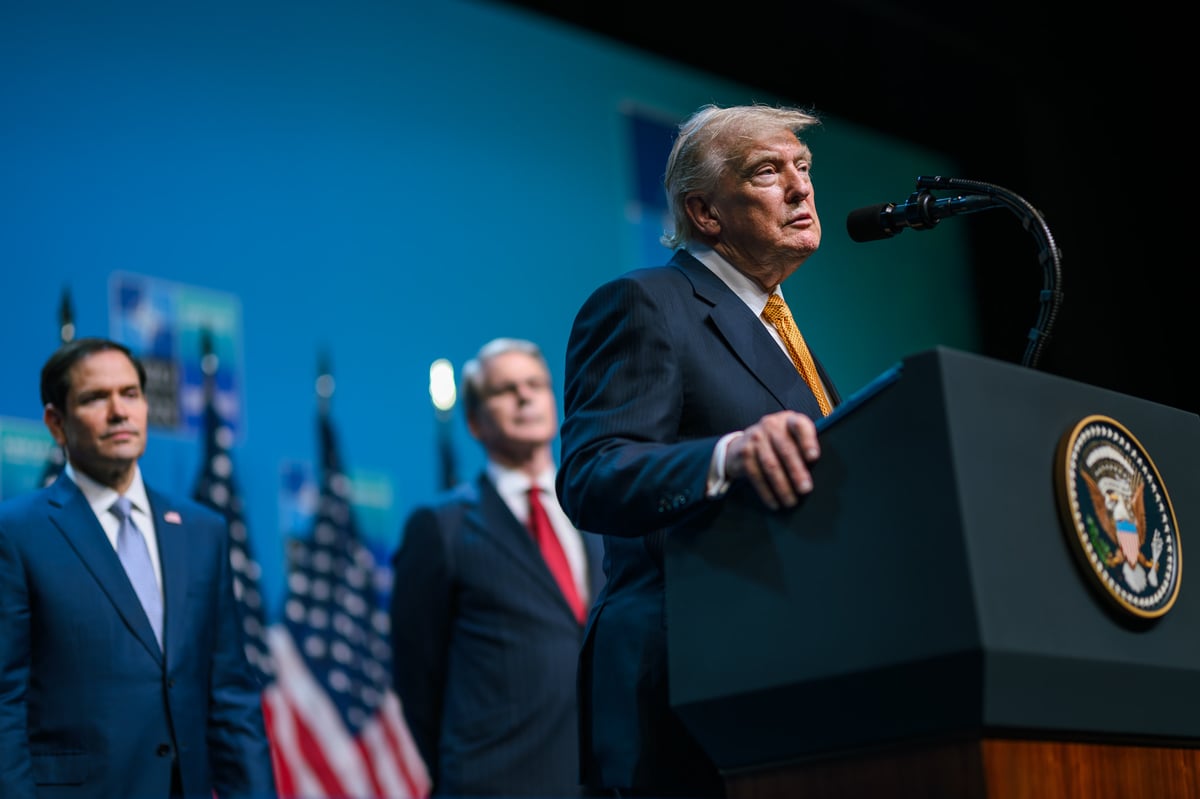
Love him or hate him, President Donald Trump’s time in the White House has historically correlated with strong stock market returns. In fact, the benchmark S&P 500 Index (^GSPC +0.31%) is up more than 39% since its takeover in late 2024, showing widespread optimism among many on Wall Street. So far, enthusiasm for his pro-business policies has helped investors overlook serious macroeconomic challenges such as tariffs, inflation and unsustainable deficit spending. Let’s dig in to see how much longer the honeymoon period could last and determine what effect recent medium-term results may have on near-term market performance. Today’s Change (0.31%) +23.13 Index Level 7,376.86 Key Data Points Day Range 7,369.55 – 7,444.2052 Week Range 6,316.91 – 7,844.52 Why Markets Historically Like Trump Like many Republican presidents, Trump has taken a largely pro-business stance, passing the One Big Beautiful Act Bill, which included tax cuts and deregulation. The administration has also taken a favorable tone toward new energy projects and data center construction, which is especially important for the U.S. tech sector, which is embarking on one of the largest infrastructure buildouts in history to support generative AI. That said, it’s increasingly clear that this industry is helping to prop up a lackluster stock market and (possibly) a struggling economy. According to CME Group, the information technology sector now accounts for a whopping 40% of the market capitalization of the S&P 500. This level of concentration is risky in itself. But it is also allowing Wall Street to ignore the growing scale of macroeconomic challenges in the United States. Trump Gives Devastating Warning to Savers Many of the biggest economic challenges arise from the administration’s deliberate policies. These include Trump’s tariffs, which have helped push the average US tax on all imports to around 9.6%, and the war in Iran, which has sent Brent crude prices up 55% since the beginning of the year. US inflation is now at 3.7%, well above the Federal Reserve’s 2% target, forcing the central bank to keep rates high to control consumer prices. This has also corresponded with soaring Treasury yields as investors grow nervous about the government’s ability to manage its $40 trillion in debt. Treasury bonds represent the risk-free rate in the economy. And when they rise, they can reduce investors’ appetite for risky growth stocks while increasing the cost of capital these companies need to expand. The Trump administration has no compelling strategy to fix these problems. In an October interview with Time magazine, Trump suggested that higher levels of inflation could help pay off the debt “very quickly.” The logic is that by devaluing the US currency, inflation will also devalue the national debt and make it easier to manage. These comments should be taken as a warning that the administration may be willing to maintain its current inflationary fiscal policies for years to come. Image source: Getty Images. What should investors do next? Inflation is one of the most devastating things for retirement investors and savers because it constantly erodes both savings and financial market returns. Even if you earn the S&P 500’s 10% average annual return, a 3.7% inflation rate brings your real rate of return to a much less impressive 6.3%. That being said, this is not the time to panic. Over the long term, the United States has demonstrated a remarkable ability to self-correct and recover from crises, and this time will likely be no exception. The recent midterm results could impose some checks and balances on the Iran war and some of the government’s more extreme spending plans (such as a proposed $1.5 trillion military budget), which could help calm the bond market and reduce inflation. Yes, the US economic situation remains uncertain, but there may be light at the end of the tunnel. Investors should also focus on diversifying their portfolios across a variety of asset classes to avoid being overly exposed to the downside risk of any particular asset class.