Spellbinds – The New York Times

Spellbinds - The New York Times

TUESDAY PUZZLE – This is a wonderful first grid from Bryan Kaproth-Gerecht. It’s packed with enough thematic elements to make for a great Sunday puzzle, but it’s presented with such finesse that the complexity of its construction may not hit you until the last minute, as was my experience. It’s also still a Fair Tuesday … Read more

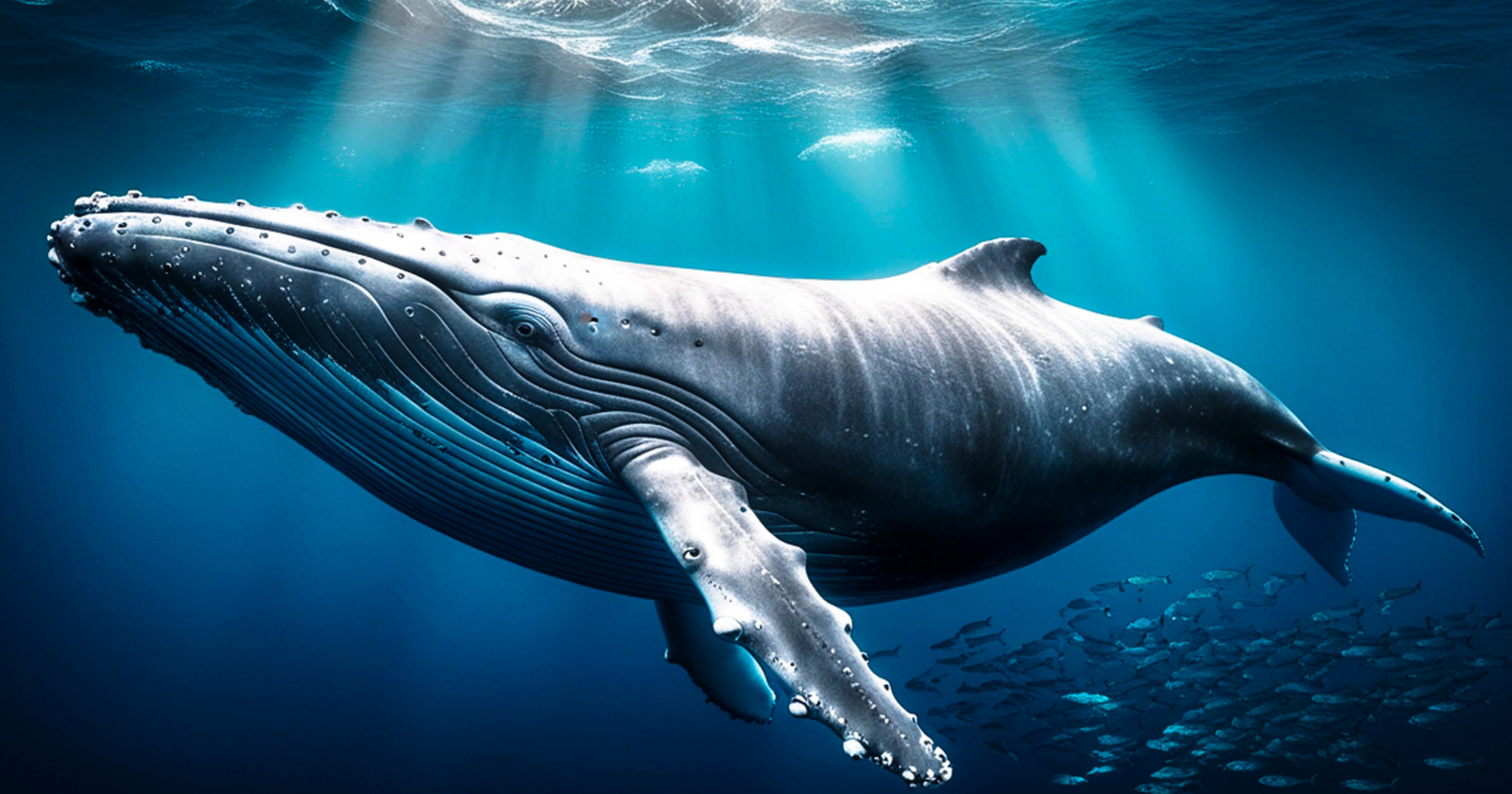
Humpback whales are interrupting orca hunts to rescue completely different species, swimming underneath a doomed seal and lifting it out of the water on their chest, or forming a wall between the killers and a grey whale calf, and scientists still can’t fully explain why they bother to save animals they have nothing to gain from

Humpback whales are interrupting orca hunts to rescue completely different species, swimming underneath a doomed seal and lifting it out of the water on their chest, or forming a wall between the killers and a grey whale calf, and scientists still can't fully explain why they bother to save animals they have nothing to gain from

It’s not a story anyone would have believed if it weren’t so thoroughly documented. A pod of orcas in Antarctica is chasing a Weddell seal that has taken refuge on a small ice floe. The killer whales swim shoulder to shoulder to create a wave that drags the seal from the ice to the water. … Read more

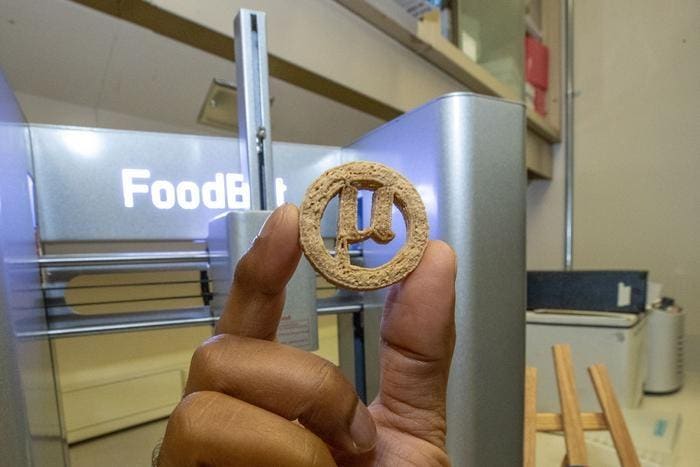
Here’s How Scientists Turned Plastic Bottles Into Nutritious Cookies

Here’s How Scientists Turned Plastic Bottles Into Nutritious Cookies

Topline Researchers at Southern Illinois University have engineered microbes that can break down discarded plastic bottles and crop waste and turn them into protein-rich cookies, a step-by-step biological transformation that could address the problems of plastic pollution, a looming global food crisis and help sustain deep space missions with humans on board. A cookie is … Read more

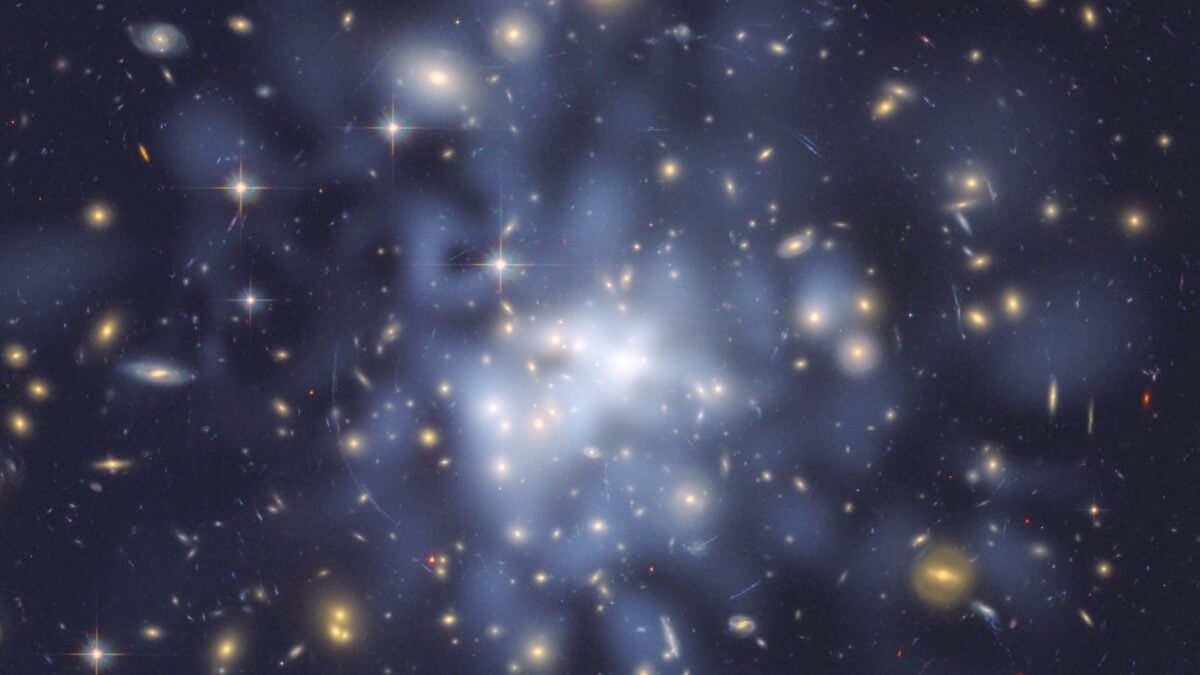
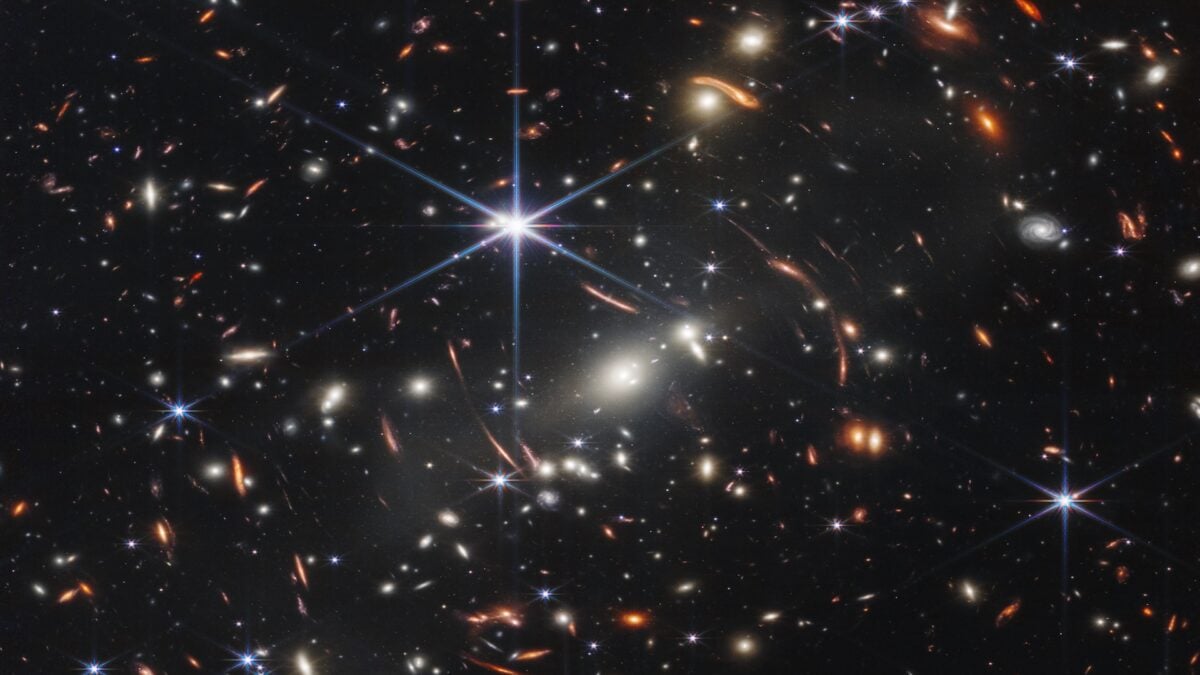
Hidden Stars Reveal the True Size of Ancient Galaxies in the Distant Universe, and It Isn’t What We Expected

Hidden Stars Reveal the True Size of Ancient Galaxies in the Distant Universe, and It Isn't What We Expected

The Webb Space Telescope has helped astronomers peer into the distant cosmos, revealing a population of galaxies that had reached their massive size just 500 million years after the Big Bang. A closer look at those ancient galaxies suggests they may be even larger than previously estimated, challenging current models of the early universe. In … Read more

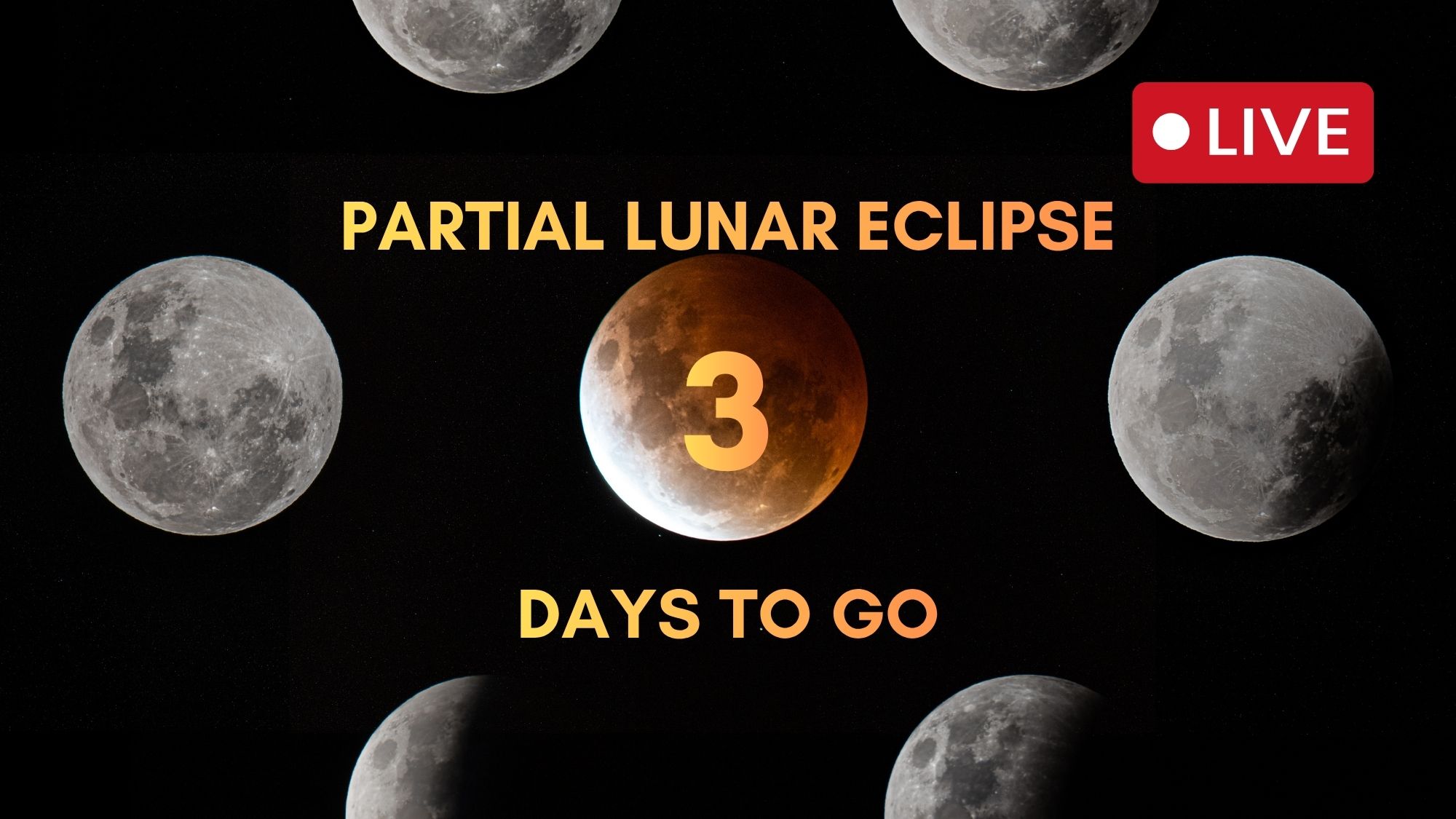
Partial lunar eclipse Aug. 27-28 live updates

Partial lunar eclipse Aug. 27-28 live updates

2026-08-24T12:45:01.991Z What will happen during each stage of the partial lunar eclipse? A partial lunar eclipse turns the moon red in the sky of Sri Lanka. (Image credit: Photo by Thilina Kaluthotage/NurPhoto via Getty Images) A ​​partial lunar eclipse has five distinct phases that occur simultaneously for everyone on the night side of the Earth … Read more

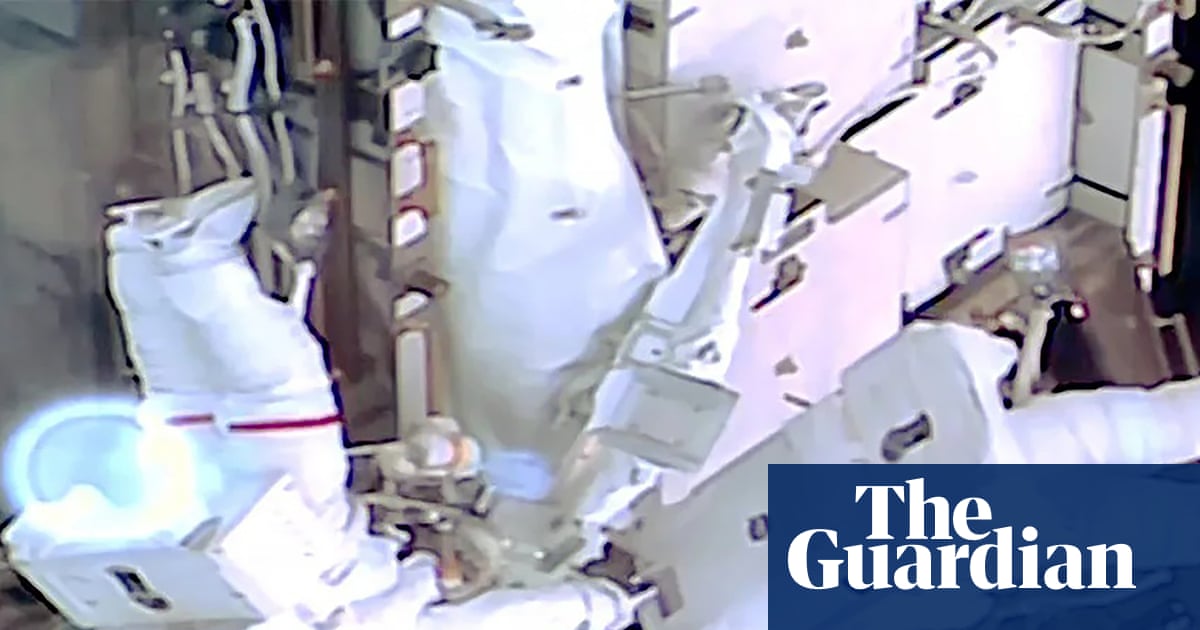
‘Cookies’ made from plastic may be on the menu for future astronauts | Food

‘Cookies’ made from plastic may be on the menu for future astronauts | Food

Cookies produced from recycled plastic may seem like something straight out of a dystopian sci-fi plot. But researchers say they have managed to create such a product as part of a NASA-funded project aimed at feeding astronauts on future space missions. The technology uses specially designed yeasts to transform plastics and agricultural waste into proteins, … Read more

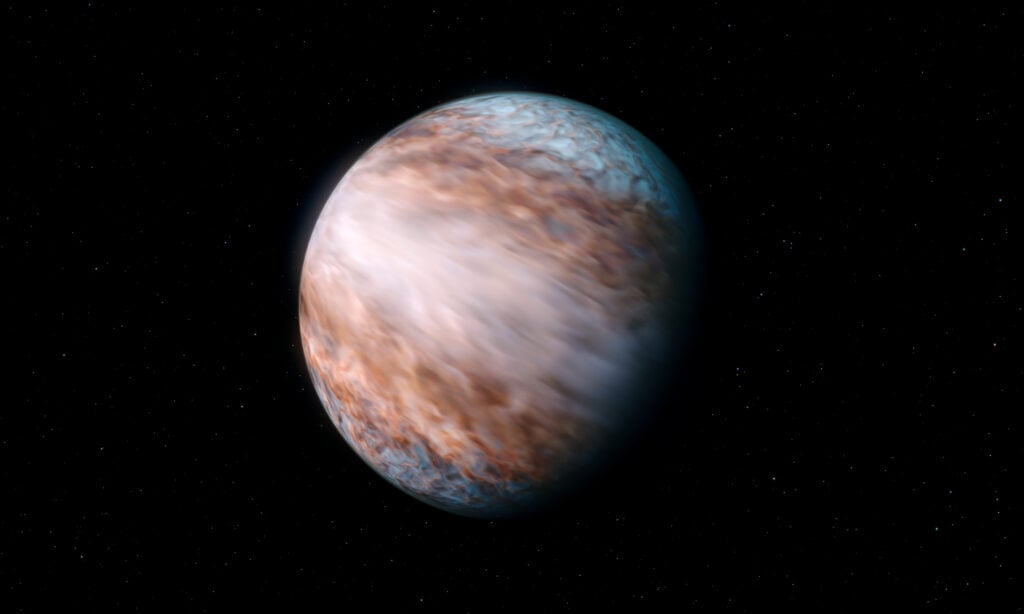
A gas giant 520 light-years away has equatorial atmospheric motion approaching 33,000 kilometres per hour—around 16 times Neptune’s fastest winds. When announced in January 2025, it was the fastest planetary jet stream yet measured, although an even faster one was reported on another exoplanet just a month later.

A planet called WASP-127b, roughly 520 light-years from Earth, has a jet stream ripping around its equator at up to 33,000 km/h — more than 18 times faster than Neptune's winds, the fastest found anywhere in our own Solar System.

For 28 days in early 2025, WASP-127b held one of planetary science’s most striking records. Atmospheric material around the equator of this distant gas giant was inferred to be moving at close to 9 kilometres per second, or approximately 33,000 kilometres per hour. That is around 16 times the strongest winds commonly quoted for Neptune, … Read more