One night in 1986, a peaceful lake in Cameroon released an invisible cloud of carbon dioxide that swept through nearby villages — killing people and animals in their sleep and revealing one of the rarest natural disasters on Earth.
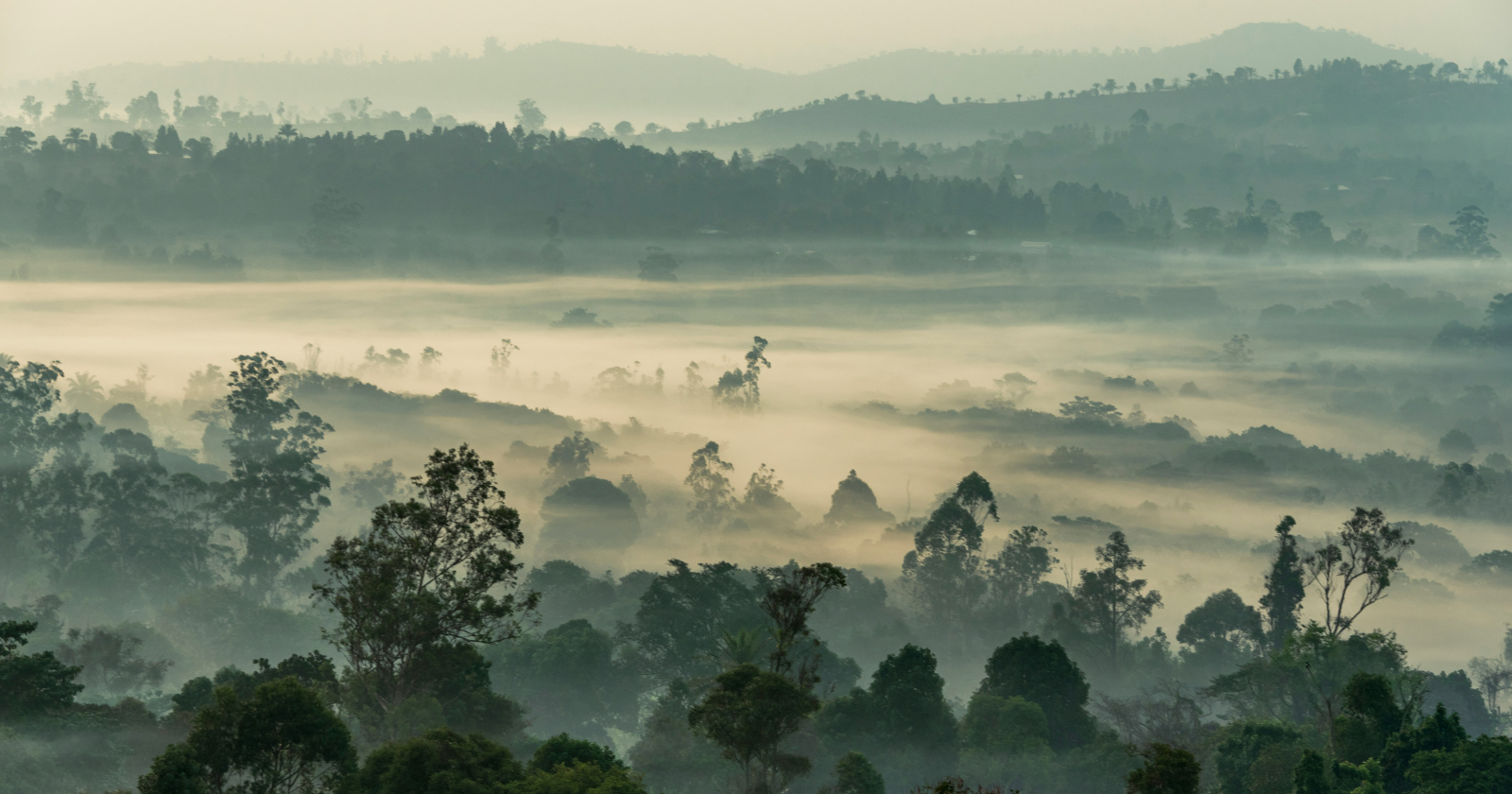
One night in 1986, a peaceful lake in Cameroon released an invisible cloud of carbon dioxide that swept through nearby villages — killing people and animals in their sleep and revealing one of the rarest natural disasters on Earth.

Imagine going to sleep in a quiet farming village, windows open to a warm August night, a lake sitting still in the valley below the way it had for as long as anyone could remember. Nothing announces itself. No tremor, no smell, no sound loud enough to wake a sleeping household. By morning, nearly everyone … Read more
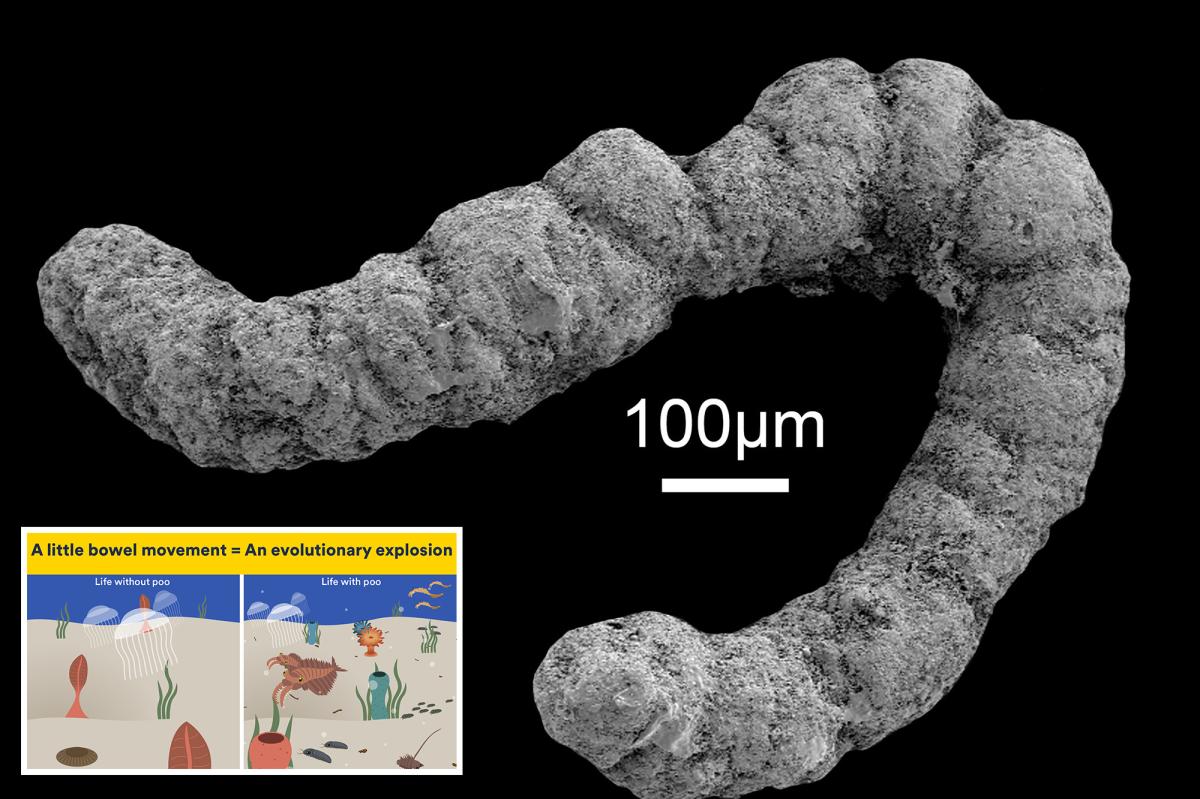
The answer to how life evolved on Earth lies in poop: Study

The answer to how life evolved on Earth lies in poop: Study

Is it the theory of evo-poo-tion? While poop may seem like a revolting subject, it could could also be responsible for life on earth thanks to a “fecal revolution” over half a billion years ago. This progression of man-ure was described in an excremental study published in the journal Trends in Ecology and Evolution. “Next … Read more

Where have all the long-spined black sea urchins gone?

Where have all the long-spined black sea urchins gone?

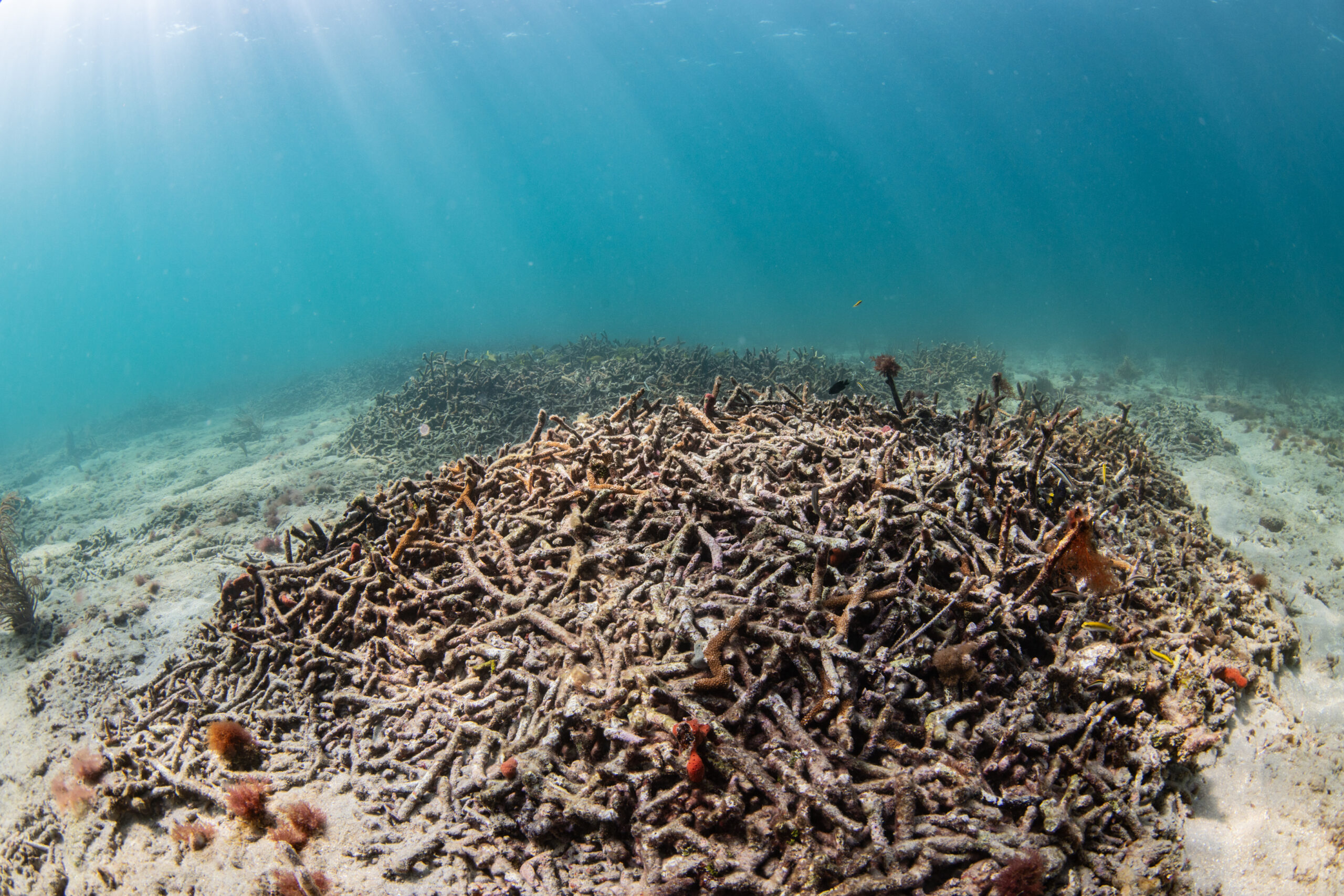
Words by Gary Rose MD FACS I’m sure that you’ve heard this phrase more than a few times over your years of diving: “You should have seen these reefs back in the day.” I’m guilty of saying It myself, many times over my past 52 years of being a certified SCUBA diver.  Over the years … Read more

New Troodontid Dinosaur Genus Identified from Fossil Bone Found Decades Ago in New Mexico

New Troodontid Dinosaur Genus Identified from Fossil Bone Found Decades Ago in New Mexico

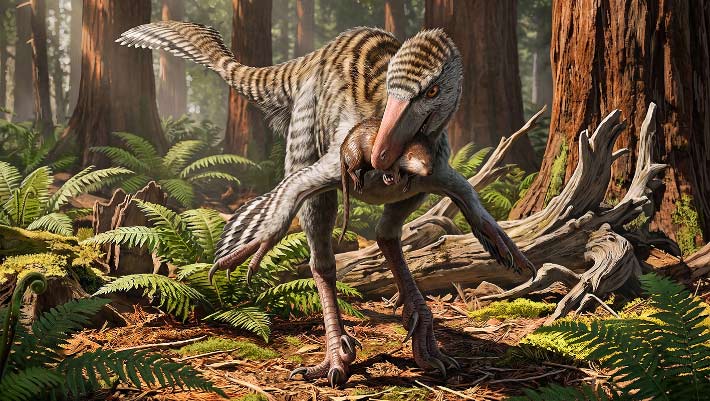
Paleontologists have described a new genus of small, bird-like dinosaur that lived in what is now New Mexico approximately 73 million years ago. Life reconstruction of Dinevenator robustus. Image credit: Sergey Krasovskiy. The newly described genus, Dinevenator, belongs to a family of bird-like predatory dinosaurs called Troodontidae. The genus is monospecific, containing only one valid … Read more

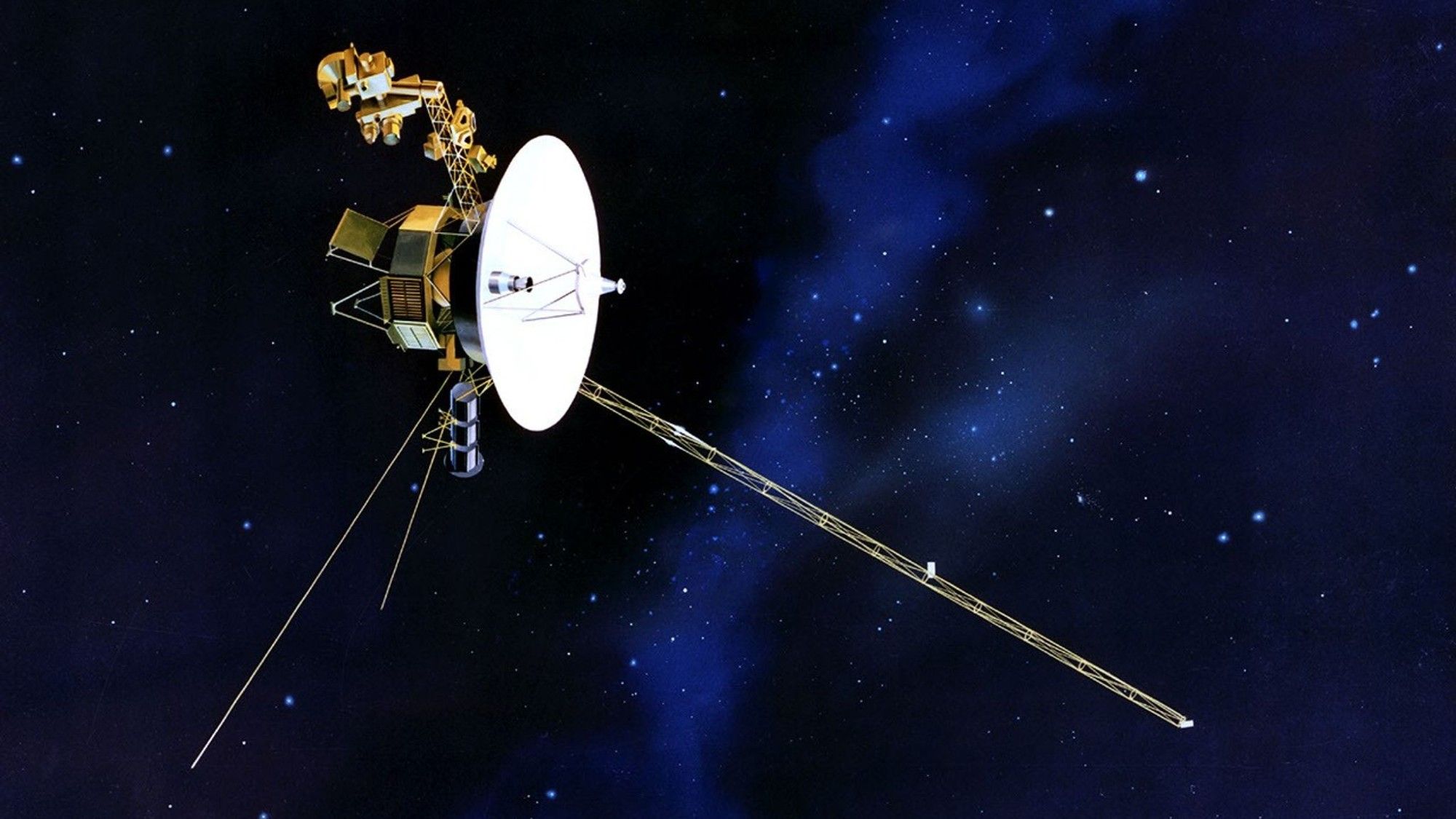
After twelve years and more than seven billion kilometres, Voyager 2 arrived at Neptune within 100 kilometres of where it had been aimed — a margin NASA compares to sinking a golf putt 3,630 kilometres long

After twelve years and more than seven billion kilometres, Voyager 2 arrived at Neptune within 100 kilometres of where it had been aimed — a margin NASA compares to sinking a golf putt 3,630 kilometres long

Picture a golfer lining up a putt. Now stretch the green until the hole is 3,630 kilometres away and ask the golfer to sink it. That is the image NASA reaches for to explain how accurately Voyager 2 arrived at Neptune. The spacecraft had flown for about twelve years and covered 7,128,603,456 kilometres, and it … Read more

Inside the mystery of the James Webb Space Telescope’s little red dots — and how they might be evolving

Inside the mystery of the James Webb Space Telescope's little red dots — and how they might be evolving

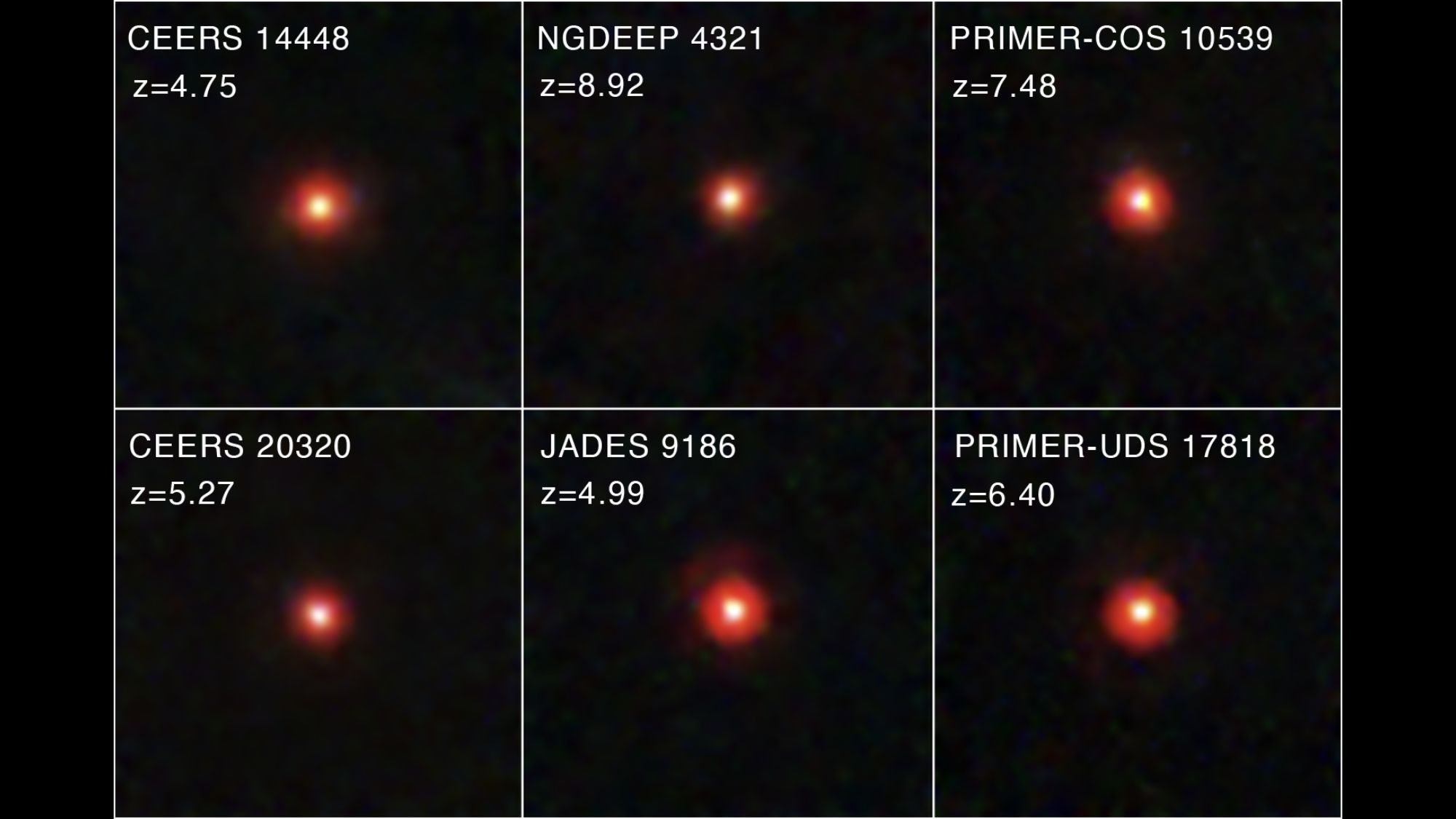
New evidence has come to light showing that the mysterious ‘little red dots’ discovered in the early universe by the James Webb Space Telescope could evolve into the active centers of fully formed galaxies.”Everything created in the early universe must evolve into something around us,” said George Rieke of the University of Arizona in a … Read more

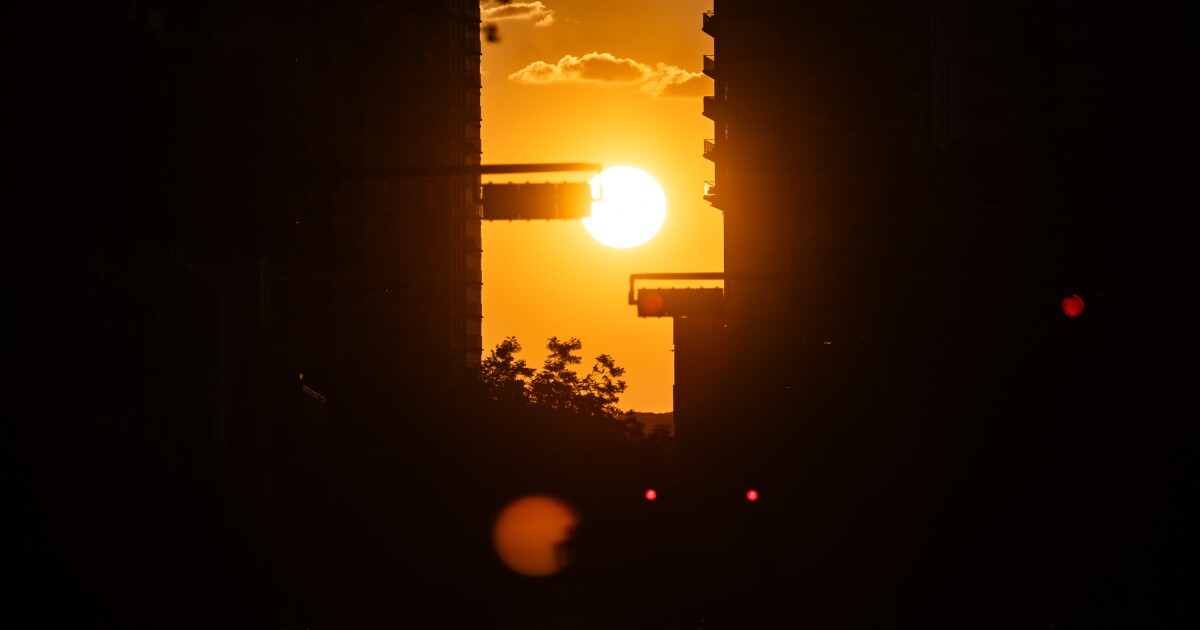
‘Austinhenge’ is back! See the twice annual sunset phenomenon

‘Austinhenge’ is back! See the twice annual sunset phenomenon

Certain times of year you may notice the sun’s position in the sky around sunset makes driving in Austin trickier. On these evenings, it will shine directly down some streets, creating a light tunnel of blinding intensity.The effect is disorienting but also magical. When the light lines up perfectly with the street, it can almost … Read more