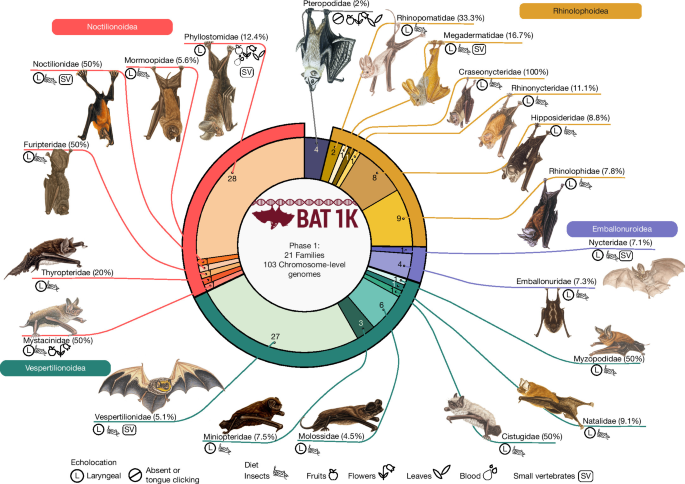
Reference genomes and fossils revise bat family phylogeny and biogeography

Reference genomes and fossils revise bat family phylogeny and biogeography

Senckenberg-Leibniz Institution for Biodiversity and Earth System Research, Senckenberganlage, Frankfurt, GermanyAriadna E. Morales, Evgeny V. Leushkin, Alexander Ben Hamadou, Alejandro Gonzales-Irribarren, Carola Greve, Leon Hilgers, Dimitrios-Georgios Kontopoulos, Shenglin Liu, Yury V. Malovichko, Tilman Schell & Michael HillerUniversity of Montpellier–CNRS–IRD, ISEM, Montpellier, FranceAriadna E. Morales & Sebastien J. PuechmailleTree of Life, Wellcome Sanger Institute, Hinxton, Cambridge, UKYan Liang  (梁妍), Eugene W. Myers, Mark Blaxter, Paul Davis, Matthieu Muffato, Guoying Qi & Emma C. TeelingDepartment of Ecology … Read more

The gene-regulatory evolution of the human skeleton

The gene-regulatory evolution of the human skeleton

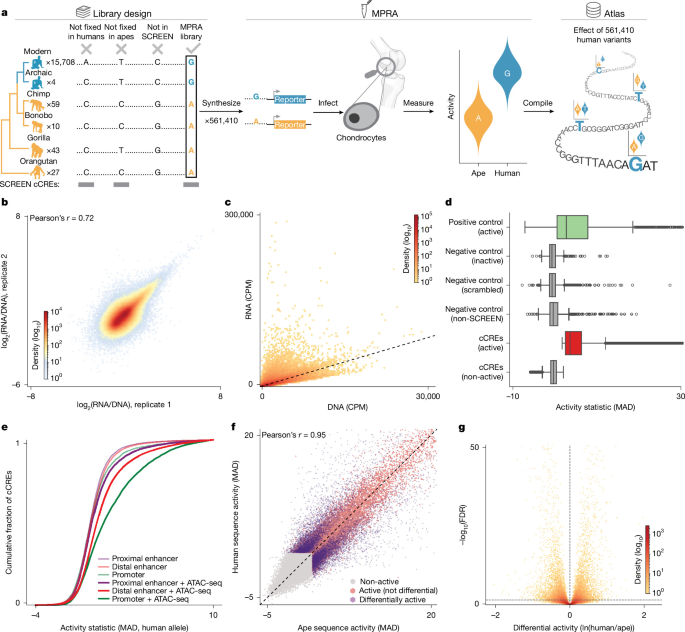
MPRA designLibrary designTo generate the catalogue of fixed human-derived substitutions we used genotyping data from 139 non-human great apes15,68,69,70,71 (10 bonobos, 59 chimpanzees, 43 gorillas and 27 orangutans), all mapped to the human reference genome GRCh37. To restrict the analysis to high-confidence genotypes, we excluded variants that did not meet any of the following criteria: … Read more

First known T. rex trackway reveals how the dinosaur moved

First known T. rex trackway reveals how the dinosaur moved

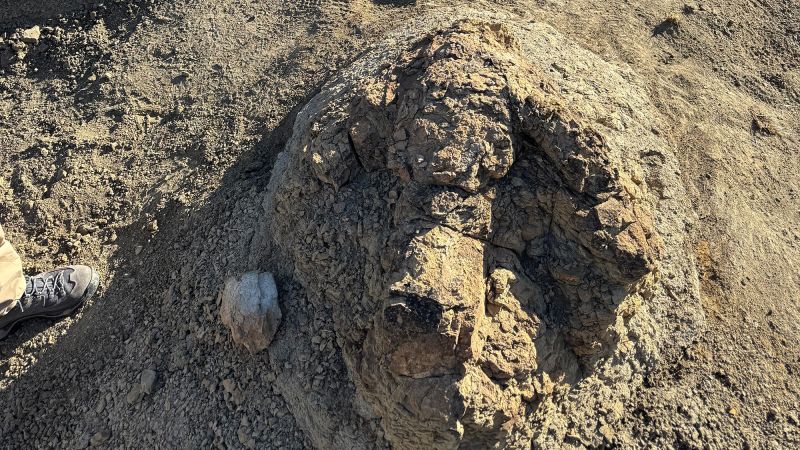
Kent Hups set out one morning on a research expedition into the famous Hell Creek Formation, a series of fossil-rich sedimentary rock layers in the western United States. The vast formation, spanning parts of Montana, Wyoming, North Dakota and South Dakota, is abundant with dinosaur bones from the Late Cretaceous, but finding footprints is a … Read more

Something Deep Inside Earth Keeps Messing With the Length of Our Days

Something Deep Inside Earth Keeps Messing With the Length of Our Days

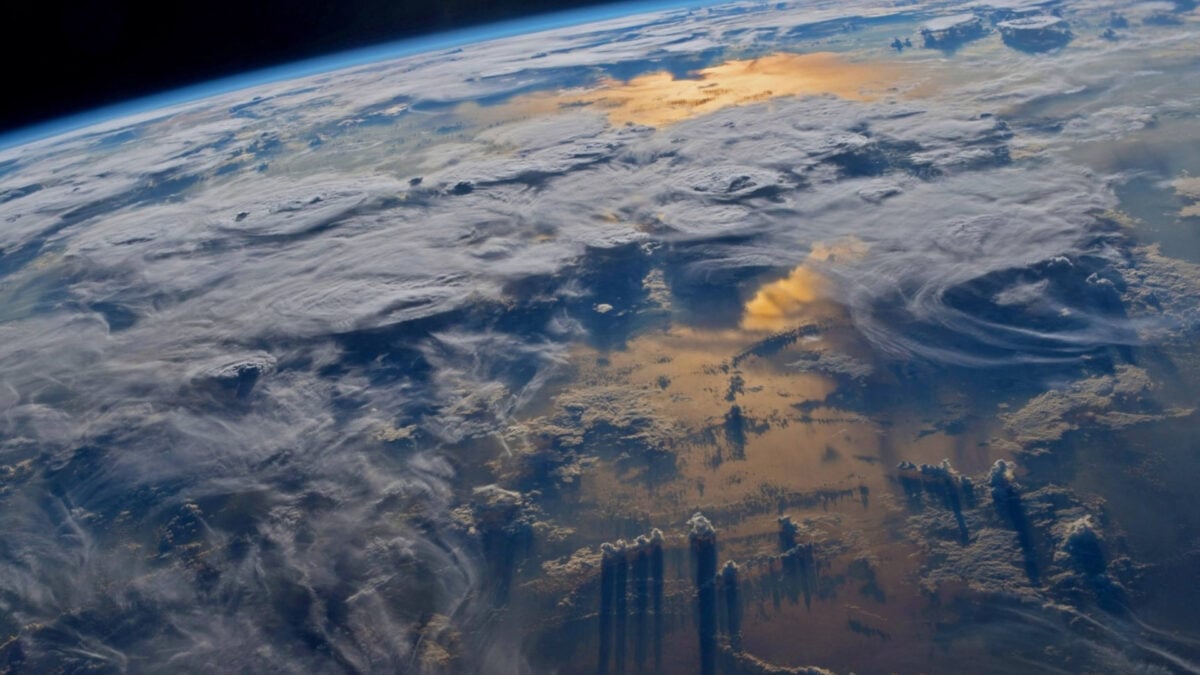
For practical purposes, we say that one day (the time it takes for the Earth to rotate once on its axis) is equivalent to 24 hours. In reality, different factors on different time scales influence how fast our planet spins, something scientists haven’t fully understood yet. But new findings, published today in Nature, may finally … Read more

Why Raindrops Make For Pretty Good Antennae

Why Raindrops Make For Pretty Good Antennae

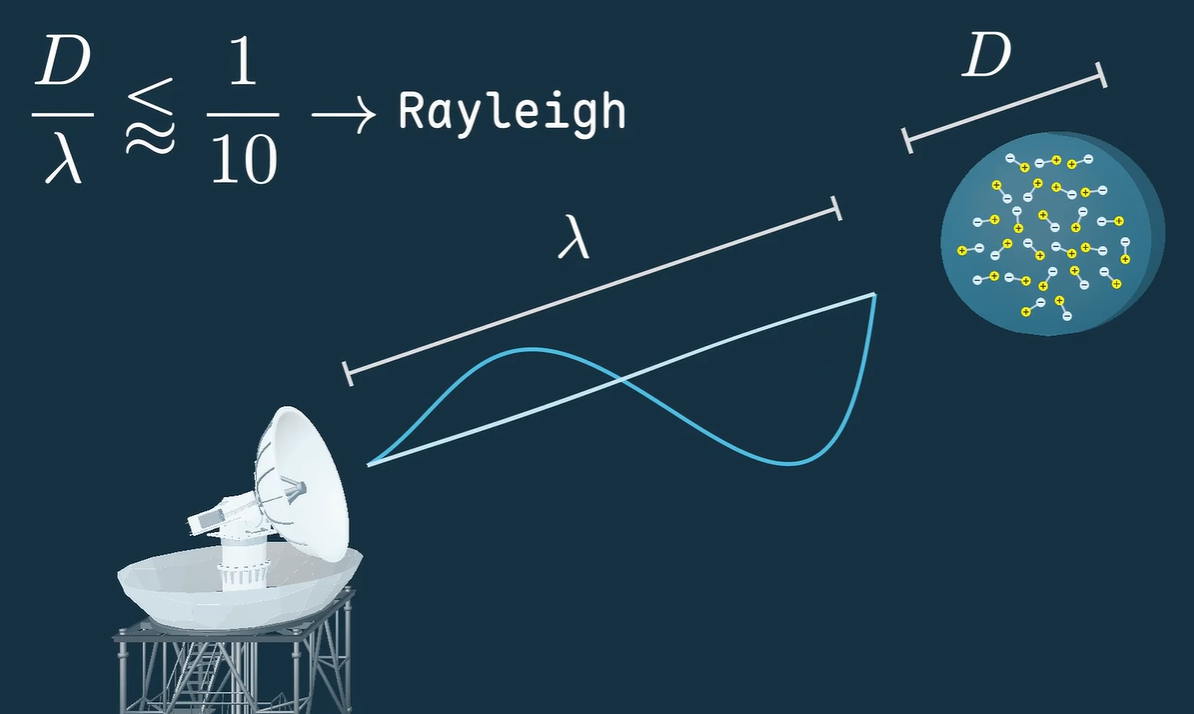
A good rule of thumb is that anything that can interact with electromagnetic (EM) radiation is an antenna, which includes our bodies, which contain mostly salt water, as well as raindrops and moisture in the air. This can be both a benefit and a curse, depending on whether you are trying to transmit a signal … Read more

The future of spacecraft windows: ‘We can’t just live in a box’

The future of spacecraft windows: 'We can't just live in a box'

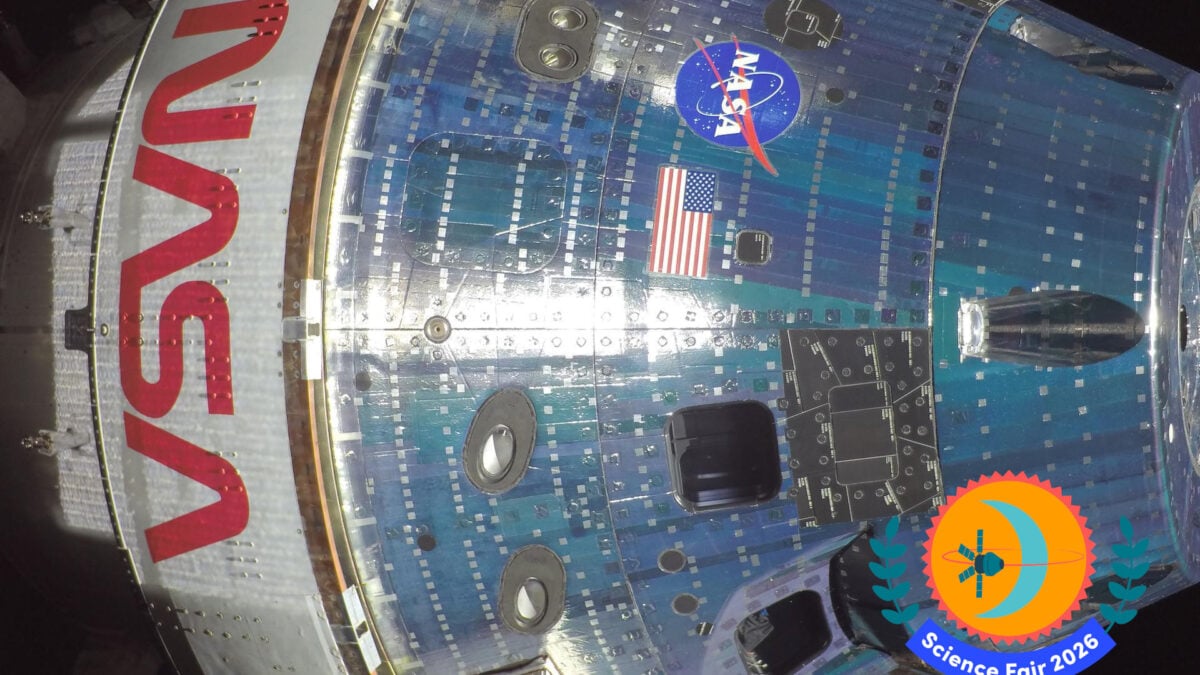
A quick spray of Windex is not necessary to get a clear view of this situation. There is a growing need for windows for space travelers, whether they are making suborbital jumps, staying in Earth’s orbit, or taking distant trips to the Moon and beyond. Flash back decades ago, when the first Mercury space capsule … Read more