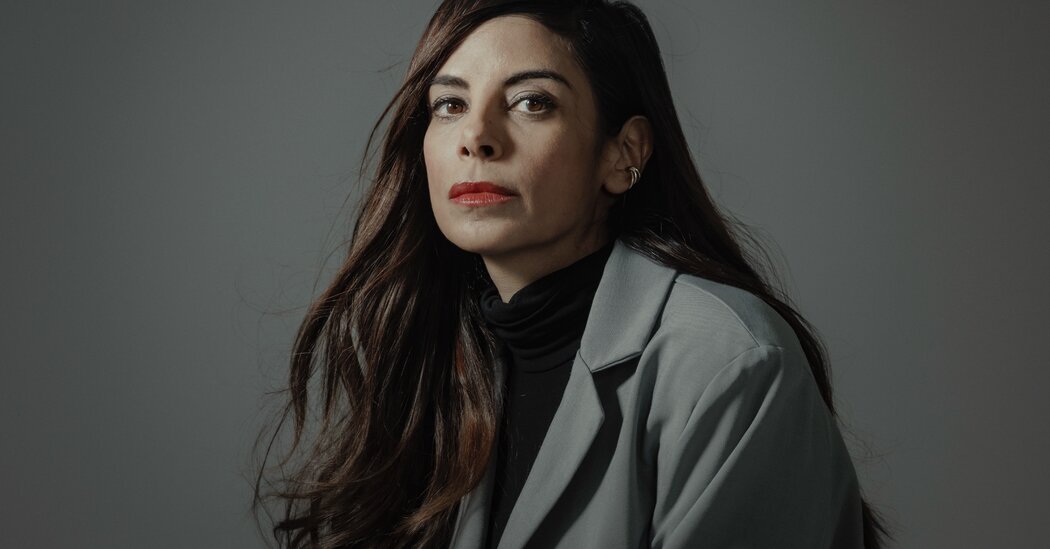
On the day the news broke, German Justice Minister Stephanie Hubig released her long-in-the-works proposal for legislation aimed at protecting victims of digital abuse. The legislation would criminalize the creation or distribution of sexually explicit images modified by AI without consent, a crime subject to two years in prison. It also called for tech platforms to reveal information about secret social media accounts so that the identities of offenders can be quickly revealed. Even deepfakes or impersonations that were not sexual in nature but caused reputational damage could be subject to prosecution under the legislation. Fernandes was pleased that MPs were paying attention, but the timing of the legislation’s announcement contributed to a powerful reaction. Commentators sympathetic to the AfD, Germany’s far-right populist party, along with anti-establishment actors, privacy activists and other critics, accuse Fernandes, in thousands of posts on X, of colluding with Hubig to try to undermine, for example, the right to anonymity online. Other commentators suggested, on social media or in the press, that the crowd’s madness was undermining the presumption of innocence, that women were overgeneralizing about all men as bad actors (“Discarding Toxic Femininity” was the headline of a story about Fernandes in a German magazine). Critics accused Fernandes of posing virtually naked anyway, of hating men, of seeking attention, and of being a bad mother. It is not uncommon for people who come forward with stories of sexual harassment or domestic violence to face a backlash in Germany, says Löffler, one of the Der Spiegel reporters who broke the Fernandes story and who has published notable #MeToo journalism. Until recently, detailed reports on allegations of domestic abuse or sexual harassment in Germany were rare and, when they appeared, they often provoked criticism from readers and commentators. “You may get comments like, ‘Why do I need to know about this private matter?’” he says. Only in recent years, Löffler explains, has there been greater recognition that writing about these issues is an important way to expose abuses of power. It’s not just a cultural norm that has often dampened this type of reporting in Germany. The German Constitution considers the right to dignity inviolable. There it is understood that this principle includes privacy and the right to “personality”, which is considered, in essence, the right to control one’s own image. Although the German Constitution also guarantees the right to freedom of expression, German courts are always weighing both concerns, which has had a notable effect on the way the German media operates. In the United States, a public figure seeking damages against a media outlet must prove that it published false information and also showed “actual malice” in doing so. In Germany, public figures can bring charges of “insult” even if the facts reported are accurate, and courts are often asked to assess whether a given news article is important enough to the public interest to justify exposing the personal details it includes.