-
Cooking asparagus and carrots in healthy fats helps your body absorb fat-soluble vitamins.
-
Cooked tomatoes and mushrooms have been shown to offer more disease-fighting antioxidants than raw ones.
-
Gentler cooking methods like steaming and lightly sautéing may lower the nutrients lost from cooking.
Raw vegetables are often praised for their nutritional value, but cooked vegetables can sometimes be more nutritious. Cooking doesn’t always lower antioxidants, vitamins, and minerals. In some cases, it may even increase their availability.
1. Asparagus
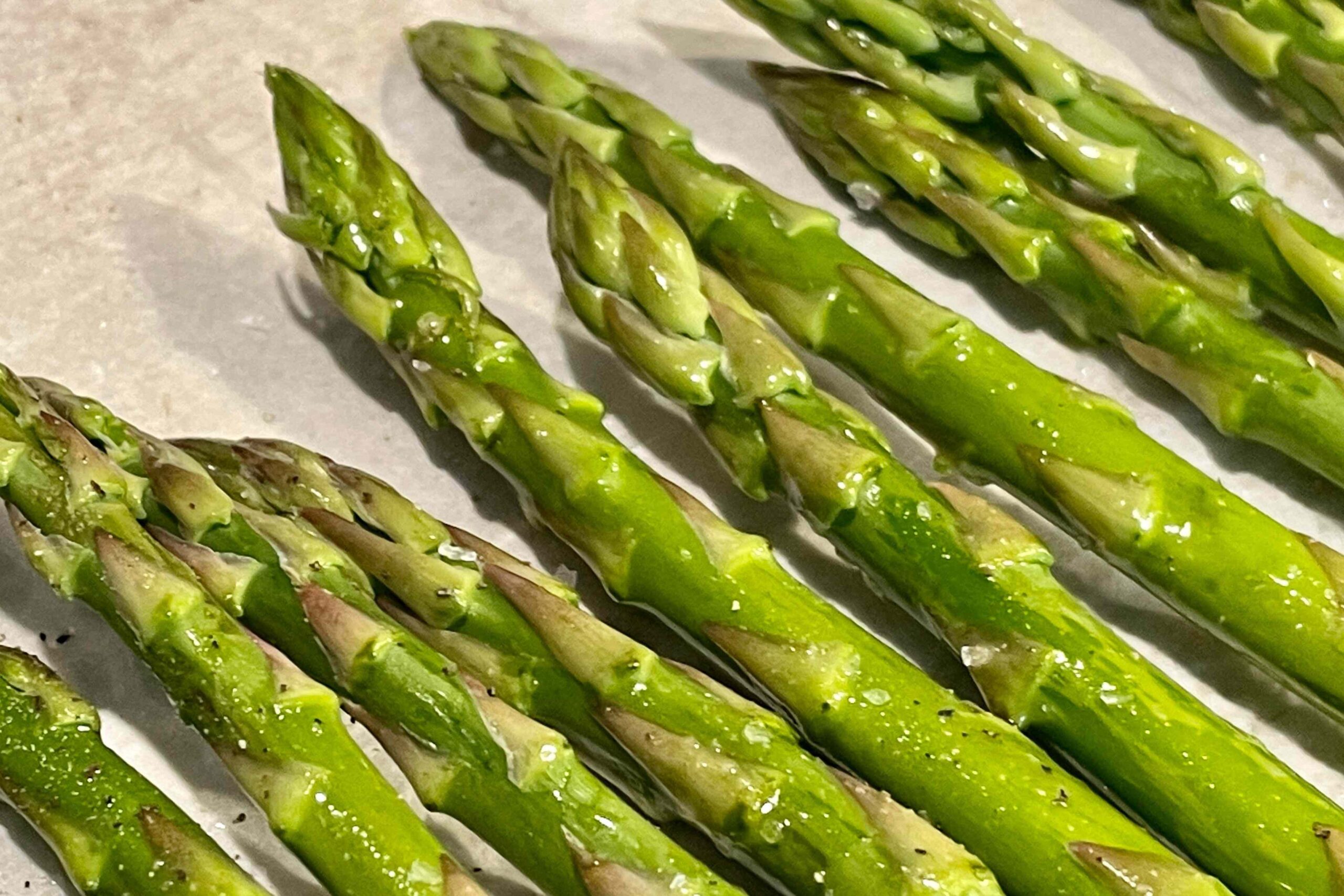
Cooking asparagus with oil may offer more antioxidants and fat-soluble vitamins.Credit: Nelea Reazanteva / Getty Images
Cooking asparagus softens it and breaks down its cell walls, which releases antioxidants like chlorogenic acid. Research suggests that cooked asparagus may offer higher levels of antioxidants than raw asparagus.
Many people cook asparagus with a little olive oil. The added fat helps your body absorb fat-soluble vitamins in asparagus, like vitamins E and K.
Note: To keep the most beneficial compounds and nutrients, choose gentler cooking methods. Good options include steaming or lightly sautéing.
2. Carrots
Cooking carrots can give you more beta-carotene, an antioxidant plant pigment.Credit: bhofack2 / Getty Images
Carrots are high in beta-carotene, a plant pigment with antioxidant properties. Your body converts beta-carotene into vitamin A, which supports healthy vision, immune function, and skin health.
Cooking has been shown to increase the amount of beta-carotene your body can absorb compared to eating raw carrots.
One study found that stir-fried carrots had about 75% beta-carotene available, while raw carrots had only about 11%. This is likely because cooking breaks down the carrot’s cell walls and because beta-carotene is fat-soluble.
Note: Your body absorbs carrots better when a source of fat is present, such as olive oil.
3. Tomatoes
Cooking tomatoes may help increase the lycopene, an antioxidant.Credit: AnnaPustynnikova / Getty Images
Cooking tomatoes increases the amount of lycopene, a powerful antioxidant that may help protect your heart and support healthy aging.
Cooked tomatoes also have less oxalic acid. This may be helpful for people who need to limit oxalates, such as those who are prone to kidney stones.
Note: Cooking does lower the vitamin C in tomatoes because vitamin C breaks down when it’s heated.
4. Mushrooms
Cooking mushrooms for a short time can improve their antioxidant content.Credit: LauriPatterson / Getty Images
Mushrooms are another vegetable that’s healthier when cooked. As with asparagus and tomatoes, cooking increases their antioxidant content.
One study found that cooking mushrooms for 15 minutes caused flavonoid levels to increase by around 811%. Flavonoids are antioxidants that may help reduce inflammation and protect the body over time.
Note: Quick cooking methods, such as steaming or microwaving, are most beneficial. Cooking them for too long may reduce some beneficial nutrients and lessen their health benefits.
5. Spinach
Steaming spinach can increase the beta-carotene availability.Credit: Максим Крысанов / Getty Images
Both raw and cooked spinach are nutrient-rich and offer many health benefits. However, like carrots, cooking can increase the amount of beta-carotene your body absorbs.
How you cook it makes a big difference. Boiling can lead to more antioxidant losses, while steaming helps your body absorb more beta-carotene.
Cooked spinach also appears to be higher in minerals like iron and calcium. Some research suggests this increase happens because minerals bind to compounds like oxalates, which keeps the minerals from being lost in cooking water.
Note: Even gentle cooking methods like steaming can reduce vitamin C by up to 60%.
How Can You Add Cooked Vegetables to Your Diet?
There are many simple ways to include more cooked vegetables in your meals. Using gentle cooking methods like steaming, microwaving, or lightly sautéing can help preserve nutrients.
Here are a few easy ideas:
-
Serve steamed asparagus or carrots for an easy side dish.
-
Stir spinach or kale into eggs, pasta, or soups.
-
Add sautéed mushrooms to salads, grain bowls, or steak.
-
Simmer tomatoes into sauces or use them in soups and stews.
-
Batch-prep a mix of sautéed vegetables to add to meals throughout the week.
Read the original article on Health