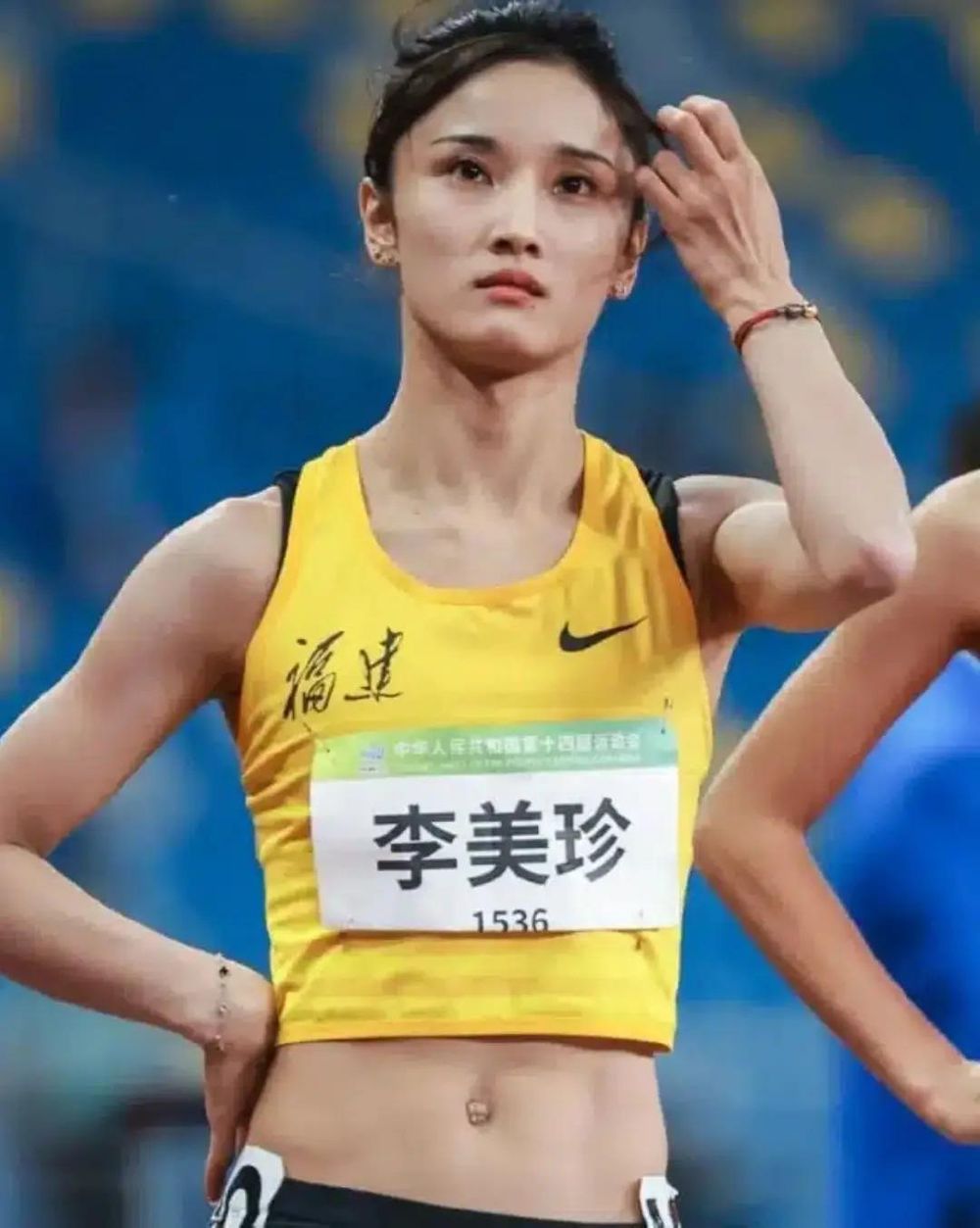
When video clips of Chinese distance runner Li Meizhen resurfaced on social media recently, the internet did what it does best: it divided into intense debate, generated wild rumours, and turned a pragmatic athletic decision into a global cultural moment.
The footage, originally captured at the 2024 Hengshui Lake Marathon, shows Meizhen pushing through the final kilometers of a 42-kilometer race with visible menstrual blood streaming down her legs.
For millions scrolling through Instagram and X, the image was shocking, inspiring or controversial. But for Meizhen, the choice was purely professional.
At the 34km mark, just 8km from the finish line, Meizhen felt her period start unexpectedly.
Cramps set in, and the reality of sudden menstruation in light-coloured running kit became unmissable.
To an outsider, stopping might have seemed like the obvious choice to avoid discomfort or public scrutiny. To a professional runner competing, quitting was out of the question.
“If I quit, this would mean I would have to run another marathon,” Meizhen later explained.
“It would have been a shame to withdraw from a championship race… I was determined to finish, even if my time wasn’t great.”
She crossed the line in 2 hours, 35 minutes and 7 seconds, placing 16th overall.
Beyond the viral noise
The recent revival of the footage brought both praise for her resilience and a wave of online misinformation, including absurd viral claims that she had collapsed or passed away during the event.
In reality, Meizhen remains very much alive and at the top of her game. Far from being sidelined by the incident, she went on to set a personal best of 2:25:06 in the marathon and a sub-70-minute half-marathon.
What makes Meizhen’s story continuously relevant isn’t just the shock value of the imagery; it’s how it exposes society’s residual discomfort with the female body doing what it naturally does.
Meizhen treating her period as just another obstacle on the course reframed menstruation from a secret embarrassment into a routine matter of athletic endurance.
5 myths about periods and exercise
1. Myth: Exercise during your period is dangerous or harmful.
Fact: Light-to-moderate exercise (and even intense competition, if your body feels up to it) can actually alleviate cramps and boost mood by releasing endorphins. Unless advised otherwise by a doctor, movement is completely safe.
2. Myth: Periods automatically ruin athletic performance.
Fact: Hormonal fluctuations affect everyone differently. While some athletes experience fatigue during menstruation, others set personal records during their period due to favourable hormone levels (like low progesterone) during the follicular phase.
3. Myth: Elite female athletes don’t get periods.
Fact: While intense training and low energy availability can lead to amenorrhea (the loss of a period), a missing period is a red flag for RED-S (Relative Energy Deficiency in Sport), not a sign of elite fitness. Regular menstruation indicates a healthy hormonal baseline.
4. Myth: Staining or visible period blood is a hygiene hazard.
Fact: Menstrual blood consists of mucosal tissue and blood; it is not toxic or inherently unhygienic. Staining during extreme endurance events is an accidental biological reality, no different than sweat or nosebleeds.
5. Myth: Pushing through period pain is required for all female athletes.
Fact: While Meizhen chose to finish her race, every body is different. Experiencing severe pain, dysmenorrhea, or dizziness is a valid reason to rest or seek medical advice. Finishing a race while bleeding is a personal choice, not a universal standard.
Meizhen’s viral race was never about seeking attention or making a point; it was about an athlete refusing to surrender months of training to an everyday biological event.
As her career continues to soar with new personal bests, the footage of her running through Hengshui Lake serves as a lasting reminder that true endurance isn’t about avoiding discomfort or hiding bodily realities; it is about pushing past them with purpose.