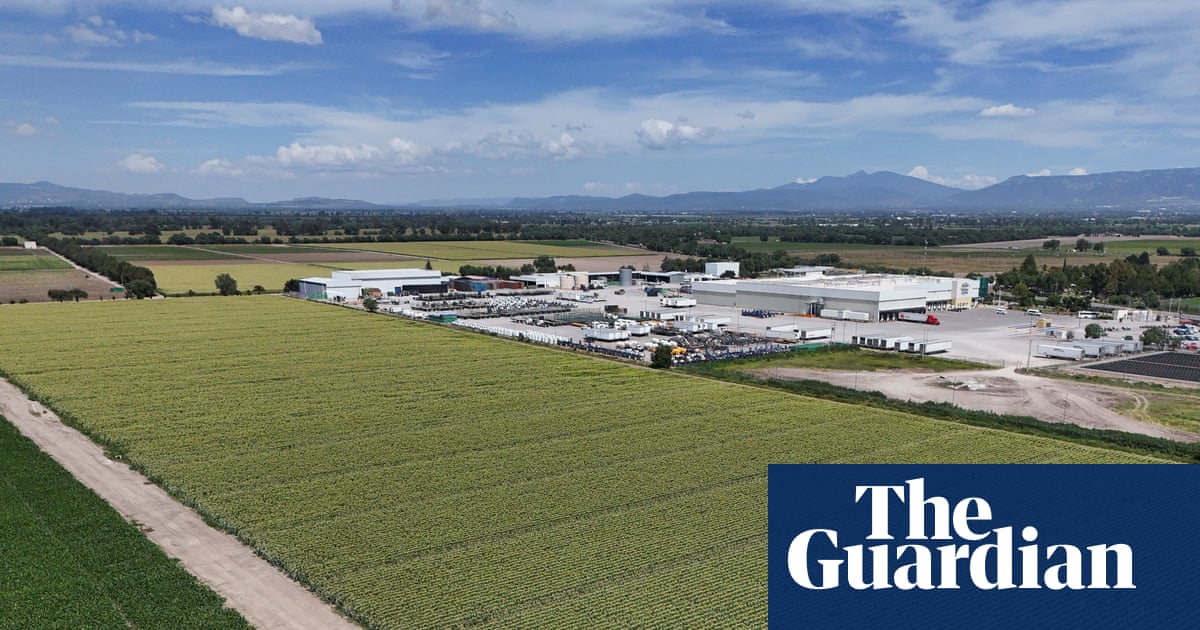
The Food and Drug Administration said Friday that its inspectors had detected cyclospora at the Mexican farm blamed for the largest outbreak of foodborne illness from the parasite in U.S. history. FDA inspectors said Friday that they found cyclospora in two places: a wastewater tank and a drainage ditch used for growing lettuce. They said it was unclear how the lettuce became infected. The agency’s announcement comes less than a month after the U.S. Centers for Disease Control and Prevention (CDC) declared an end to the multistate outbreak, which infected nearly 13,000 people in 21 states and led to 570 hospitalizations and two deaths. It also follows an announcement by regulators from Mexico’s own food safety authority, which conducted its own investigation and said no cyclospora was detected in lettuce or water at the facility. That conclusion came days after the FDA was forced to retract a flawed test result that had incorrectly identified cyclospora in a Taylor Farms lettuce sample collected at the border. The FDA announcement comes more than six weeks after the agency sent its investigators to the farm in Guanajuato. The visit was the agency’s first time there in more than seven years following a sharp drop in international food safety inspections following the Covid pandemic. While it is unclear how the contamination occurred, the FDA said the samples provide “strong epidemiological data” linking the outbreak to the Taylor Farms site. In a separate statement, Taylor Farms attributed the contamination cited by the FDA to an independent producer “who is no longer part of our supplier program.” “Our facilities remain closed in central Mexico as we work with our research team to implement enhanced safety protocols from the field to the facilities,” the company said. Cyclospora is a microscopic parasite that commonly causes watery diarrhea “with frequent and sometimes explosive bowel movements,” according to the CDC. Other symptoms included loss of appetite and weight, stomach cramps, bloating, and increased digestive gas. The disease, called cyclosporiasis, is less common than foodborne illnesses caused by other germs, such as salmonella and E. coli.