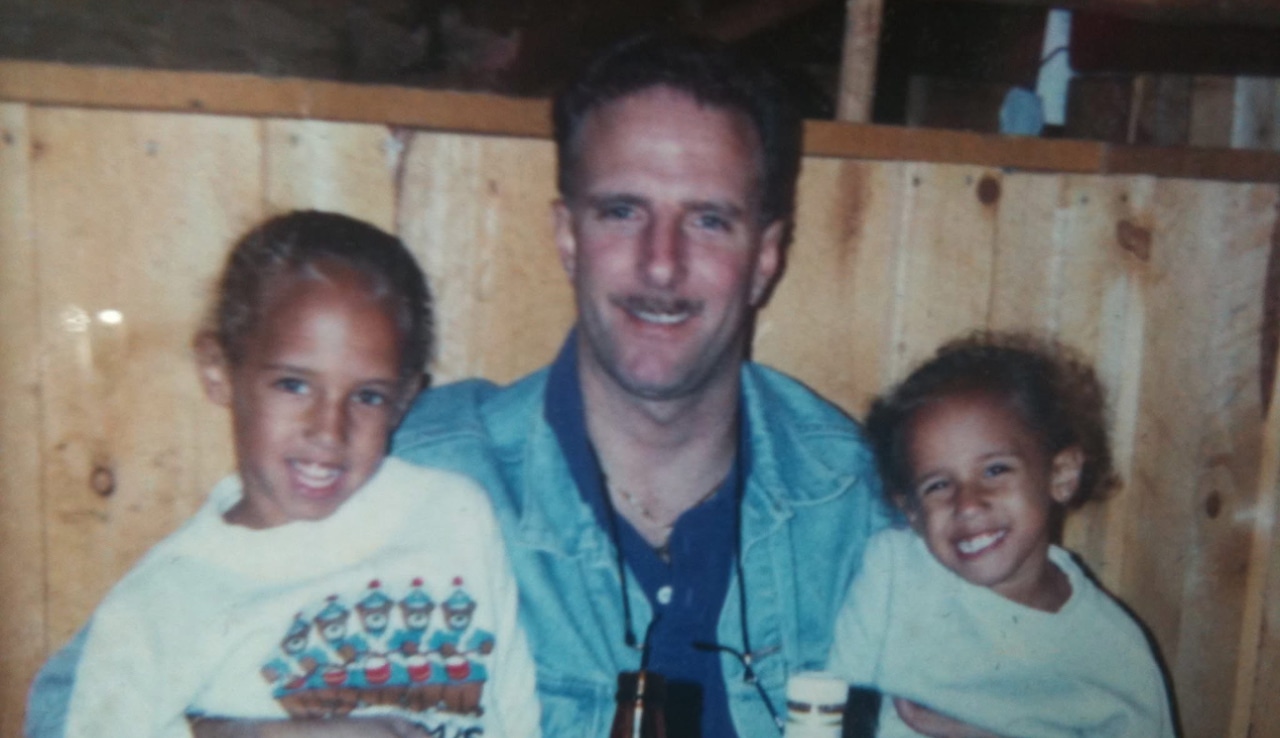
Two weeks before her sister had an aortic dissection and nearly died, Danielle Sullivan said they shared a conversation that now haunts her. Sullivan, 35, and her sister Cacharel Davis, 37, were discussing the rare genetic disorder they share — Marfan syndrome — and the risks that come with it. Affecting 1 in 5,000 people, Marfan syndrome is a condition that weakens the body’s connective tissue and can cause early death if left untreated. “I was like, ‘you really need to see a cardiologist.’ And she told me that she didn’t have insurance. And I was like, ‘even if you have to pay for it out of pocket, it’s something that’s serious and we have to stay on top of it,’” Sullivan said. “And here we are now, this happened.”Before the advent of surgical interventions like open heart surgery, people with Marfan syndrome were only expected to live into their 30s or 40s. Today, things are different. Experts say that with early diagnosis and treatment, people can avoid life-threatening complications and live a normal lifespan. But awareness and ongoing monitoring are key. In an interview with NJ.com, Davis said she should have known better. “Recently, I’ve been trying to tell myself, ‘It’s not your fault,’” said Davis, bedridden and awaiting open heart surgery. “But at the end of the day, it’s something that I should have gone to the doctor for.”Danielle Sullivan and Cacharel Davis circa 2010. The sisters were diagnosed with Marfan Syndrome after their father died from complications of an aortic dissection.Courtesy of Cacharel DavisA tough lessonAs kids growing up in Jackson Township, Sullivan and Davis were told they had to be more careful than other children. While everyone else sprinted in gym and signed up for sports, they were forced to sit on the sidelines. The physical exertion, they were told, could kill them like it did their father.Howard B. Winkler died in 1994 at 35 years old from complications of an aortic dissection and aneurysm. The family only learned afterward that he had Marfan syndrome, which significantly increases a person’s risk for aortic dissection, which is a tear or rupture between layers of the aortic wall.According to the Marfan Foundation, a nonprofit established to raise awareness and promote research, there’s a 50% chance that a person with the disorder will pass along the mutation when they have children. Genetic testing confirmed that Sullivan and her sister inherited it. “We were always told as kids we can’t do anything that’s strenuous on our body because as you do something strenuous, your heart is working faster and pumping more blood, and then it ends up stretching, and then that’s how you can ultimately have an aneurysm or a dissection,” said Sullivan. Researchers have since learned that people with Marfan can tolerate moderate physical activity. However, for a long time, Sullivan and her sister played it safe. They attended yearly echocardiograms to monitor heart function and took prescribed blood pressure medication to reduce risk. “My mom has always drilled into us how serious it is and how important it is to make sure that we stay on top of our yearly visits and our scans and things like that,” said Sullivan. “But I think as we grew up, and I think because we were diagnosed at such a young age, maybe it didn’t hit us as strongly as it should have at that time.”As the years went by, the rigidity of their lifestyles loosened. They began to work out and stopped taking medication. They became mothers. In other words, they got caught up living life. Although Sullivan continued to get yearly echocardiograms, Davis hadn’t had one in years. Sullivan brought it up with her sister in mid-August, but Davis brushed it off. “Everyone who knows me knows I put myself last, even just regular doctors visits. I make sure my kids go to their doctor, but I don’t put that same energy into myself,” said Davis. “I know I should’ve stopped and listened to my body and I didn’t.”Two weeks after the sisters spoke, on Aug. 31, Davis was at home straining to plunge a toilet — she’s a mom of two teenagers, after all — when she felt a pop in her back, one of the symptoms she was told to expect if she ever had an aortic dissection. She quickly called 911 and was taken by ambulance to an emergency room, where she was subsequently airlifted to another hospital and admitted to the intensive care unit with an aortic dissection and an aneurysm in her aortic arch.A lack of awarenessA 1989 report published about the surgical treatment of patients with Marfan found that overall survival wasn’t good — the average life expectancy of patients was only 32 years old. Today, “the outlook’s never been better,” said Dr. Alan Braverman, director of the Marfan Syndrome and Aortopathy Center at Washington University and a member of the professional advisory board and board of directors at the Marfan Foundation. “We have effective therapies and preventive surgeries and life saving treatments. So we expect people with Marfan syndrome to grow old. That’s the goal.”People with Marfan syndrome have an abnormality in the protein fibrillin, which is one of the building blocks for the body’s connective tissue and helps maintain the form and function of the skeleton, eyes and aorta. Some people with Marfan have visible signs of the disorder, including long arms, legs and fingers, a curved spine, an indented or protruding chest and flexible joints. But not everyone shows recognizable signs of Marfan syndrome. Experts estimate that nearly half the people who have Marfan syndrome don’t know it. And that’s the real danger. “If you don’t know you have it, you don’t have an evaluation for it. And if you don’t have an evaluation for it, the aorta will continue to enlarge and get big enough where it could tear or burst or dissect,” said Braverman. “Like a burst pipe in your house can flood the floor, this can make you exsanguinate. You can bleed to death from a dissection.”Davis knows just how close she came to that fate. After spending nearly three weeks in the intensive care unit, she was finally discharged on Sept. 17. Although she’s home now, she still has a long road ahead. She can barely get out of bed, takes three medications a day and monitors her heart rate while waiting for open heart surgery. Braverman said that “unfortunately” situations like Davis’ are “not rare.”The expense of annual visits and daily medication can be too much for some people, especially if they’re struggling to afford other living expenses.“Many times this involves a young person and many times they may, even if they have insurance, they have a high deductible plan. And these tests cost money, et cetera,” said Braverman. But, he added, “it’s a big deal. And so the importance of routine evaluation and follow-up cannot be overstated.”Cacharel Davis with her daughters Aaliyah (center) and Sarai (left) in 2021. The mother of two recently suffered an aortic dissection, which is a tear in the wall of the aorta.Courtesy of Cacharel DavisA message for othersWhile her sister was in the hospital, Sullivan launched a GoFundMe campaign to help ease financial burdens on the family. The campaign has raised more than $20,000 as of late last week. Sullivan also began sharing her sister’s story — in person and on social media — with anybody who would listen. “I knocked on every single door that I could possibly knock on to get my sister’s story out there and just get help and support as we we’re going through this, because it’s my sister, my only sister,” said Sullivan. A few days into her sister’s hospital stay, Sullivan was contacted by the Marfan Foundation. While the nonprofit doesn’t provide direct financial support, it can help patients find resources and experts near them. The organization connected Davis with a cardiothoracic surgeon, who will be part of her medical care going forward. “Because two leadership volunteers connected Danielle’s family with the Marfan Foundation family, we were able to help along the medical journey and also supply some cheer thanks to our Sidney Lerman fund,” said spokeswoman April Dawn Shinske. “We’ll be there for the family as they face the road ahead – with everything from free support groups to our Help & Resource Center that answers medical questions, aiming to help the sisters and their extended family thrive for years to come.”Although things are looking up, the sisters are still shaken. Sullivan can’t help but think about how she’s the same age her dad was when he died. She wants her family’s story to be a lesson to others. “So that what’s going on in my family, nobody else ever has to feel that,” said Sullivan.