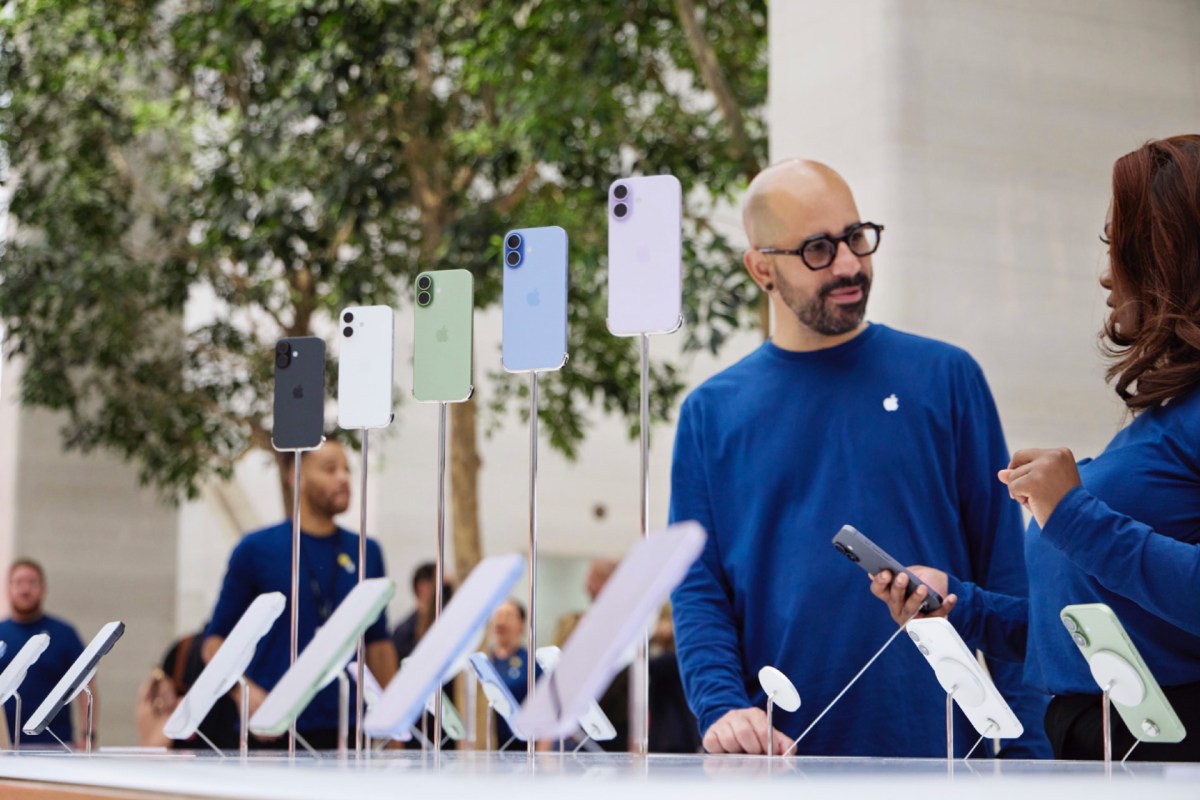
Apple on Wednesday presented its new iPhone 18 and its first foldable iPhone, the iPhone Duo. But amid all the attention on Apple’s newest, most expensive devices, there’s another change: Apple is raising the price of its existing iPhone models by $100. Starting today, customers will notice a price increase for existing models in Apple’s online store, including starting prices for the iPhone 16 at $799, iPhone 17e at $699, iPhone 17 at $899, and iPhone Air at $1,099. Price increases are even more pronounced in some international markets. In India, for example, prices would have increased by around 20.5%. The company also discontinued the iPhone 17 Pro and iPhone 17 Pro Max. The strategy is unusual for Apple. Traditionally, the arrival of a new generation of iPhone means that older models become cheaper. However, the price increase was not entirely unexpected. There had been speculation that Apple could increase prices as it unveils its next-generation iPhones. One of the biggest pressures is the global shortage of memory and storage chips. Demand for those components has increased as AI companies and cloud providers build increasingly massive data centers. In a June interview with The Wall Street Journal, former Apple CEO Tim Cook acknowledged that rising component costs could eventually force the company to rethink its pricing strategy. He said Apple could no longer fully absorb the rising costs of memory and storage chips. About a week after those comments, the company raised the prices of its Mac and iPad lines. Other reasons Apple might consider raising iPhone prices are to remain competitive against the rising prices of rivals such as Samsung and Google. Additionally, Apple may feel that its new upgrade program, which allows customers to spread the cost of an iPhone over manageable monthly payments, could cushion the impact of a price increase, making it less noticeable to consumers. When you buy through links in our articles, we may earn a small commission. This does not affect our editorial independence.