Scientists examined a 165-million-year-old fossil from China and found a broad swimming tail plus bony throat structures; the Jurassic mammal predecessor could feed and swallow in ways seen in modern mammals
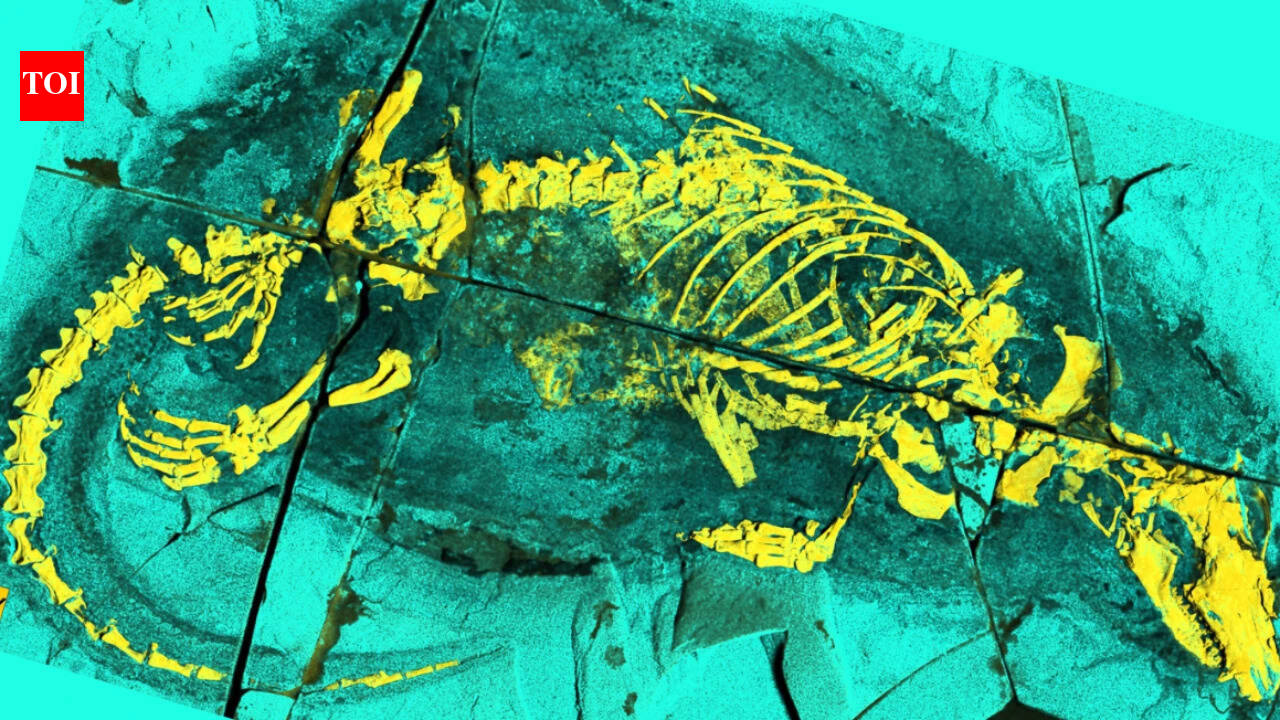
An X-ray photograph of the Megacauda fossil Scientists examined a 165-million-year-old fossil found in China and identified a mammalian predecessor that had a broad swimming tail and throat bones similar to those found in modern mammals. The discovery suggests that some of the earliest mammalian relatives had already developed ways of chewing and swallowing food … Read more