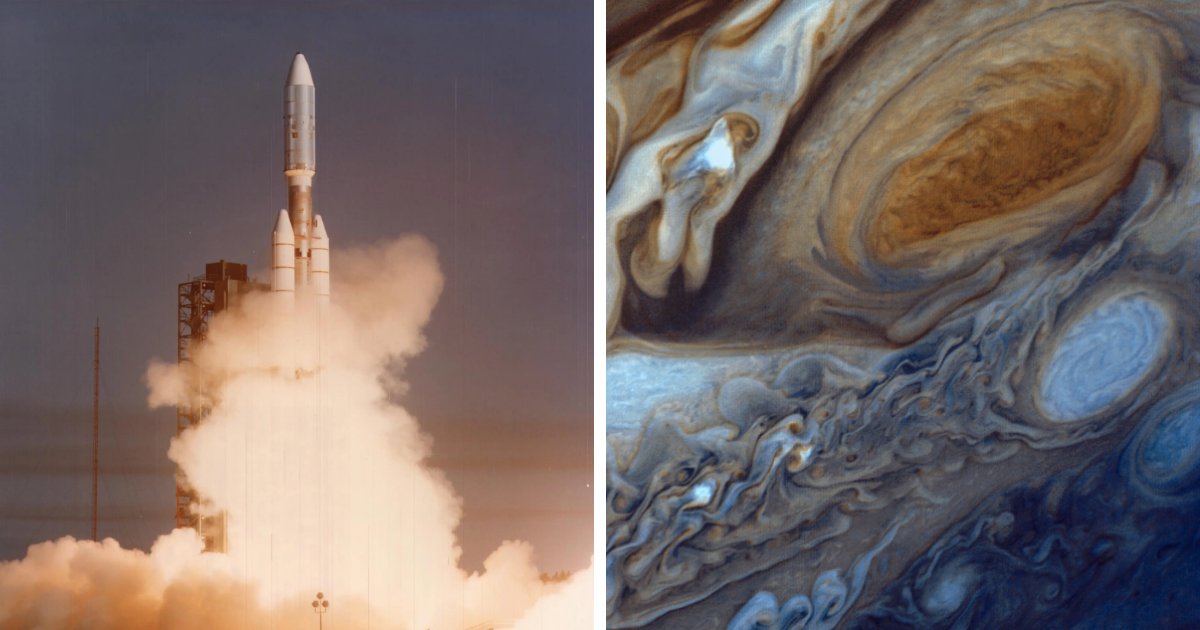
At 5:16 a.m. EST on Wednesday, November 18, 2026, a probe built in the mid-1970s crossed a line that no man-made object had reached before. NASA’s Voyager 1 is now one light day from Earth. It is so far away that a radio signal moving at the speed of light takes a full 24 hours to cover the distance. In more familiar units, that equates to about 16.1 billion miles (25.9 billion kilometers), or about 173 times the distance between Earth and the Sun. Voyager 1 lifted off from Cape Canaveral on September 5, 1977, scheduled to use a rare alignment of the outer planets. It passed Jupiter in 1979 and Saturn in 1980. At Saturn, a close pass by the moon Titan threw it out of the plane in which planets orbit. In August 2012, it became the first spacecraft to cross the heliopause, the boundary where the solar wind gives way to thin gas between stars. It has been sampling interstellar space ever since. Each message NASA sends to Voyager 1 now takes a full day to arrive, and the response takes another day to arrive. Scroll down to see the images he sent home for nearly five decades.