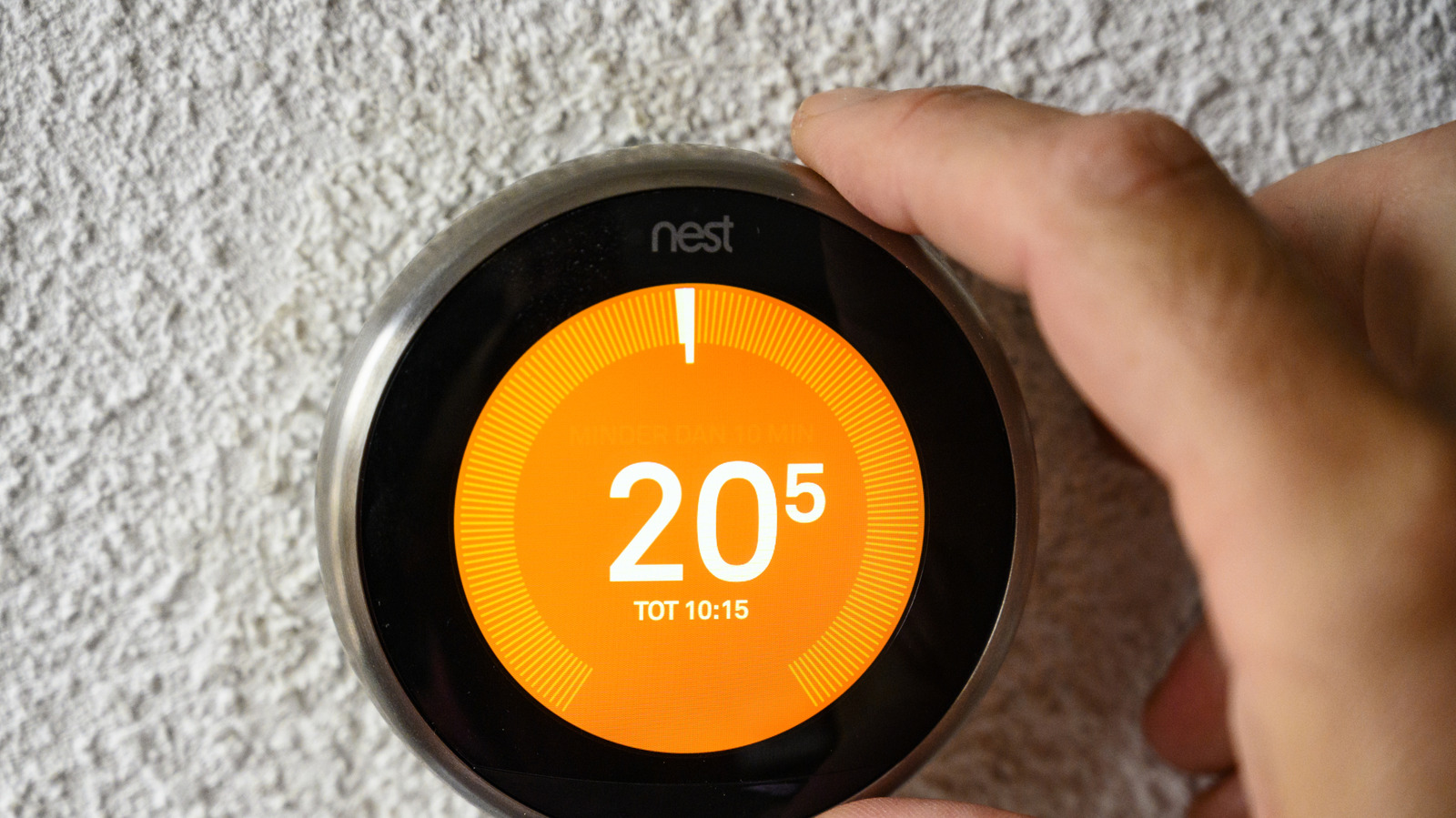
Sjoerd Van Der Wal/Getty Images There are likely countless devices and appliances in your home or pocket that have some kind of smart functionality, which means that one day they may stop working. Companies like Google can end support for a product, like Google Nest, at any time or issue a statement saying the service will end on a certain date. When that happens, you’re left with outdated technology, but you don’t have to be stuck with the now-dumb device. If you come across a device like the first or second generation Nest Learning Thermostat that is no longer supported by Google, there are a couple of things you can do with it. Without support, devices no longer have smart capabilities, so you may want to consider recycling them or installing custom firmware to reactivate the unsupported device. On the other hand, you can also use the Nest product without smart features. If you want to get rid of an old Nest device, recycling it is one way to go. Google even offers a recycling program that you can take advantage of. Unsupported devices may no longer have smart connectivity, but they still have hardware inside that can be leveraged. Recycling outdated technology produces less waste in the world and creates room for you to add a new Nest device to replace it and continue your Google Nest subscription. Find open source firmware to revive old devices Marvin Samuel Tolentino Pineda/Getty Images Google discontinued its Nest brand, which included the aforementioned thermostats, in an effort to house all of its tech and smart devices within Google Home. If you own any of several Google Nest items, including the Google Nest Mini and Google Audio, you may want to consider recycling them or see if there is custom firmware that can restore their smart capabilities. As is the case of a community project. An application developer from the company No Longer Evil has created a firmware that is capable of restoring smart functions on unsupported technology. One project focuses on creating free, open source software for Google Nest thermostats that makes them work as intended before Google stopped supporting them. Basically, the system sends Nest data to a custom server that contains a replica of the Nest software. However, it is worth mentioning that the No Longer Evil firmware is under development and may not always work correctly. Its use may also cause the thermostat to lock completely, thus preventing future use. It is up to the user to decide if they want to continue using the software. A post on Reddit details other users’ experiences with the firmware, which many say works and was easy to set up. Keep the old device and use it without smart features Pekic/Getty Images Of course, you can always keep your unsupported Google Nest devices and continue using them without smart connectivity. Once Google ends support for one of its items, it no longer works with Google Home. However, that doesn’t mean it can no longer be used; in fact, many devices may still be operated manually. Even if Google no longer provides updates for its first and second generation Nest Learning Thermostats, they are not useless. You can still use the device to manually set the temperature. Google claims that you can control the thermostat directly through your device to do several things. You can access the auto schedule settings to preset routines. You can also switch between temperatures and access all thermostat functions and settings. You will have to check other devices to see if that is the case. If you can’t find any open source software to restore old Nest devices, you may want to consider reusing them. You can find clever uses for your old Google tech, like turning speakers into Bluetooth devices. Those who have used technology no longer supported by Google say it’s a shame not everything was open source and that more companies should do so as things get smarter. Instead of having to buy a new, more expensive product to replace their old, unsupported device, users would prefer to install custom firmware and get it working once again.