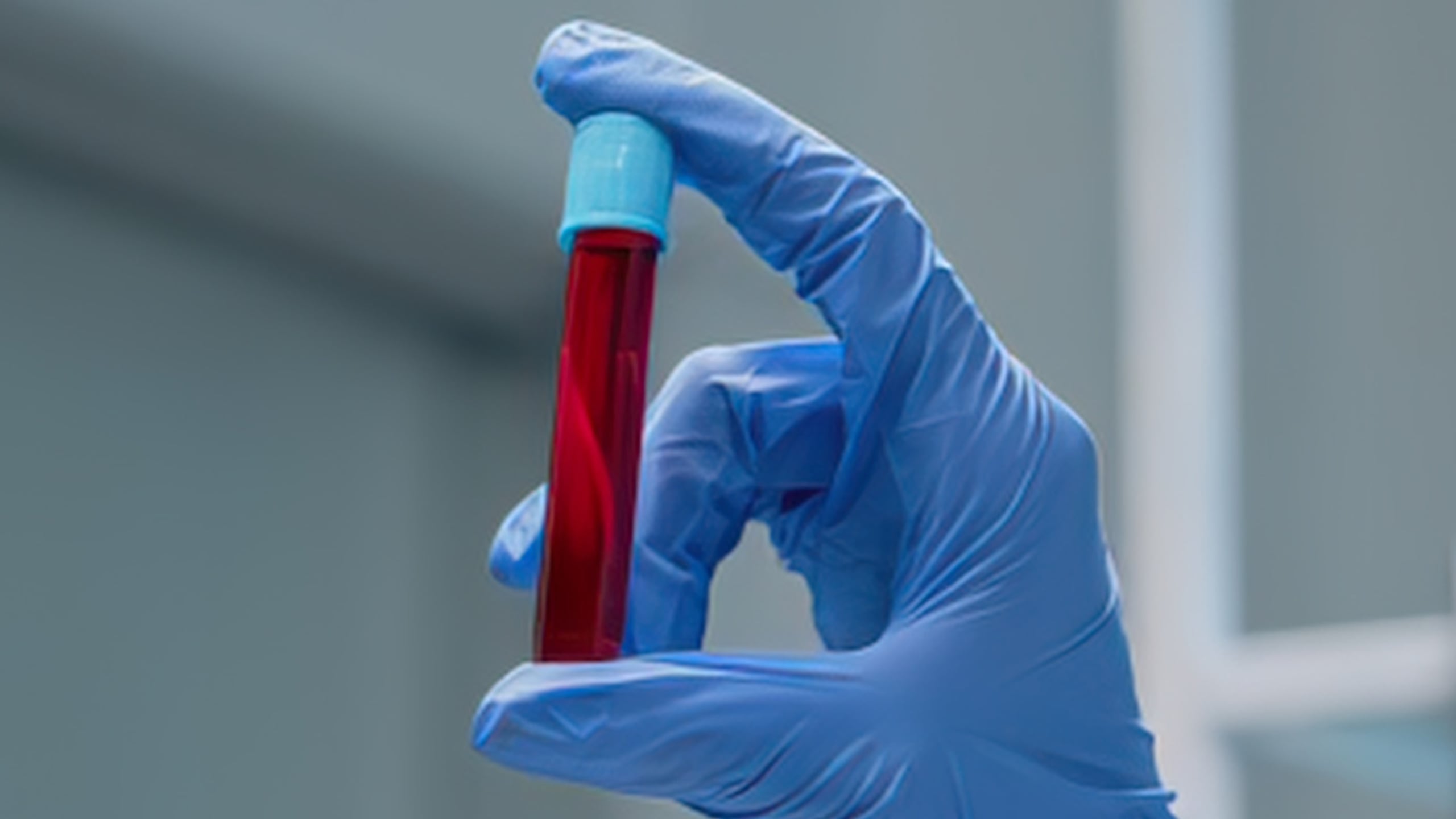
Fasting is a common requirement for many routine laboratory blood tests, and patients are often instructed to avoid eating or drinking anything except water for 8 to 12 hours before the sample is drawn. However, according to a new study, this step may be unnecessary for a wide range of tests. Aside from a few notable exceptions, the findings suggest that many patients could eat and drink in the hours before their tests without altering the results. These results alone may not yet justify changing your pre-test fasting standard, nor do they mean you should ignore medical instructions to fast. But they do provide compelling evidence to reevaluate the appropriateness of default fasting before routine blood tests. “Our comprehensive analysis suggests that most routine blood tests are minimally affected by short-term fasting, and fasting longer than 12 hours was not associated with significant additional differences for any test examined,” the study authors write. concerns that patients’ diets may jeopardize clinical accuracy. Blood test results often provide the basis for important medical decisions, and some measurements are actually significantly sensitive to variables that occur before the test, such as food intake. To minimize this variability, doctors began to widely instruct patients to fast for eight to 12 hours before blood sampling, “a practice that originated with lipid and glucose testing,” the researchers explain, “but is now applied by default to much broader test panels.” However, despite the prevalence of this practice, recommendations for the optimal duration of fasting remain inconsistent. Research suggests that fasting helps with certain tests, but its value on a diverse panel of tests has not been systematically studied with clinical data. Research on pre-test fasting largely comes from lipid tests, while comparable data is limited for tests focused on metrics such as liver enzymes, pancreatic enzymes, hematological indices, hormones and vitamins, the authors note. As such, fasting recommendations may vary from laboratory to laboratory. Given the limitations of existing research on the topic (as well as the burden that fasting can impose on patients), the authors of the new study took a closer look at this clinical tradition. Fasting is a common requirement for many routine laboratory blood tests. (Rusty Clark/Flickr/CC BY 2.0) Led by Sunghwan Shin, a laboratory physician at Ulsan University Asan Medical Center in Seoul, researchers conducted a retrospective cross-sectional study using laboratory data collected between 2021 and 2023 from a single 670-bed university hospital. The study subjects were all adult outpatients with documented fasting durations before blood tests, which the authors of the new study divided into three categories: less than eight hours, eight to 12 hours, or more than 12 hours. Their final data set included more than 9.7 million test results from more than 101,000 patients, for which researchers looked for signs of fasting-related differences that exceeded established analytical performance specifications (APS). analytes targeted by blood tests. Fasting appears to help for those few analytes, primarily glucose, triglycerides, gamma-glutamyl transferase, and lipase, which were higher in patients who fasted for less than eight hours. However, for many of the other analytes, the findings suggest that fasting for eight hours or more could be an unnecessary burden. Biochemist Liv Tybjærg Nordestgaard of Copenhagen University Hospital and colleagues note that the study “provides strong support for accumulating evidence that fasting blood sampling is not necessary.” The research has been published in JAMA Internal Medicine. This article was fact-checked by Rebecca Dyer and edited by Rebecca Dyer. While we take pride in our process, we are human. If you spot an error, please let us know.