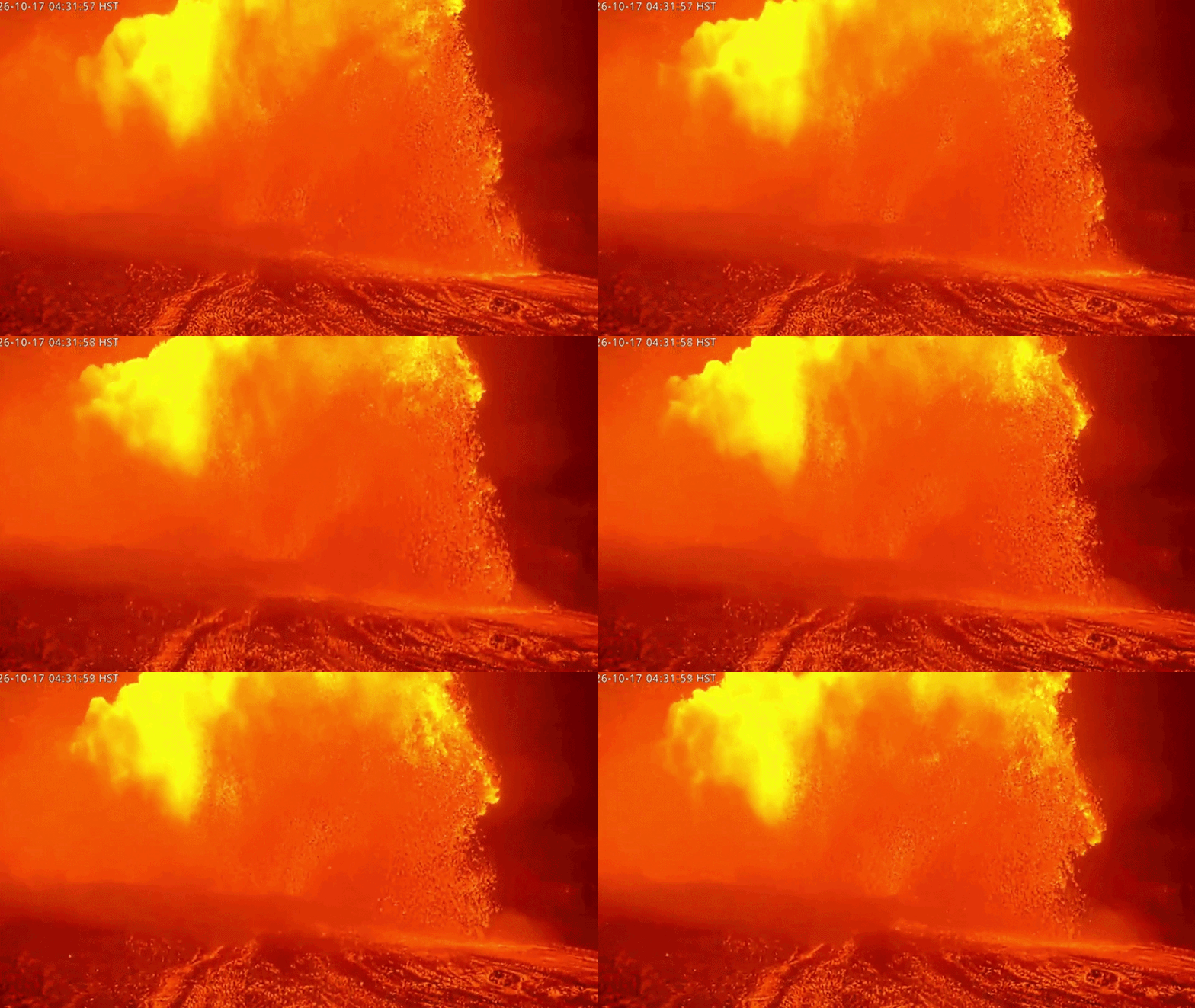
Hawaii’s Kilauea volcano began its 55th eruptive episode since December 23, 2024, shortly after 3 a.m. local time on Saturday, after an unusually long two-month pause. CONCLUSION Kilauea’s 55th eruptive episode began early Saturday morning. The volcano has experienced episodic eruptions since December 23, 2024. Kilauea is considered one of the most active volcanoes in the world. HAWAII VOLCANO NATIONAL PARK, Hawaii – Hawaii’s Kilauea volcano began its 55th eruptive episode since December 23, 2024, shortly after 3 a.m. local time on Saturday, after an unusually long two-month pause. NEARLY 100 EARTHQUAKES SHAKE KĪLAUEA AS VOLCANIC UNREST PROMPTS PARK CLOSURE Kilauea’s 55th eruptive episode (USGS/FOX Weather) Kilauea has experienced episodic eruptions since 2024. But after the previous episode ended on August 25, USGS scientists said changes in activity at the summit, including a series of earthquakes and a shallow intrusion of magma beneath the Halema’uma’u crater in late September and early October, made it impossible to predict exactly when the next episode would begin. RECENT VOLCANIC ACTIVITY A magma intrusion occurs when magma moves into cracks beneath the Earth’s surface, causing earthquakes and cracks in the ground. Message from Kilauea 2026-10-17 04:21:15 HST. The northern vent source has grown to about 80 m (250 ft) high and is at least as wide. The fountain feeds a broad layer of lava into the Halema’uma’u crater. The wind is blowing from the northeast and the tephra is within the closed area of the HVNP.— USGS Volcanoes🌋 (@USGSVolcanoes) October 17, 2026 USGS volcano watchers said lava fountains have reached 250 feet high. “The source is feeding a wide layer of lava towards the Halema’uma’u crater,” the agency said on social media. NATIONAL PARK COLLAPSES INTO OCEAN AFTER HURRICANE NOLO Volcanic gas released during eruptions can affect people downwind, particularly those with respiratory problems or other sensitive populations. The eruptions can also release Pele hair, which are strands of volcanic glass, and can irritate the skin, eyes, and respiratory system. The Halema’uma’u Trail and parts of the Byron Ledge Trail in the national park are temporarily closed due to increased seismic activity earlier this month. Previously, somewhat regular activity at Kiluea was driven by magma accumulating in a shallow reservoir beneath the Halema’uma’u crater. Each eruptive episode released some of that pressure beneath the crater, after which magma would refill the reservoir, resulting in a relatively regular pattern. The episodes were usually separated by breaks of two or more weeks. Kilauea in September and early October, opening new cracks in the caldera, which may have contributed to the longer pause between episodes. Kilauea is considered one of the most active volcanoes in the world. Check back for updates on this developing story.