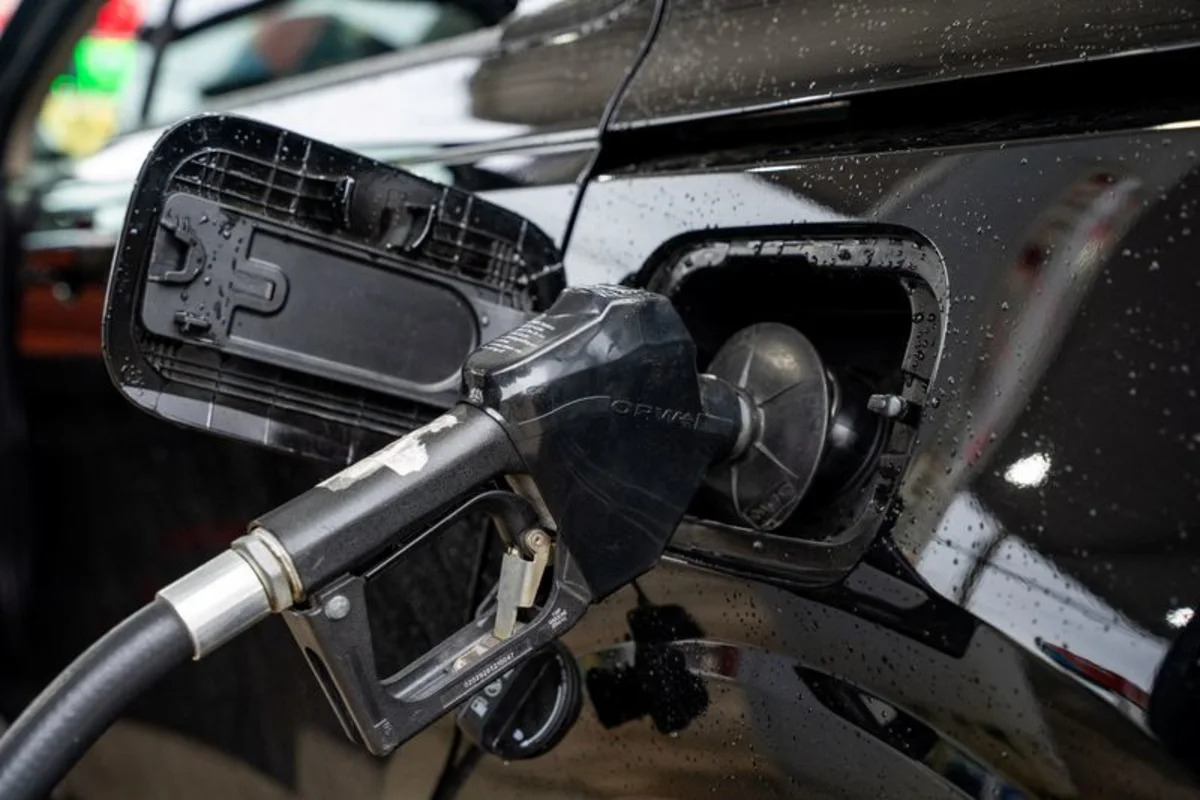
By Lucia Mutikani WASHINGTON, Aug 12 (Reuters) – U.S. consumer prices likely rose moderately in July, which could further dampen financial market expectations that the Federal Reserve will raise interest rates this year. Wednesday’s Consumer Price Index report from the Labor Department would come on the heels of last week’s news of surprise job losses last month. Economists said the United States’ position as a net oil exporter and declining oil inventories had cushioned the impact on the economy of the oil price shock caused by the Middle East conflict. Still, they considered inflation risks tilted to the upside, without a solution to the US-Israel war with Iran. President Donald Trump accused Iran of being “devious negotiators” in an interview published Monday night and outlined some of his current options in the war: “just move on” and let Tehran fail economically or hit them “very, very hard.” “I don’t expect any significant fireworks when the numbers come out,” said Sung Won Sohn, a finance and economics professor at Loyola Marymount University. “I don’t really see the Fed raising or lowering interest rates unless things go wrong for both unemployment and the CPI.” The CPI probably recovered 0.1% last month, a Reuters poll of economists predicted, after falling 0.4% in June, the first drop in six years. In the 12 months through July, the CPI was forecast to have risen 3.4% after advancing 3.5% in June. The small expected monthly increase in the CPI would reflect a further decline in gasoline prices, which averaged $4.064 a gallon in July versus $4.184 in June, according to data from the Energy Information Administration. Gasoline prices have fallen from an average of $4.609 per gallon in May. Food prices were likely to increase marginally, in line with their recent trend. Prices of goods, including household furniture and clothing, amid declining tariff pass-through, will likely explain the moderate rise in the CPI. INFLATION STILL ABOVE TARGET Outside of the volatile components of energy and food, the CPI was forecast to rise 0.2% last month after remaining unchanged in June. That would translate into a 2.5% year-on-year increase in the so-called core CPI inflation. The US central bank tracks personal consumption expenditure price indices for its 2% inflation target. While colder inflation readings could further temper expectations for rate hikes, they would likely be of little comfort to consumers as wages would not keep pace with prices. “It’s an improvement, but both numbers are still extremely high and unpleasant for consumers,” said Tani Fukui, an economist at MetLife Investment Management. The high cost of living has soured many Americans’ opinion of Trump and could hurt the Republican Party’s chances in the November midterm elections that will determine control of the U.S. Congress for the next two years. Trump won the 2024 presidential election largely thanks to his promise to reduce inflation. Core inflation was boosted by spikes in the prices of used cars and trucks, as well as education and communications goods. Increases in airfares were also expected. A slight rebound in rents was anticipated, but economists were divided over whether hotel and motel room prices would continue to decline. Still, the CPI’s benign core inflation readings were unlikely to be replicated in the core PCE price measure, leading some economists to continue to expect the Federal Reserve to tighten monetary policy in September. Ahead of the data, economists forecast core PCE inflation would rise 0.2% over the month after gaining 0.1% in June. This would translate into a year-on-year increase of 3.3%, which would match the increase in June. The components of the basic basket have different weights in the CPI basic basket. “A report in line with our expectations would strengthen the case for the Fed raising rates in September,” said Stephen Juneau, U.S. economist at Bank of America Securities. (Reporting by Lucia Mutikani; Editing by Andrea Ricci)