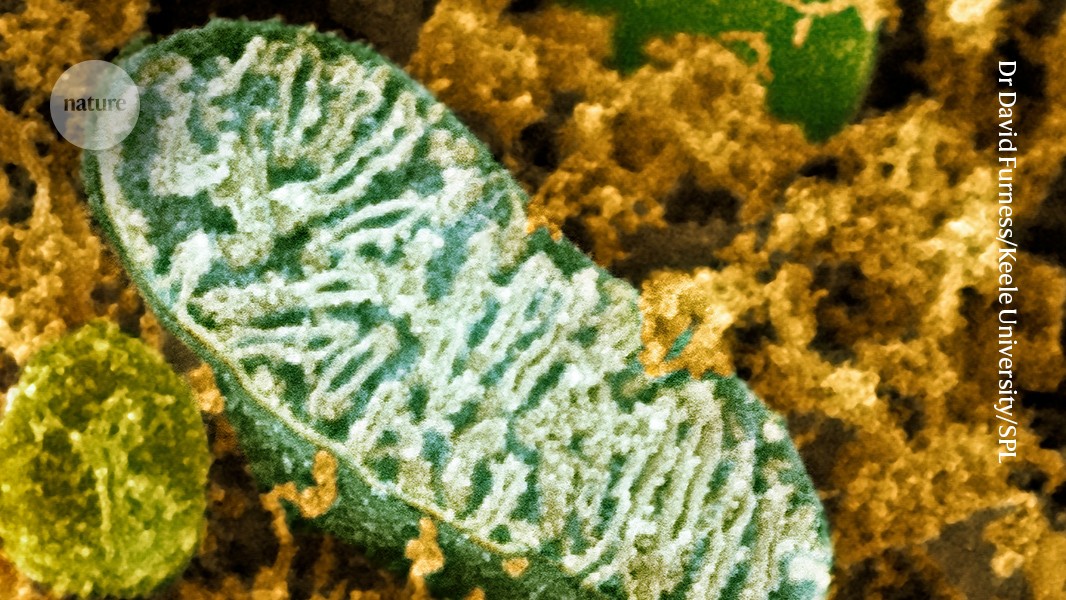
The protein catalog offers a dynamic picture of mitochondria, beyond what was known from humans and yeast. Credit: Dr David Furness/Keele University/SPLS Scientists have mapped in unprecedented detail the proteins that make up mitochondria in six organisms (five single-celled parasites and one plant) spanning the eukaryotic tree of life. The findings, described in nine papers published in Cell, Cell Press Blue, Molecular Cell, and Current Biology from October 1 to 9, reveal dozens of proteins not found in humans but shared among parasites, including some that cause malaria. or sleeping sickness. The findings could help scientists design new treatments for these diseases. The work has also sparked a long debate about the origin of mitochondria. The cells are exchanging their mitochondria. What does this mean for our health? Better known as the powerhouse of the eukaryotic cell because it produces energy, the mitochondria have their own tiny DNA, which is distinct from that of the cell’s nucleus. But both mitochondrial and nuclear DNA encode the proteins that make up this organelle. Most of what is known about mitochondria comes from studies in humans and yeast, says Vamsi Mootha, a mitochondrial biologist at the Howard Hughes Medical Institute in Boston, Massachusetts, who led the ‘mitoproteome’ catalogs project. Now, by analyzing mitochondrial proteins in several eukaryotic branches, the team has detected more proteins that could indicate unstudied molecular pathways. A trove of parasite proteins Mootha and colleagues analyzed the proteome of several parasites, including Giardia lamblia1, which infects about 280 million people worldwide each year and causes diarrhea10. Giardia parasites have tiny mitochondria-like organelles that are notoriously difficult to study because they live inside the intestines of other organisms, without oxygen, says Pavel Doležal, a cell biologist at Charles University in Prague, Czech Republic. Mootha and his colleagues identified a total of 59 mitochondrial proteins in G. lamblia: 32 that scientists knew about before and 27 new ones1. The function of 34 of them is unknown, which is surprising, Doležal says, because “it means there is some new metabolism that we don’t know about. And it was overlooked.” Combining the mitoproteomes of the six organisms with those known from humans and yeast, the researchers assembled a collection of 8,619 mitochondrial proteins that were classified into 3,199 families2. About 43% of these families have not been recorded in a giant protein database known as Pfam. And 33 protein families are conserved in eukaryotic pathogens, but are absent in humans. These proteins may be “ideal drug targets” for precise therapies that would act on parasite proteins, but not human ones, Mootha says. Obscure origins Researchers agree that mitochondria arose two billion years ago when a bacteria was engulfed by an archaea cell and began living inside it in a mutually beneficial relationship, known as endosymbiosis. This bacteria, which later became the mitochondria, is believed to have provided energy to its archaeal host. Masked mitochondria are introduced into cells to treat diseases in mice.