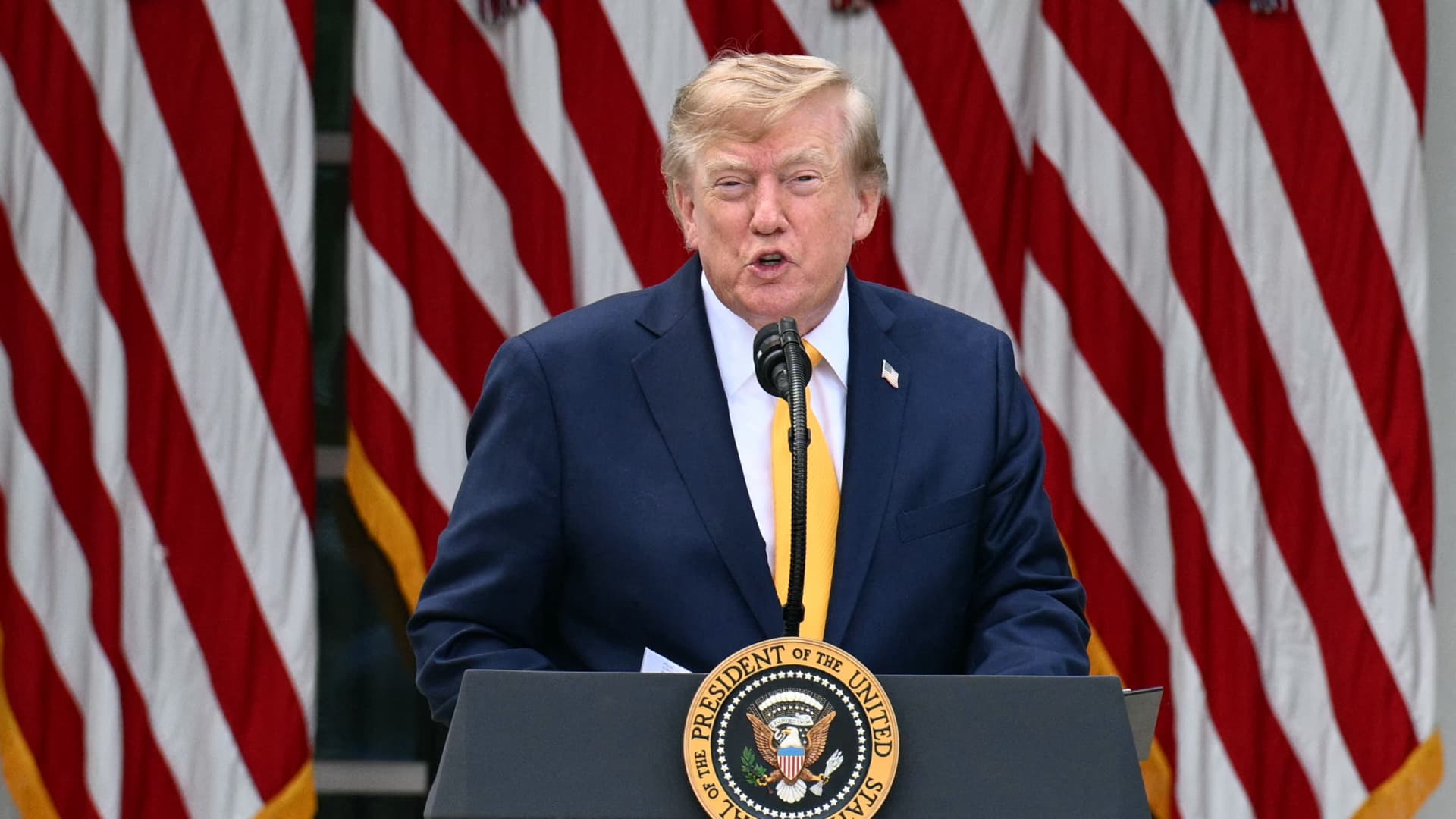
US President Donald Trump speaks in the Rose Garden of the White House in Washington, DC, August 24, 2026. Jim Watson | AFP | Getty Images The United States has reached a deal with Venezuela to gain majority control of more than 65 billion barrels of oil reserves as the war with Iran roils global crude oil trade, President Donald Trump announced Friday. Trump said in an afternoon social media post that the deal, which he touted as “THE LARGEST OIL DEAL IN WORLD HISTORY,” is being done “at no cost” to American taxpayers. The deal more than doubles US oil reserves, according to Trump. Energy Department data released earlier this month showed oil volumes in the Strategic Petroleum Reserve hit lows not seen since the 1980s. Trump’s deal with Venezuela follows the United States’ January attack on the South American country. Nicolás Maduro, the then president of Venezuela, and his wife, Cilia Flores, were captured during the attack. In his social media post, Trump said U.S. officials coordinated with government leaders in Venezuela. They also used a “partnership” with unnamed private companies to secure the deal, he said. “This transaction will greatly strengthen the already growing relationship between Venezuela and the United States,” Trump wrote in the post. Trump’s announcement comes as consumers grapple with rising energy prices ahead of the midterm elections, which will determine whether his Republican Party retains full control in Washington. Trump said the deal with Venezuela should reduce prices at the pump. The average price of a gallon of gasoline in the United States reached about $4.09 on Friday, a 27% year-over-year increase, according to AAA. West Texas Intermediate crude oil prices fell 4% this week, marking the first losing week in the last three. Still, prices have risen more than 24% since the US war with Iran began. Trump’s war with Iran has hampered transit through the Strait of Hormuz, a globally important crude oil passage. Only a handful of ships have recently crossed Hormuz each day, down from levels of around 100 seen a year ago, according to the International Monetary Fund’s PortWatch tracker. Choose CNBC as your preferred source on Google and never miss a moment from the most trusted name in business news.