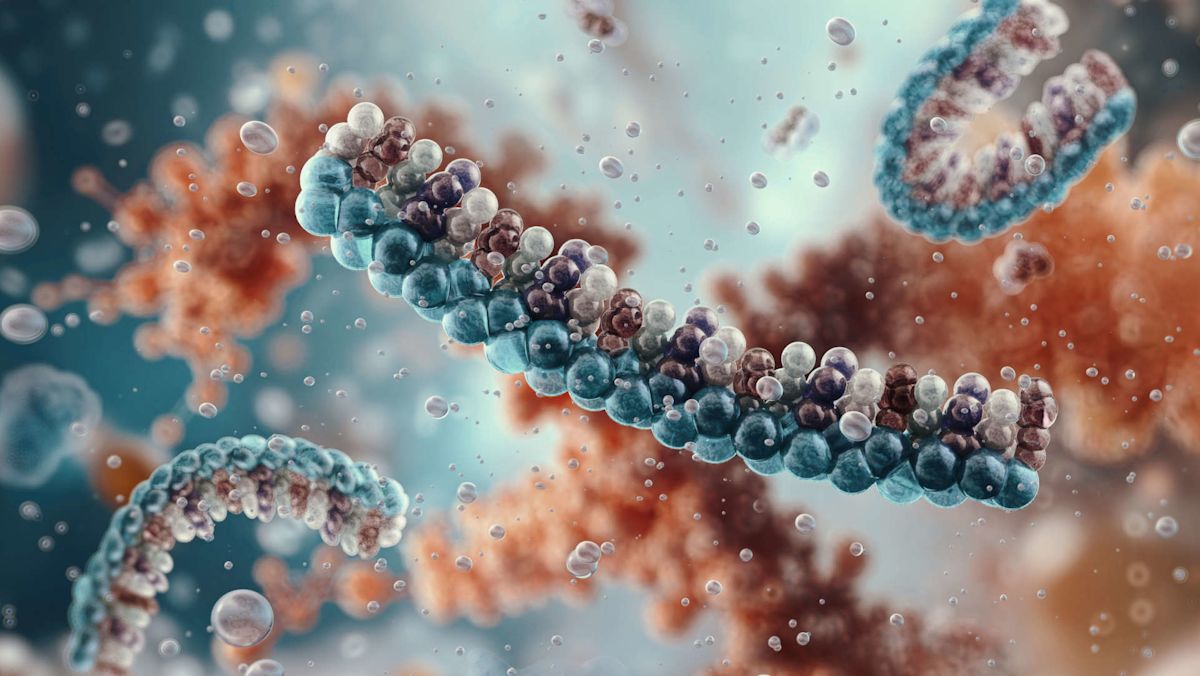
Scientists have overcome a surprising obstacle in synthetic biology: they obtained two different genetic codes working inside the same cell. The breakthrough is a step toward building life forms that can make proteins with ingredients that nature never adopted. Here’s what you need to know The finding is important because it goes against one of the most entrenched limits in biology, as Ars Technica reported. In almost all forms of life, cells use essentially the same instructions to convert DNA into proteins, which do much of the work inside a cell. That shared system probably dates back to the oldest ancestor of all living things. Scientists have long considered it to be unusually difficult to alter because so many cellular activities depend on it. Still, researchers have found narrower ways to modify it, including adding extra amino acids to bacteria and producing proteins that skip a standard amino acid. Previous efforts sometimes meant painstakingly redesigning a bacterial genome, gene by gene, so that it could fit a different coding scheme. The ability to run two codes in a single cell suggests that there may be a less rigid way to proceed. More information The code is a rule book for building proteins. Connect the instructions in DNA to the order in which amino acids are assembled. Because proteins shape metabolism, structure and repair, even a small change in that code can send effects throughout the cell. If two codes can coexist, scientists could add capabilities gradually rather than rebuilding life’s operating system all at once. This is still early-stage research, not technology aimed directly at consumers. Engineered cells could produce proteins with properties that ordinary biology cannot, potentially expanding what biotechnology can do. What is being done? A central goal in this field is to make synthetic biology easier to use in practice. Instead of remaking entire genomes from end to end, researchers want ways to incorporate new coding rules without derailing the functions a cell needs to stay alive. The result suggests that cells can handle parallel translation systems, creating opportunities to test new amino acids and new proteins in a more controlled way. Immediate next steps will likely focus on stability, scale, and reliability. Scientists still need to demonstrate that these systems can operate consistently and safely to support more ambitious applications. This work could eventually help create cleaner manufacturing methods for specialized molecules or unlock new classes of biological tools, but for now, it remains a critical milestone in research. Life on Earth has depended on almost the same genetic code for billions of years. Demonstrating that a cell can harbor two codes at once does not rewrite biology overnight, but it opens the door to a much more extensible version of it. Get TCD’s free newsletters for easy tips, smart advice, and a chance to win $5,000 toward home improvements. To see more stories like this, change your Google preferences here.