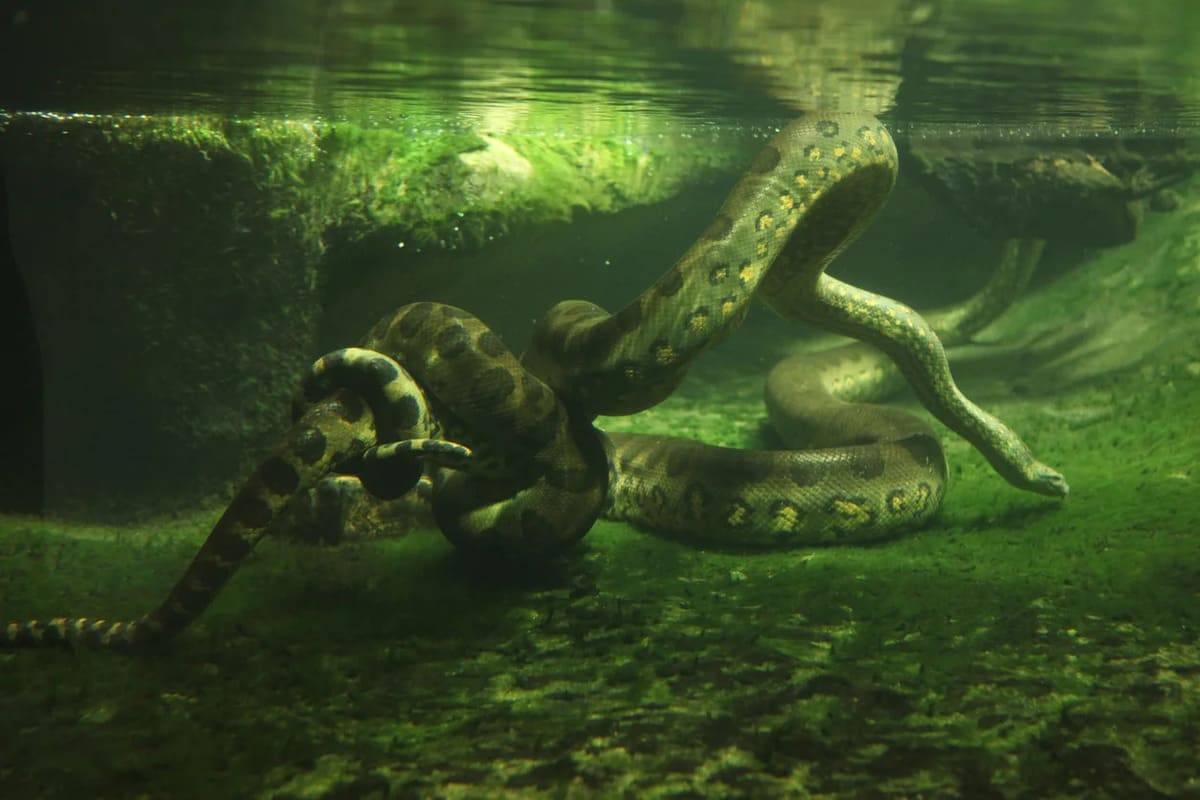
Deep in the Amazon, while filming a National Geographic documentary series alongside actor Will Smith, a team of scientists stumbled onto something few ever see: an anaconda stretching a remarkable 7.5 meters. The jungle seldom gives up its secrets, but this discovery illuminated both the immense biodiversity of the rainforest and the growing threats pressing in on it.Behind the unexpected encounter
This was more than a film set – scientific work was unfolding behind the cameras. Professor Bryan Fry of the University of Queensland and his team were examining the long-term impacts of oil drilling in the Amazon on local wildlife. Working hand in hand with the Waorani, an Indigenous group with intimate knowledge of the land, they set out to trace how pollution moved through this intricate ecosystem.The group’s research focused on anacondas, apex predators that sit at the top of the food web – and are uniquely vulnerable when habitats are degraded. While collecting data, they noticed physical differences among snakes from different regions. This sparked a closer look, leading to unexpected insights about the giant reptile’s diversity.New branch on the anaconda family treeUntil recently, scientists considered green anacondas across South America to be one species. But as the team collected genetic samples from snakes in Ecuador and Brazil, clear distinctions emerged. DNA evidence revealed they were, in fact, dealing with two separate species – despite nearly identical appearances and behaviors.The differences go beyond genetics. Ecuadorian green anacondas, the ones encountered during the documentary’s filming, were found to be longer than their Brazilian relatives. Among the largest females, however, size differences narrowed, with those in Ecuador averaging about a meter longer than similar specimens from Brazil.Size, Diet, and Hidden RisksProfessor Fry highlighted another striking contrast: size between the sexes. Female anacondas typically reach about 5 meters, but males can grow to nearly twice that length. This difference drives their dietary needs. Males commonly hunt long-legged wading birds, drawn to aquatic habitats, while females target grazing animals. These feeding habits expose the animals to different channels of pollution.By analyzing heavy metal concentrations in tissue samples, the research team found male snakes carried up to ten times more lead and cadmium than females. The culprit: industrial oil pollution creeping into aquatic environments. Toxic substances ascend the food chain – from polluted waters to birds to snakes – demonstrating how deeply environmental damage penetrates this ecosystem.Species on the EdgeThe revelations don’t end with discovery. Of the two newly recognized species, the Brazilian green anaconda faces a grimmer future. Its range is smaller, making it especially vulnerable. “Hydrocarbon pollution affects male fertility,” Fry reported, compounding the threat to these elusive giants.From the accidental encounter with a colossal snake to the sobering implications for Amazonian biodiversity, the story underscores how much remains hidden in the world’s wild places – and how human actions can ripple outward in surprising, sometimes irreversible ways.—–Like what you read? Subscribe to our newsletter for engaging articles, exclusive content, and the latest updates.Check us out on EarthSnap, a free app brought to you by Eric Ralls and Earth.com.—–