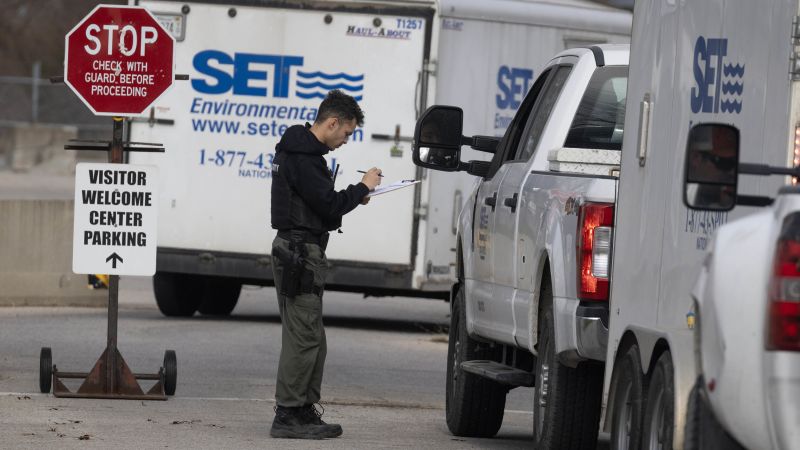
Three days after the detonation of volatile materials at an Iowa ammunition plant, a first series of preliminary tests conducted across the site show no elevated levels of lead in public water supplies, the Environmental Protection Agency announced early Saturday. “EPA found no lead in 38 water samples taken after the detonation from public water supplies, which included samples of treated drinking water and untreated water at the intake,” the agency wrote in a news release. “We will continue to provide updates in the coming days as new laboratory results from more than 3,200 air, soil, dust and water samples (collected before and after the detonation) quickly return and are validated,” he added. The results come after the U.S. military detonated nearly five tons of spoiled lead azide at its Middletown, Iowa, plant on Wednesday. The detonation sparked concern among residents, elected officials and environmental groups about the material’s potential effects on both people and the plains of Iowa and neighboring Missouri. Some of the results began arriving in the EPA database Friday night after officials spent days collecting samples to try to determine how much lead may have been deposited in surrounding areas. “EPA staff and contractors continue to work around the clock to collect samples, send them to laboratories, verify the results, and transparently communicate them to the public immediately,” the agency said Friday night. No lead was detected in the air near the plant about 30 minutes after the explosion, and tests conducted hours later showed the same result, the EPA said. But experts have cautioned that those results must be followed by additional testing, since they only represent one data point. Aerial testing by the EPA concluded after 30 hours with no detection of lead, the agency said on Day The Bureau of Alcohol, Tobacco, Firearms and Explosives has indicated that the materials were known to be degraded as early as 2009. In the days after the detonation, hundreds of EPA staff members collected more than 1,600 samples of air, water, soil and dust at more than 180 structures, the agency said in a post on X. Those samples will be compared to the 1,600 collected before Wednesday’s explosion. As of Friday night, 88% of post-detonation sampling was completed at previously sampled homes, the EPA said. Environmental groups tried to stop the detonation with a lawsuit. They were granted a temporary stay, but a three-judge appeals court panel ultimately decided to allow the explosion to go ahead. Although the lawsuit failed to stop the detonation, environmental groups have vowed to hold the government responsible for the ensuing cleanup operation. Before Wednesday’s detonation, federal agencies, from the EPA to the Federal Emergency Management Agency, rushed to the small Iowa town to try to evacuate residents safely and prepare for possible impacts. Residents were given the “all clear” to return to their homes on Wednesday night.