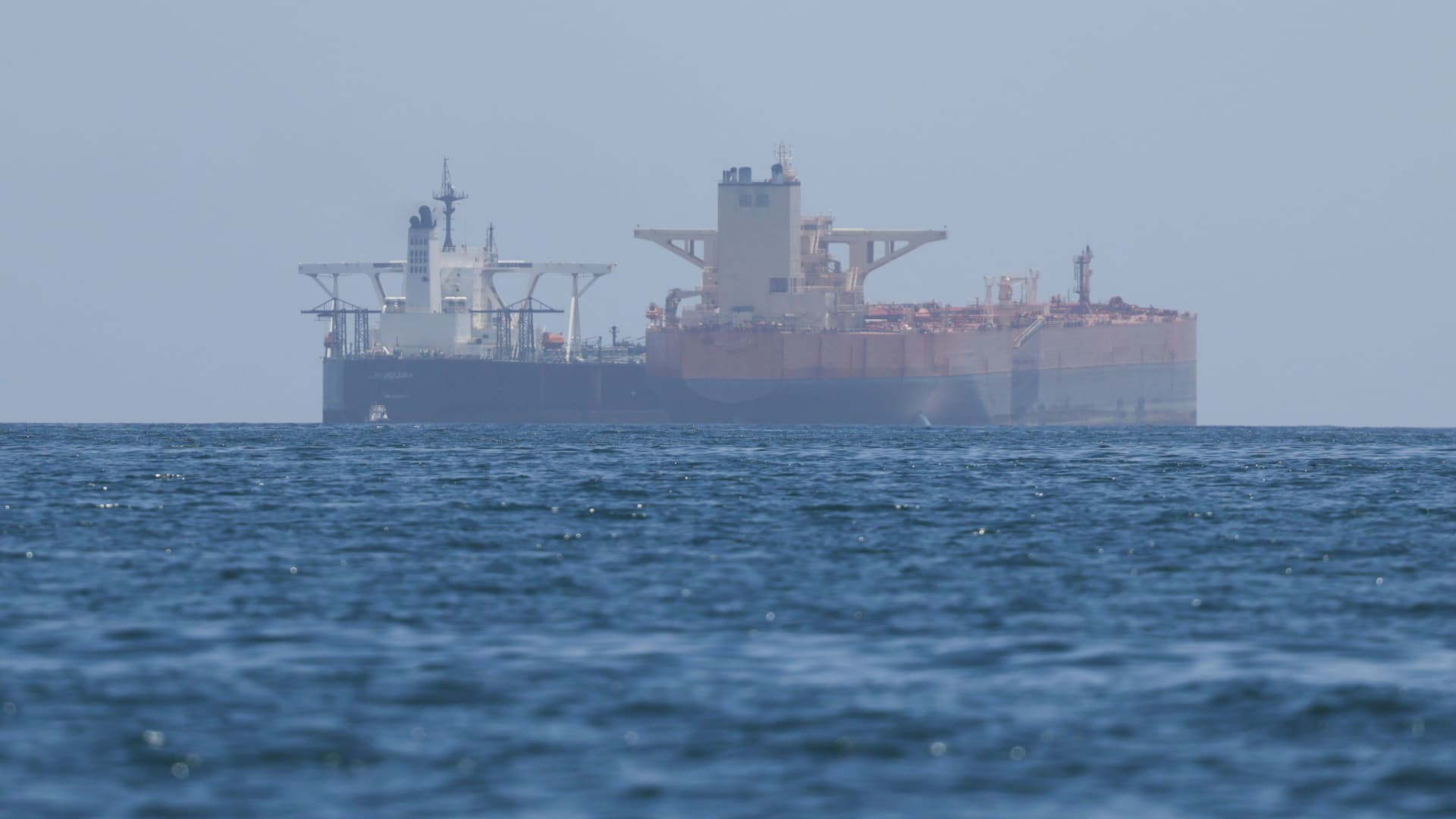
Oil prices extended their slide into Thursday as concerns about supply disruptions eased following attacks on Saudi Arabia’s key East-West pipeline. Brent futures, the international benchmark, fell slightly to $105.81 per barrel, while US crude oil fell 0.22% to $102.14 per barrel. Saudi Arabia is making additional crude cargoes available to Asian refiners through ship-to-ship transfers near Oman’s Sohar port, helping to cushion the impact on global supplies of attacks on the kingdom’s East-West pipeline to the Red Sea, Reuters reported, citing sources familiar with the matter. U.S. Energy Secretary Chris Wright told CNBC on Tuesday that the disruption to the East-West pipeline was a “brief, temporary disruption” that “will be measured in days,” easing concerns about supply. at Saudi Arabia’s Red Sea export terminal in Yanbu were suspended and Riyadh canceled some shipments to European customers. Yanbu has become Saudi Arabia’s key route for oil exports since Iran began blocking the Strait of Hormuz following US and Israeli attacks on the country in late February. Peter Massabni, head of business development at XS.com, said in a note late Wednesday that Saudi Arabia’s efforts to find alternative export routes following the disruption at Yanbu have assured markets that some of the lost crude supply could return. However, he cautioned that the outlook remains largely dependent on developments in the Middle East. A further escalation causing deeper disruptions to regional oil and gas production and exports would keep inflation risks elevated and put further upward pressure on bond yields, Massabni said. “This uncertainty about escalation trajectories in the region, along with crude oil, gasoline and diesel prices remaining at high and critical levels, could fuel pessimism about the path of the US Federal Reserve’s monetary policy,” he wrote.