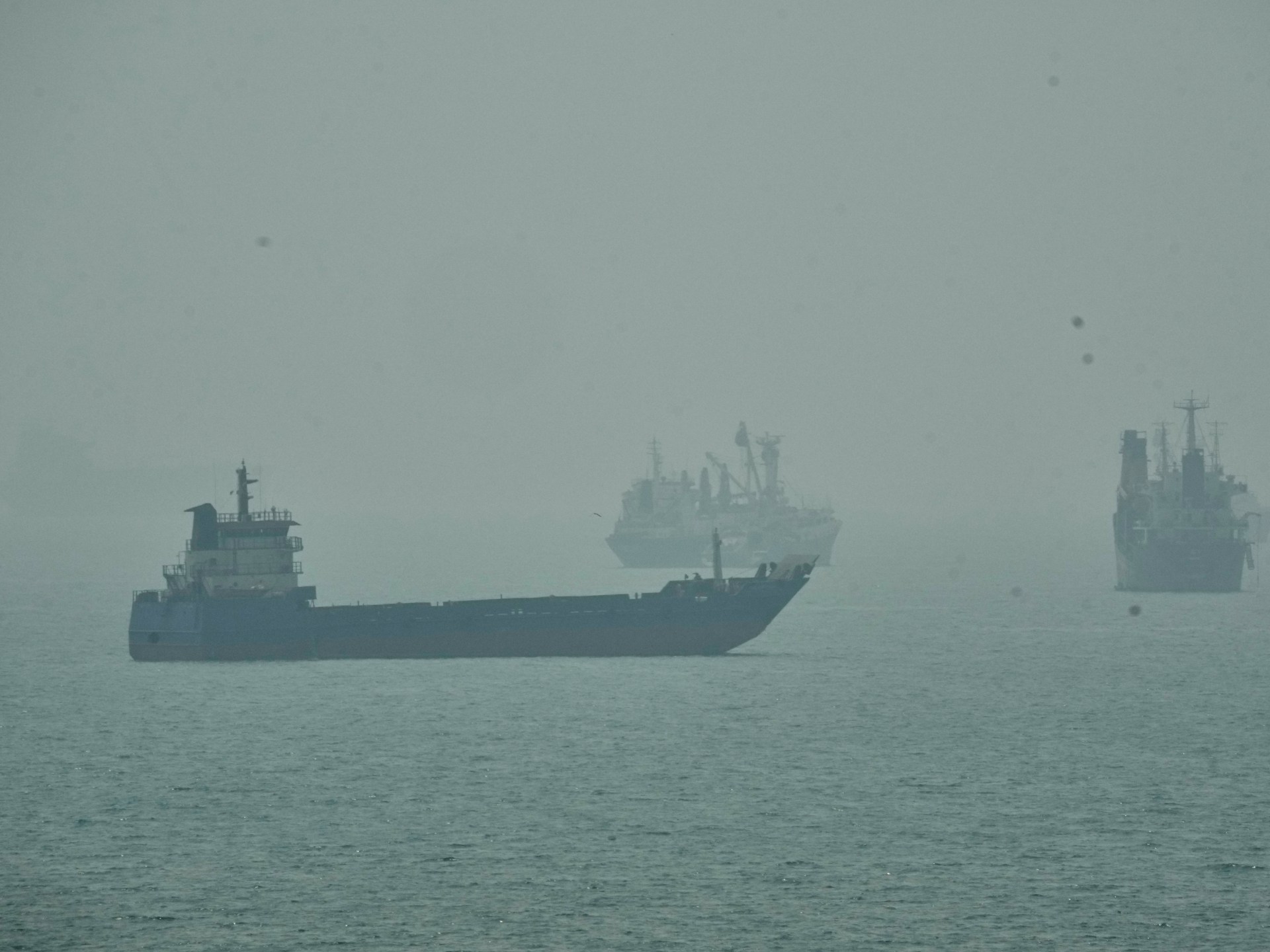
Brent crude oil rises more than 3 percent to exceed $107 a barrel as Washington rejects Tehran’s proposal to end the war. Posted on September 28, 2026 September 28, 2026 Oil prices have risen sharply following US President Donald Trump’s rejection of an Iranian proposal to reopen the Strait of Hormuz in seven days. Brent crude, the international benchmark, rose more than 3 percent on Monday, approaching $108 a barrel during trading in Asia.Recommended Stories list of 4 articlesend of listAfter falling in the afternoon, Brent futures for November were trading at $107.35 a barrel shortly before 08:00 GMT. Asia Pacific’s major stock markets had a mixed session after Wall Street ended the week at highs on Friday with a 0.5 percent gain for the benchmark S&P 500 index. Japan’s and South Korea’s Nikkei 225 and Kospi benchmark indices fell 0.73 percent and 2.70 percent, respectively. Hong Kong’s Hang Seng Index rose 0.54 percent, while Australia’s S&P/ASX 200 rose 0.17 percent. The latest market volatility comes after Trump said on Saturday that Tehran’s latest proposal to end the US-Israel war against Iran was not acceptable. Under Tehran’s proposal announced at the United Nations General Assembly on Friday, the United States would release frozen Iranian funds. lift sanctions and end its naval blockade of Iranian ports in exchange for Iran reopening the strait and returning to negotiations over its nuclear program within a week. Before the United States and Israel launched attacks on Iran in late February, about a fifth of the world’s oil supplies flowed through the Strait of Hormuz, which links the Gulf to the Gulf of Oman and the Arabian Sea. Commercial shipping on the waterway has declined sharply since the start of the war amid a series of attacks on ships. in the Gulf, most of which have been attributed to Iran or allied groups. Vessels made 132 transits through the strait from September 21 to 27, compared to 116 the previous week, according to the maritime intelligence platform MarineTraffic. Before the start of the war, the waterway saw approximately 130 crossings each day.