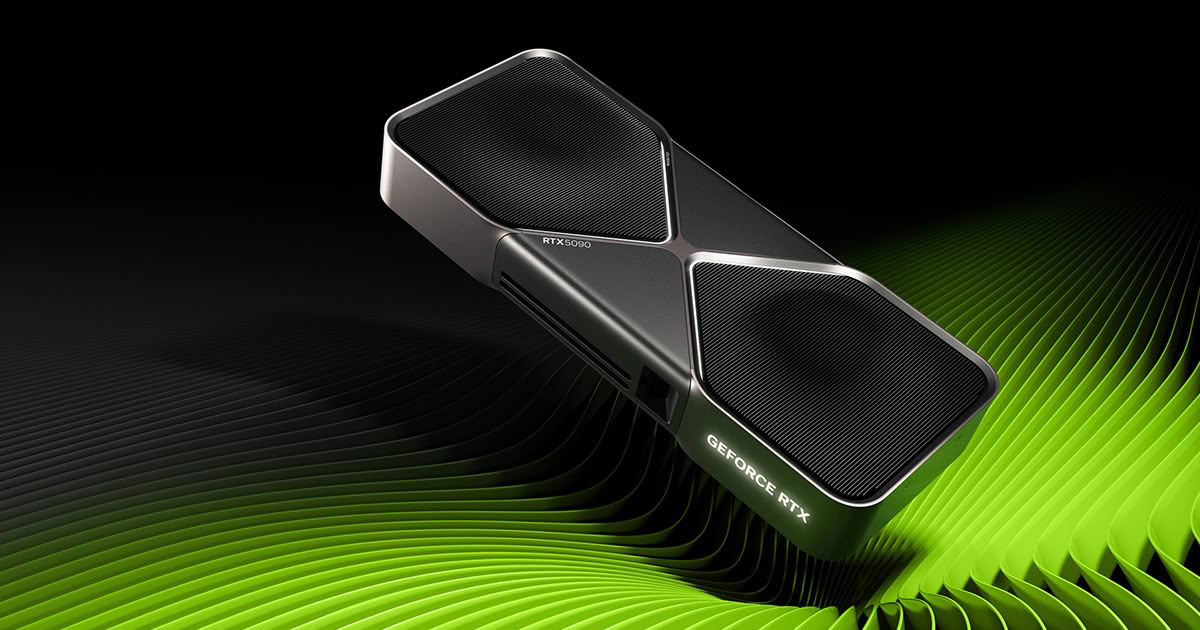
NVIDIA has reportedly stopped allocating GB202 silicon to the GeForce RTX 5090, according to leaker MEGAsizeGPU (@Zed__Wang) on GB202 is the largest “Blackwell” graphics chip and the RTX 5090 doesn’t even max it out. The same chip powers the 96GB RTX PRO 6000 with 24,064 CUDA cores, as well as the recently introduced RTX PRO 5500, which combines the RTX 5090’s 21,760 CUDA cores with 84GB of memory. Apparently, NVIDIA would rather put every GB202 it receives into those much more expensive workstation cards. The company has not confirmed any of this as of this writing. A second leaker, hongxing2020, posted “5090 EOL, 5080 24GB ready” along with an apparent factory notice that said NVIDIA will no longer sell any RTX 5090 models, including the D variants in the Chinese market. The same notice says that a 24GB RTX 5080 will become the top GeForce card and the 16GB version will be discontinued. That sounds a lot like the RTX 5080 SUPER, which was rumored to have 24GB of GDDR7 on the same GB203 chip, although it’s unclear if the two are the same card. SUPER cards reportedly arrived at board partners in July, but were put on hold due to the GDDR7 price. As for the RTX 5090, I doubt NVIDIA will formally call this an end-of-life (EOL) move, as the chips are simply being redirected to a more profitable product line. RTX 5090 buyers were already having a hard time. The card launched in January 2025 at $1,999, and last month European listings topped €5,000, while Walmart sold out at $4,299. Cards built from GB202 chips that partners already have could continue to appear for a while, although it’s reasonable to expect prices to rise even further once supplies run out. Of course, the RTX 5090 wasn’t a gaming card for most people at the time, as AI companies reportedly snapped up stock in bulk before it hit gaming retail. With the RTX 60 series reportedly coming in 2028, the RTX 5080 24GB may remain the fastest GeForce card in production for a long time.