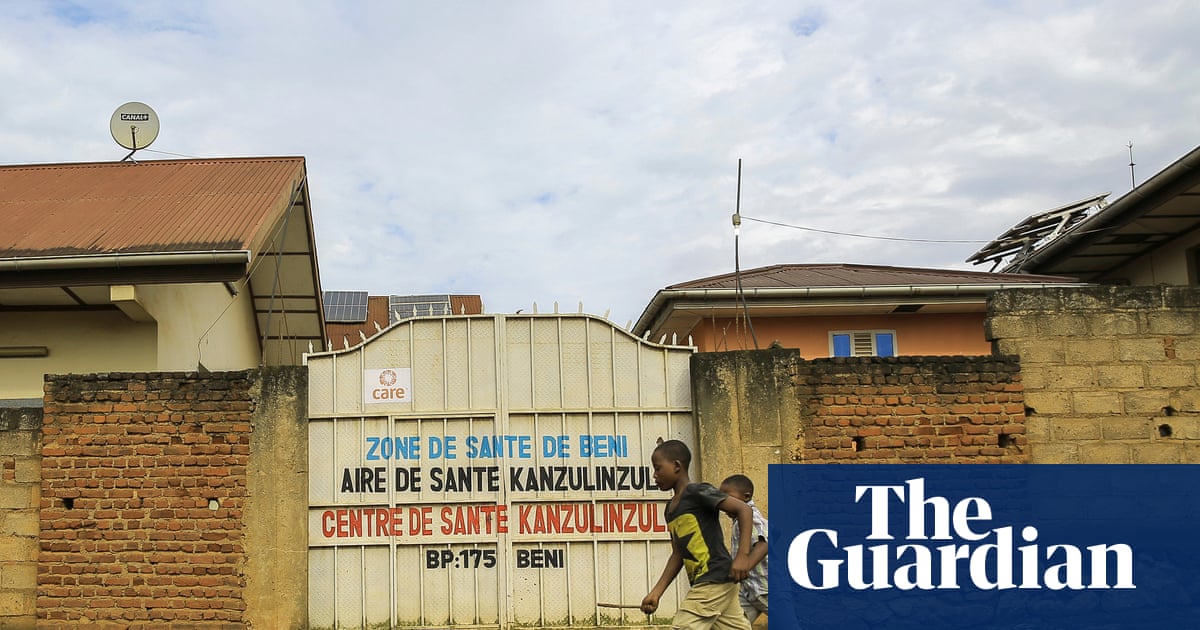
Nigeria confirmed a case of Ebola in its capital, Abuja, after a woman who arrived from Uganda tested positive for the virus, the Health Ministry said. The woman began showing symptoms on October 7 and was admitted to an Abuja hospital four days later, where she was later diagnosed with Ebola. It is unclear when he arrived in Nigeria, Africa’s most populous country. Health Minister Muhammad Pate said authorities had begun tracing 44 people identified as contacts of the patient. “We are doing everything we can to contain this case by tracing all contacts the individual may have had,” he said. Uganda’s Health Ministry said the patient had only transited through Uganda and was a Nigerian woman who had been on a business trip to eastern Congo. Nigerian authorities have not revealed his nationality. “Travel through Uganda does not prove that the infection occurred here. The exposure site remains under investigation,” the ministry said in a statement. The ministry insisted that Uganda “has no confirmed active cases of Ebola.” Nigeria is the latest country to report an Ebola case as the outbreak spreads across the region. Kenya confirmed its first case earlier this month and has since recorded nine infections. Uganda had previously reported cases of Ebola but later declared itself free of the virus. Health workers on the front lines of the Ebola response receive vaccines in Beni, Democratic Republic of the Congo. Photograph: Gradel Muyisa Mumbere/Reuters Dr Jean Kaseya, director-general of the African Centers for Disease Control, said in X that “we are facing an extremely serious threat”, with a mortality rate of almost 50% of cases. “This Ebola outbreak in Bundibugyo has already become the most geographically extensive in history, affecting several countries spread across three regions of Africa,” he said. The Nigerian Center for Disease Control said two weeks ago it was intensifying surveillance following the detection of Ebola in Kenya and strengthening “These efforts have focused on early detection, isolation and referral, laboratory diagnosis, infection prevention and control, contact tracing, risk communication and protection of health workers,” the agency said. Nigeria established an Ebola task force in June after the outbreak in Congo in mid-May. 4,600 people. The latest Ebola outbreak is the fastest-spreading on record and is on track to surpass the deadliest on record: the 11,000 people who died in the West African regional outbreak between 2014 and 2016, the WHO said.