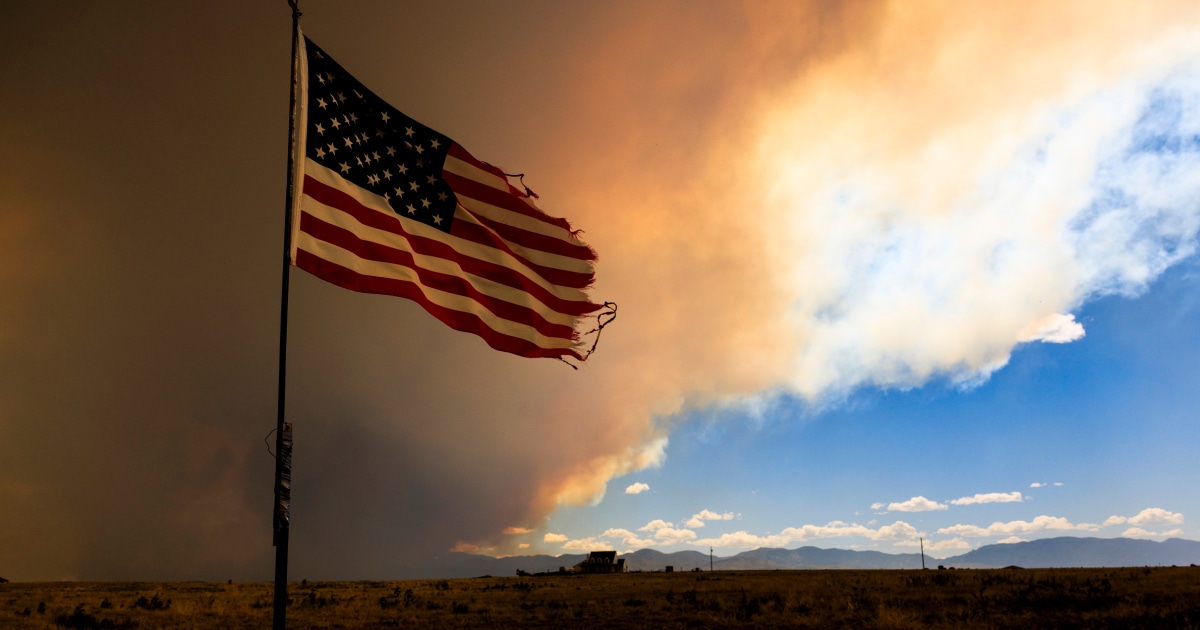
WASHINGTON — The Supreme Court began a new term Monday, as the justices wrestle with an attempt by oil companies to dismiss lawsuits alleging they should pay damages for the impacts of climate change. Although the case concerns a specific lawsuit that the city and county of Boulder, Colorado, filed against Exxon Mobil and Suncor Energy, the final decision could have broad ramifications for more than two dozen similar lawsuits filed by cities and counties across the country. The justices, without a ninth member because Judge Samuel Alito, recused, asked difficult questions of both sides as they addressed broad legal questions raised in the case. Alito’s absence raises the possibility of a 4-4 split ruling that would leave the legal questions unresolved while allowing the Boulder case to move forward. Boulder officials say they face rising costs due to the impacts of climate change, including efforts to minimize wildfire risks. This summer alone, Colorado has experienced extreme heat, drought, and multiple fires. The lawsuit, which brings claims under state law, says Exxon and Suncor misled consumers about the impact greenhouse gases produced by their products would have on the climate. The companies deny the allegations and warn that if Boulder’s lawsuit and others like it manage to advance to trial, they and other energy companies could face devastating billions of dollars in damages. They also argue that climate change is an inherently national and international issue that cannot be litigated in state courts. There was some sympathy from the court toward the oil companies and the possibility of substantial damages. “Just to make sure I have a correct understanding. Presumably, if you prevail, the next day a municipality in every state will file a lawsuit,” he told Boulder attorney Kevin Russell. Although Boulder’s claims are based on consumer deception, Roberts also seemed skeptical that the lawsuit was anything more than what he called “an effort to reduce emissions.” Companies from other states for a supposedly harmful product is common. Other judges also seemed conflicted. Liberal Justice Elena Kagan at one point compared climate litigation to the wave of lawsuits against tobacco companies and drug makers that sold opioids, which were allowed to proceed. Oil companies have rejected such comparisons, saying that in the tobacco and opioid litigation there was a much more direct connection between the product and the alleged harm to consumers.