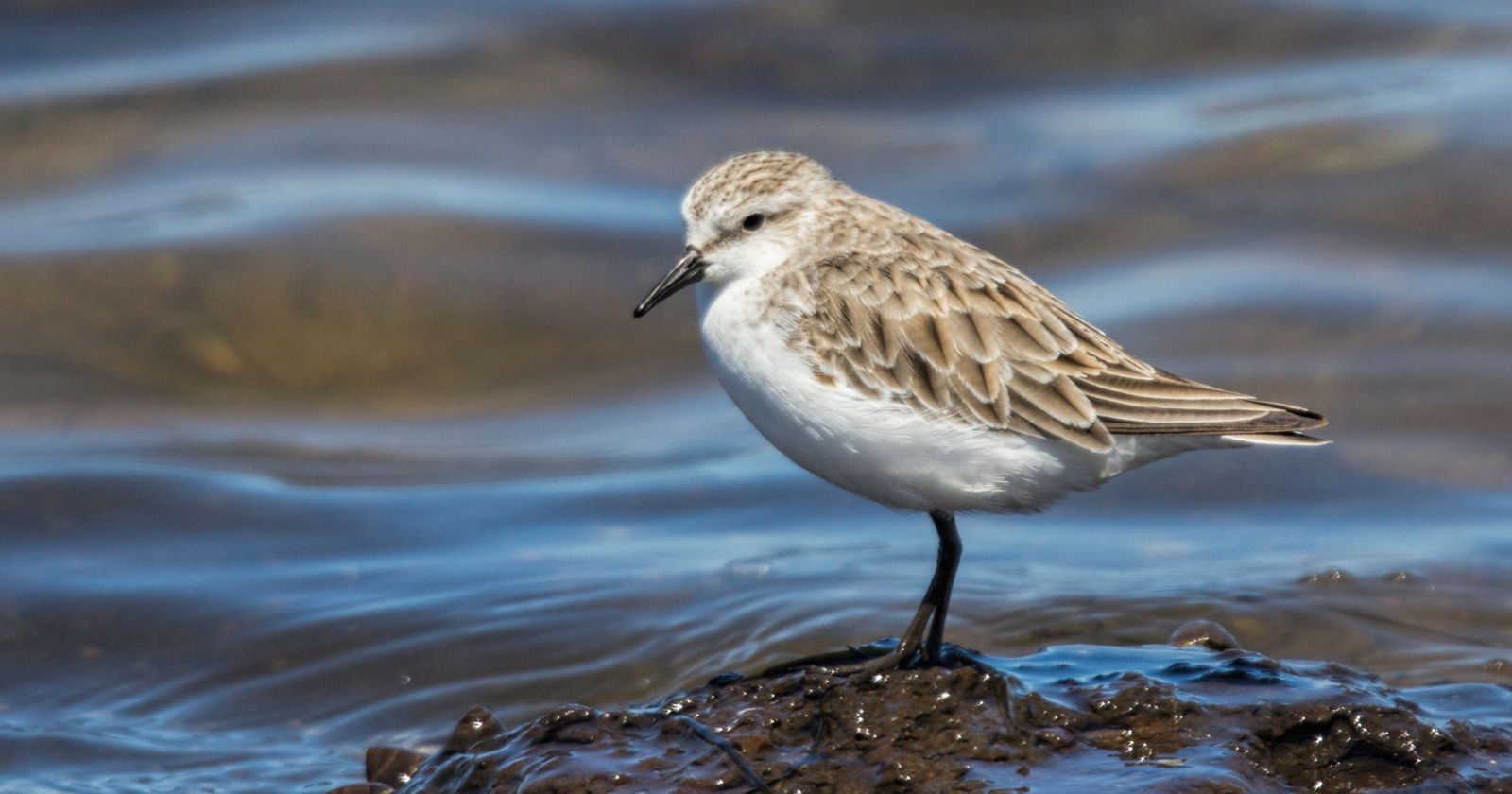
Melbourne’s largest wastewater treatment plant is also one of the best places for bird watching in Australia. About 300 species appear there, and some of them fly in from Siberia. In the 1880s Melbourne had a problem it could no longer ignore. Open sewers emptied into the Yarra River and Hobsons Bay, and cholera and typhoid spread through the city with grim regularity. In 1888, a Royal Commission examined the mess and pointed to a solution that sounds crude now and, in its own way, was bold then: send the sewage out of the city and let the land deal with it. The Melbourne and Metropolitan Board of Works began purchasing land at Werribee, to the west of the city, and in 1897 Werribee Farm opened as Melbourne’s first sewage treatment plant. The 1897 solution: why paddocks and why Werribee The choice of Werribee was not random. The board wanted low rainfall and soils that would absorb a lot of water without turning into swamps, and the flat land west of the city fit the bill. The first method was soil filtration, which is exactly what it sounds like. The wastewater flowed downhill along a large culvert to the farm, where the ground had been leveled into paddocks and flooded in a repetitive cycle, so that the soil and grass could percolate. Then, cattle and sheep grazed on the pastures that arose later. It used a lot of land to avoid using a lot of technology, and for its time it worked. The city stopped dumping its waste directly into the river. That decision, to spread the problem over a huge flat expanse instead of accumulating it in one place, is where everything else goes back. How the plant works now The old flooding method has practically disappeared. Today, sewage is cleaned into modern ponds rather than flooding paddocks, but the sheer size of the site is still in the news. The site covers around 10,500 hectares, which Melbourne Water compares to Phillip Island. About half of everything Melbourne discharges and drains is consumed, typically about 500 megaliters a day. A plant this size doesn’t just process water. It maintains a permanent and reliable network of shallow ponds, lagoons and wet banks extending over thousands of hectares. In a dry country, in a dry part of a dry state, that is rare and constant. The birds figured it out long before most people. How a sewage farm became a great place for birds Many species of birds have been recorded here. Melbourne Water’s own figure is more than 300 species. For a single site, that’s a big count, and a good portion of the birds come from very far away. The highlight is the red-necked stint, Australia’s smallest and most abundant migratory shorebird, a bird that weighs as much as a few coins. Up to 8,000 of them appear in September, coming from their breeding grounds in northeastern Siberia. William Steele, Melbourne Water’s chief biodiversity scientist, explained the journey clearly: “Some of the migratory species, such as the red-necked sandpiper, sharp-tailed sandpiper and curlew sandpiper, fly around 12,000 kilometers from their breeding grounds in Siberia.” What that bird needs at the end of such a flight is not a pretty view. It needs shallow water, exposed mud, and a constant supply of the tiny creatures that live in both. A large wastewater treatment plant, operating all year round, produces exactly that, in quantity and within a given time frame. The plant can’t stand the season. You’re using it the same way you would use an ideal natural estuary, and there aren’t many left intact along this coast. The permit puzzle: A working plant that is also a protected wetland The site was named a Ramsar-listed wetland of international importance in 1983. Ramsar is a global treaty that identifies wetlands worth protecting. The result is a true rarity: a living piece of urban infrastructure, also protected by an international treaty for its birds, managed by the same organization, on the same land and at the same time. That double identity is the reason you can’t just walk in. You need a permit or an authorized guided tour, and a single-visit permit costs about $20. It is a working plant, with the safety and disease control concerns that entails. Still, Melbourne Water wants people to come when they can. Steele has said that the migration is “quite notable and we encourage the public to take advantage of any opportunity to visit the site with bird watching groups.” This is the organization talking about its own site, but the excitement is easy to understand once you know what’s showing up. What we took away from a crash turned habitat The people who collected Werribee in the 1890s probably weren’t thinking about migratory shorebirds. They were thinking about typhoid fever and removing sewage from the Yarra. Birdlife is a side effect, an accident of scale, water and constant management that no one set out to build. We keep coming back to how often good habitat is now found within functioning infrastructure rather than in the wild. As natural wetlands along the coast were drained and rebuilt, a wastewater plant retained the shallow water and mud that a small bird from Siberia needs to survive a flight around the world. The habitat does not always seem deserted. Some of the best shows up in the places we build to manage our own mess. About this articleThis article is for general information and reflection. It is not professional advice. For your specific situation, consult a qualified professional.