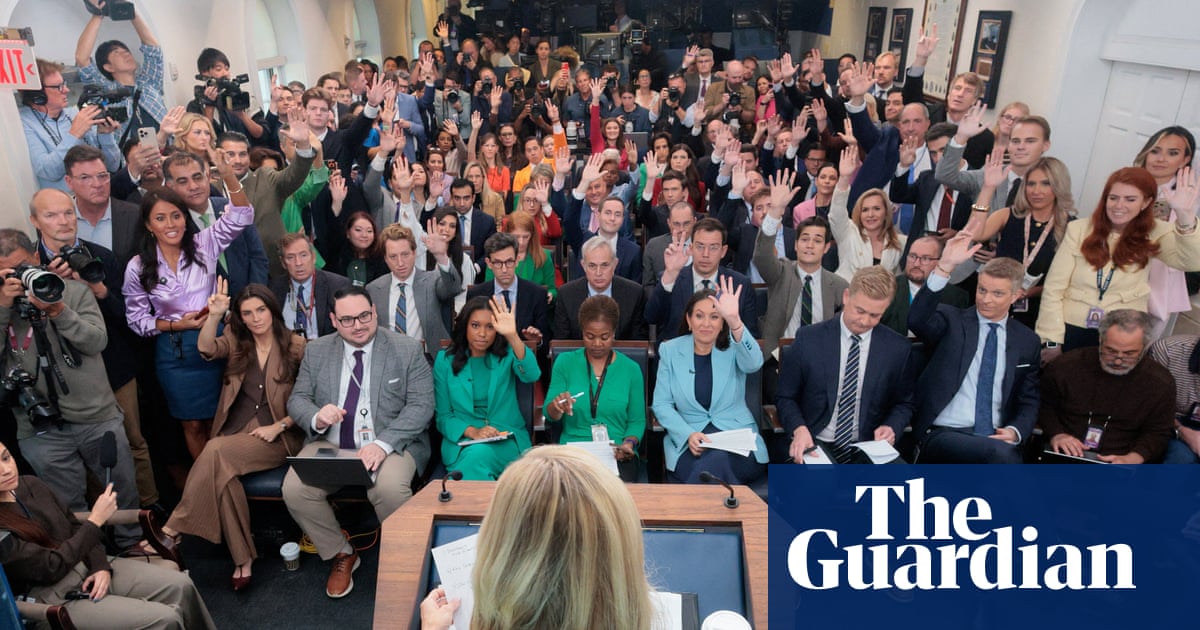
A federal judge on Tuesday ordered the White House to continue allowing journalists from CNN, MS Now and Politico access to the building while the media coalition’s lawsuit against the Trump administration plays out. Timothy Kelly, a district court judge, had on September 24 granted a 14-day reprieve to news organizations, which six days earlier had been banned in an extraordinary measure by the president from entering the White House grounds “as a result of their continued ‘reporting’ FAKE NEWS.” “President Trump) and his agents, representatives, and all persons or entities acting in concert with them, will not execute, implement or enforce the decision of September 18, 2026 to revoke the White House ‘hard pass’ press credentials held by employees of CNN, MS NOW and POLITICO, thereby maintaining the status quo since the Court issued a temporary restraining order on September 24, 2026,” the judge wrote in granting an injunction. preliminary request by the plaintiffs. The organizations filed a lawsuit on September 21 seeking to overturn the ban as a violation of their rights under the U.S. Constitution. But that temporary restraining order expired on Tuesday, leading the media companies to court late last week to seek a preliminary injunction that would lift the ban for the duration of the lawsuit, which could take months. During arguments in the E Barrett Prettyman Federal Court in Washington, Kelly seemed inclined to lift the ban indefinitely, telling a federal government lawyer that his side had “a notification problem” that was “probably the biggest hurdle” they had to overcome. The Trump White House gave no advance notice to the affected media companies to say they risked losing their press credentials, which news organizations say are essential to their ability to cover the administration. While the White House sent letters to media companies informing them of the ban, they did so after the fact, after access to the building had already been cut off, in violation of binding judicial precedent. In his ruling Tuesday, Judge Kelly wrote that the plaintiffs “are likely to succeed not only on their due process claim, but also on their two First Amendment claims.” While access to the White House is not guaranteed, judicial precedent dictates that once it is provided to journalists, it cannot be withdrawn for editorial or viewpoint-based reasons. During arguments for a preliminary injunction on Oct. 8, media lawyer Theodore J. Boutrous told the judge that Trump had offered a “confession” — in an interview with Time magazine last week — that he was banning media companies explicitly because of the content of their reporting, not because of other considerations, such as national security. The case has been strengthened for the plaintiffs by President Trump,” Boutrous told the judge. The judge appeared to agree. “President Trump’s own comments suggest that he intended to revoke the plaintiffs’ hard passes to alter their reporting on him, strengthening the case that his action here is sufficient to deter a reporter of ordinary firmness from reporting in the same way he had before,” he wrote. Although the White House has largely adhered to the judge’s earlier ruling that restores access temporarily, CNN and Politico journalists have sometimes been prevented from doing “shared work” (covering the president’s daily activities) because the administration has interpreted the judge’s temporary restraining order as requiring only access to the White House complex, not to smaller spaces like Air Force One or the Oval Office. The court, he added, “was right to prohibit the White House from enforcing this ‘unconstitutional ban on freedom of the press’ for the foreseeable future.”