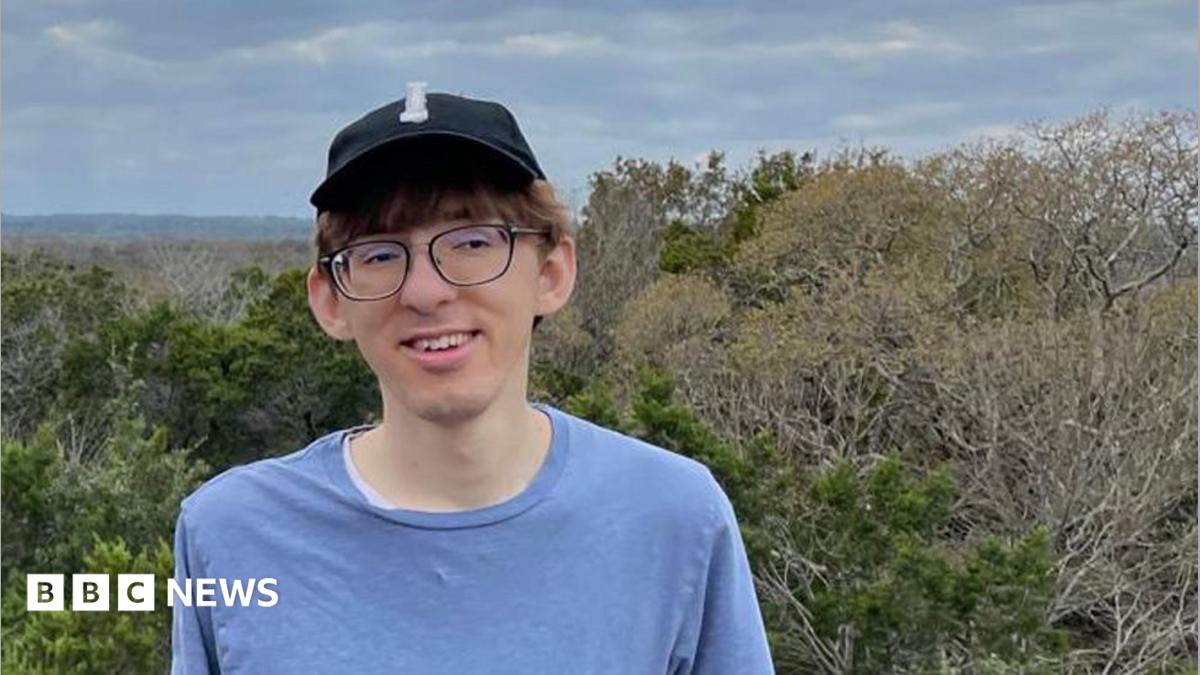
We met Gillies at the Jehovah’s Witnesses UK headquarters, set in 85 acres of the Essex countryside. It is a vast modern complex where hundreds of voluntary followers of the faith live and work without pay. He insists that basic teaching has not changed and that whole blood transfusion is still prohibited. However, for decades, most transfusions have not used whole blood, but rather specific blood components that the patient needs. The change is justified by allowing the use of blood components, such as plasma, red blood cells and platelets, in the large number of medical procedures that were previously prohibited. Gillies says the Bible refers to “abstaining from blood,” but not to “various components that could be extracted from blood.” He says the Governing Body considered it their duty to avoid “overreach” of Scripture and apply only what was specifically described in the Bible. But that explanation has surprised many and led them to wonder whether it was a gross overreach to ban blood transfusions 81 years ago, when transfusions are not specifically mentioned in the Bible. Others also wonder why it has taken so long to reach this landmark decision, given that transfusions that do not use whole blood have been the norm for decades. Isaac.Jacob, who had already abandoned the Jehovah’s Witness faith in which he was raised, sent text messages to prominent figures in Isaac’s congregation in Texas after Isaac’s death. The messages are full of anguish and are painful to read. He asked them to consider “the role they played in encouraging so many people to sacrifice their lives for something that was never God’s will.” Most did not respond, but one “elder” responded saying he couldn’t understand why Jacob was so angry and obsessed with the policy change. All of this further angered Jacob, who particularly wants the faith’s decision makers to be held accountable for all the lives lost. “I want to ask them if they can apologize directly, I would like a deflected response, just a direct apology,” he says. It is extremely difficult to say how many Jehovah’s Witnesses, among the faith’s estimated nine million followers worldwide, died each year because they refused treatment that included blood transfusions. But a 2016 medical journal investigation, The Obstetrical & Gynecological Survey, put the number at around 1,100. “We are empathetic with their feelings, and if people have lost family members and are concerned about some of these questions, they deserve to be heard with compassion,” says Gillies. But there was little clarity about why the change did not come sooner. “A magical change has occurred,” says Gillies. And when asked, Gillies deflects calls for leaders to apologize, saying that many lives had, in fact, been saved because faithful Jehovah’s Witnesses had not been exposed to blood contamination scandals. Also He insists that even after the new edict, some Jehovah’s Witnesses could still decide that they did not want to accept a transfusion, and that could have been the case even if the edict had come years ago. In fact, the BBC spoke to Alex Ball, 58, a Jehovah’s Witness from West Sussex, who says that in 2012 a doctor told him that he would not survive the chemotherapy he needed to treat his blood cancer unless he also received a transfusion. His counselor in the UK agreed to treat him using the new method and it worked. More than a decade later, Alex says he would make the same decision again, despite the change in blood policy that would have allowed the transfusions he had been told he needed. her aunt, who died, because of the rules.