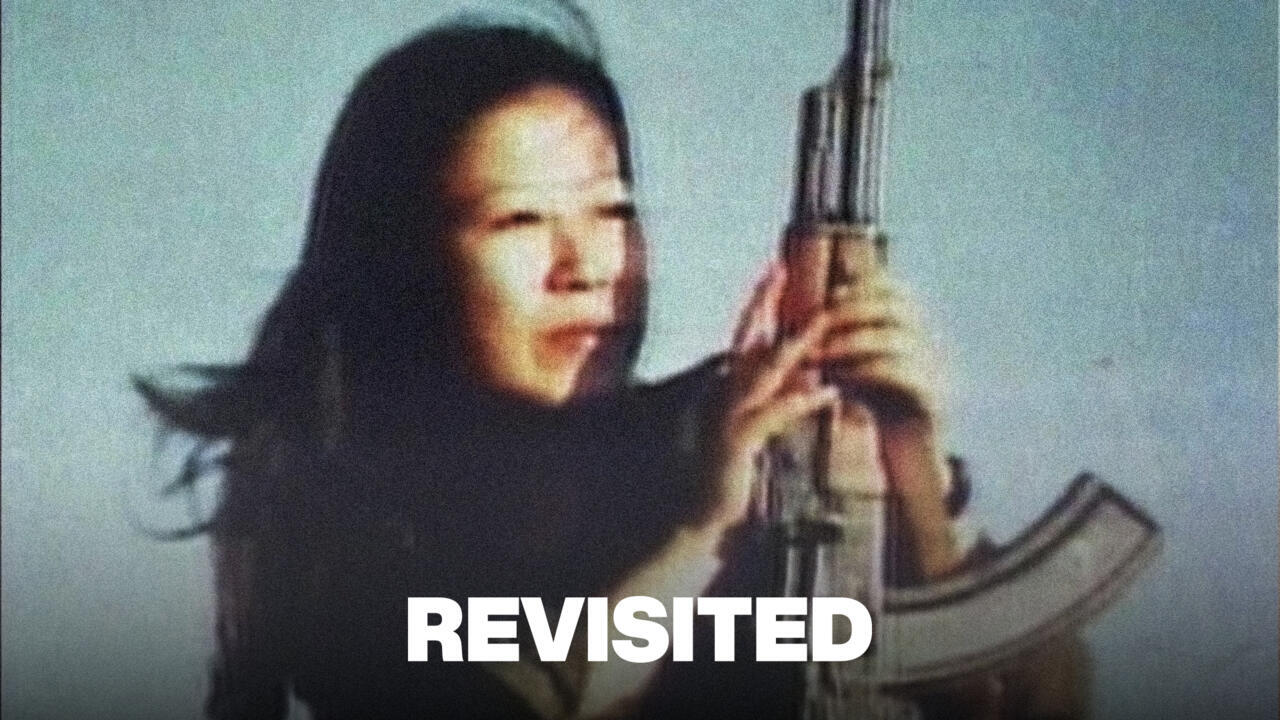

Our correspondents delve into the history of the Japanese radical left in the 1970s. From the United Red Army to the Japanese Red Army, various movements resorted to armed struggle and violent action. More than half a century later, our team met with two former militants. In the late 1960s, Japan experienced a wave of student and labor unrest. At the end of the decade, a small group of far-left activists became even more radical, with violent results. They founded the Red Army Faction and went underground. Persecuted by the police, some took refuge in the mountains of central Japan in the early 1970s to prepare for armed struggle under the new name of the United Red Army. But the first victims would be from their own ranks: 12 activists were executed during internal purges, in sessions of self-criticism that led to lynchings. Then came the Asama Lodge incident: hostage taking, a 10-day siege and live coverage on Japanese television. The event traumatized the public and marked the end of the revolutionary student movement. But at the same time the fight continued abroad. A second group, based in Lebanon to support the Palestinian cause, adopted the name of the Japanese Red Army. It was led by a woman, Fusako Shigenobu, the so-called Red Queen. Members of that group were notably responsible for the 1972 attack on the Tel Aviv airport, which left 26 dead. Decades later, our correspondents in Japan managed to meet with the Red Queen, who spent many years in prison. Report by FRANCE 24’s Alexis Bregère, Mélodie Sforza, Ayana Nishikawa and Aruna Popuri.