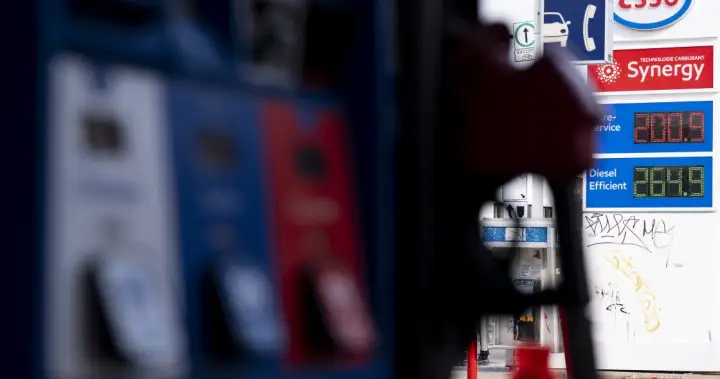

Gasoline prices remain elevated around the world as a result of the war with Iran, and some temporary relief at the pumps for Canadian consumers is expected to end next month when the fuel excise tax pause expires. It’s not yet clear if the federal government plans to extend the pause, but if it expires next month, then it could end up costing even more to refuel. Ottawa launched the temporary measure in April, which eliminated the federal retail gas consumption tax in Canada until September 7. “It provides at least some mitigating factors in terms of higher prices, but it has not been able to stop the stampede towards higher prices that has cascaded through the rest of the economy.” The Iran war severely limited global oil supplies, with the Strait of Hormuz shipping channel in the Persian Gulf region, which normally receives about a fifth of the world’s crude oil and other supplies, essentially closed to cargo traffic for fear of attack. This is in addition to the significant damage caused to neighboring oil, gas, energy and shipping infrastructure and facilities. The price of U.S. oil, known as West Texas Intermediate, was around $82 a barrel at press time, down from a recent high of around $83 on Wednesday and $75 a week earlier. the same time last year. Related Videos 2:19 National group representing taxpayers calls on federal government to curb gas tax Previous video Next video The prices consumers pay for retail gasoline and diesel are based on a combination of factors, including global crude oil supply and demand expectations, as well as various taxes and other charges that companies can pass along to consumers. Story continues below advertisement The federal excise tax is levied on products like gasoline separately from other taxes like the HST, which is still in effect. Get the latest national news Get the latest Canadian news delivered to your inbox as it happens so you don’t miss any breaking news. McTeague says reinstating the excise tax could mean an increase of about 10 to 11 cents per liter, depending on the region, and that’s independent of other factors that can change the price. Without broader geopolitical and economic influences on consumer gasoline prices, there are also more predictable seasonal changes. Most fuel manufacturers must change the composition of their products depending on the time of year, and the fall and winter months demand different performance needs from summer gasoline blends. In Canada they are pumping summer gasoline, which is formulated to reduce air pollution in warmer climates, and is comparatively more expensive than winter blends. When temperatures begin to drop, winter gasoline is needed to help vehicle engines start more easily in freezing conditions. This is achieved by blending cheaper butane with the fuel and generally results in lower retail prices for the gas compared to summer blends. McTeague says the difference in price can be about eight or nine cents per litre, depending on the region. The transition to winter gas in Canada begins after September 15, a week after the excise tax is scheduled to return on September 7. [the federal government] restore that [the excise tax] on September 7, […] “On September 15, we return to formulating winter-spec gasoline, and that actually means we could see an uncomfortable increase for a week as a result of the federal government ending the temporary suspension of the excise tax. The excise tax on fuel after September 7 may be offset to some extent by a decrease in price about a week later, once winter fuel starts leaving retail fuel stations. 1:09 Poilievre calls on Carney to cancel the increase of the September gas tax. But there are more important global factors that could shake things up in the long term, and that comes down to the current oil supply risks from the Iran war. However, the risks to oil supplies around the world remain “substantial”, the IEA says, as it also expects demand to rise again next year. more. “In fact, there will be much higher prices for a longer time, and if we are not comfortable with these prices, we will have to get used to them for a while. “We have historically low inventory levels around the world and that will take months, if not years, to reconcile.” “I think the current government will extend and continue the suspension of the consumption tax, and I think the decisions at that time will really depend on where prices are going to go.” © 2026 Global News, a division of Corus Entertainment Inc.