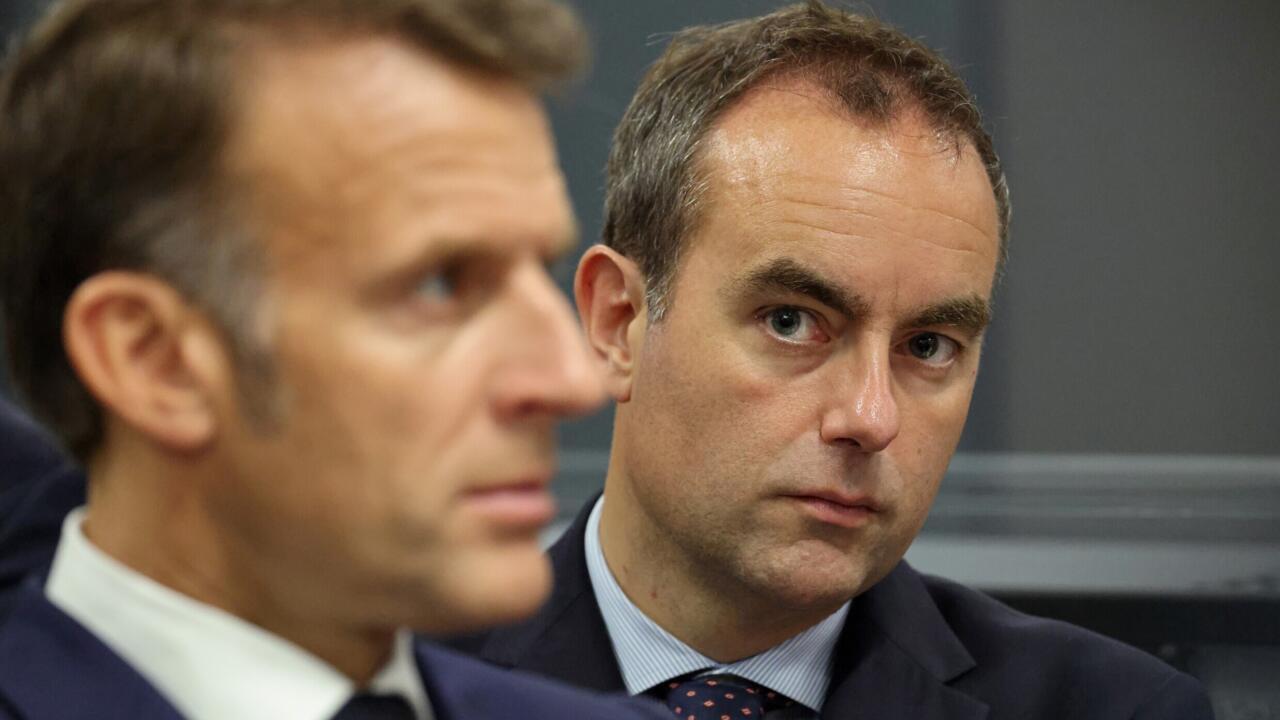

France’s prime minister promised Thursday that the government will reduce the country’s deficit next year by cutting public spending by 54 billion euros ($62 billion) in 2027. But Sébastien Lecornu insisted his plans did not amount to austerity, as high fuel prices spark renewed social tensions just months before the presidential election. Read moreFrench candidates are vying to stake the cost of living issue ahead of the 2027 vote. In an interview with business newspaper Le Figaro, he said the cuts will reduce the public deficit to 4.8 percent of gross domestic product excluding defense spending, and to five percent including military spending. The French government initially aimed to reduce the deficit from 5.1 percent of GDP last year, one of the highest in the eurozone and above the three percent limit set for EU members. But the government acknowledged Thursday that it will likely rise to 5.4 percent. The 2027 budget takes “a firm stance on cutting public spending in a country that depends too much on it,” Lecornu told Le Figaro. “It is a political risk, I am not unaware of it. But we are very far from austerity!” added the prime minister. The jump in global oil prices above $100 a barrel has led to record gasoline and diesel costs in France, prompting calls to demonstrate against the high cost of living. Seven months before the presidential elections and France’s economic situation worsening, the government fears a new wave of demonstrations such as the so-called yellow vest movement that spread across the country over increases in fuel taxes. Pensioners released Lecornu said retirees would only be asked to make a limited contribution to the cost-cutting effort. “No pension will be reduced,” he said. “Then the debate on the pace of the increases will be resolved in Parliament,” he added. French state pensions normally rise in line with inflation. Lecornu also ruled out freezing the level of many benefits. Public sector workers will not receive cost-of-living adjustments. The government will also allow income tax rate thresholds to increase, generating more income from individuals. But taxes on some companies will fall as the government moves to exclude them from an additional tax on larger companies. Concerns about the French economy, which contracted in the first quarter and stagnated in the second, have raised new concerns about the sustainability of France’s public spending and debt. Government bond yields have soared to levels not seen since the 2008 global financial crisis, raising the cost of financing the government’s debt, which is 117.5 percent of its GDP, to a level last seen in World War II. (FRANCE 24 with AFP)