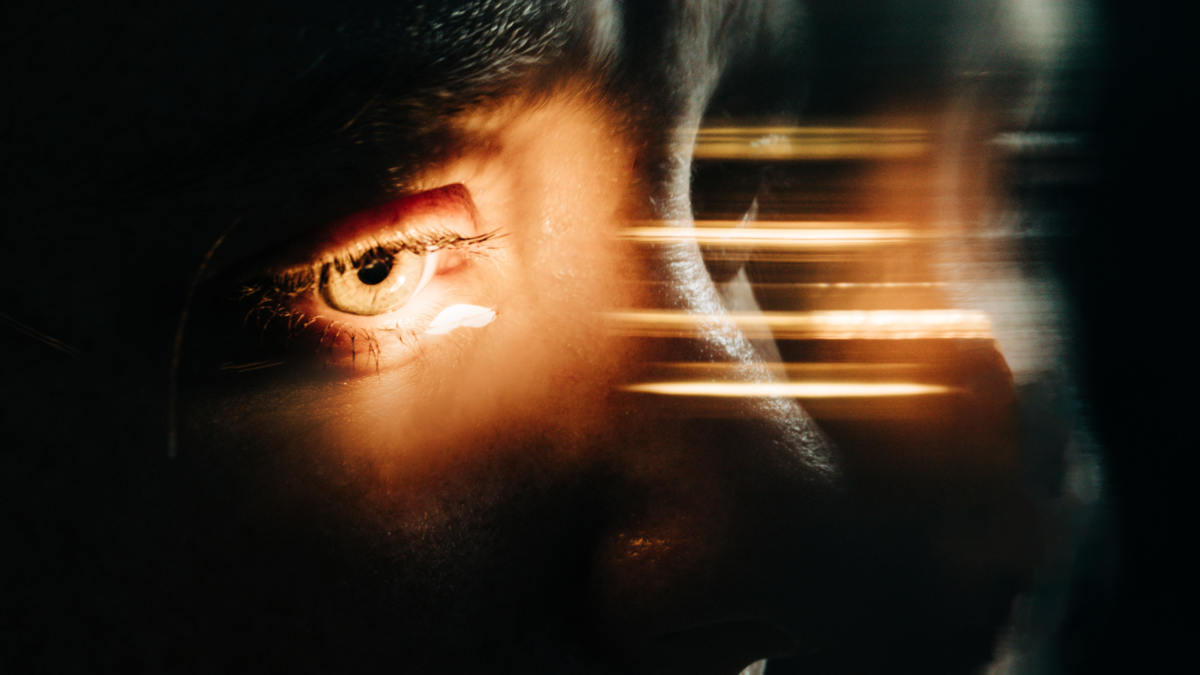
For most of us, memory fades. As the years pass, so can the timbre of a lost loved one’s voice, or the way sunlight falls on the windows of your childhood home. But for those who have been on the precipice of death and come back, some of the most lasting memories of their lives can emerge from the experience. The near-death experience has long accompanied humans, with accounts resembling near-death experiences, including the Myth of Er, described by Plato, dating back more than 2,000 years. The experiences themselves can take many forms, from a sensation of floating out of body, to traveling through a tunnel toward a bright light, meeting deceased loved ones, or watching life events flash before our eyes. It’s a phenomenon that has fascinated modern science for decades, not least because the memories recounted during a patient’s journey toward the liminal border between life and death often seem extraordinarily vivid. And over the past two decades, researchers have begun to uncover evidence that these memories may be more vivid than those. of the patient’s waking life, a finding that may hold one of the keys to how memories are created and cemented in our minds. Hints of the strange persistence of near-death memories surfaced in the scientific literature in a paper published in 2007. Psychiatrist Bruce Greyson of the University of Virginia Health System asked 72 participants who had completed a questionnaire about their near-death experiences in the 1980s to complete the same questionnaire two decades later. The responses remained surprisingly consistent over time, with few significant changes in the characteristics of their experiences reported almost 20 years earlier. But were these memories really unusually resistant to the test of time, or did their extraordinary nature simply encourage people to revisit them again and again, establishing their firm foothold in the mind? In 2013, a research effort led by neuroscientists Marie Thonnard and Vanessa Charland-Verville at the University of Liège in Belgium approached the mystery from a different angle. Instead of asking how people remembered their near-death experiences over time, they wanted to know how the strength of those memories compared to memories of events that occurred in the normal waking world. Their work was based on a specially modified version of the 15-question Memory Characteristics Questionnaire, a psychological research tool that assesses six aspects of memory: sensory detail, clarity, personal response, emotional information, how often the memory was revised, and confidence in the memory. They recruited 21 people who had recovered from comas, including eight who reported near-death experiences, in addition to 18 healthy volunteers. These participants rated five types of memories: old and recent real events, old and recent imaginary events, and a fifth memory determined by their group: an NDE, a coma-related memory, or an early childhood memory. Participants who reported near-death experiences rated their memories of those experiences as richer in detail than their memories of real and imagined events, even when the real events were emotionally significant. The memories of skirting the brink of death, they said, were clearer, more intense and left them with a much stronger sense of having gone through something meaningful. Here’s the disturbing part. The researchers also wondered whether revisiting memories, known as rehearsal, had influenced their relative strength. They found no significant differences in how often participants had revisited their near-death memories compared to memories of waking events. However, the Belgian study was small and involved only eight people who reported a near-death experience. In 2017, Greyson returned to the question, this time working with psychiatrist Lauren Moore to investigate the memories of 122 people who reported near-death experiences. Using the 38-item Comprehensive Memory Characteristics Questionnaire, they asked participants to compare their near-death memories with memories of real and imagined events from approximately the same period of their lives. The results echoed those of the Belgian team, despite the methodological differences. Once again, memories of near-death experiences were rated as richer than memories of real or imagined events, this time in a study involving more than 15 times as many people, using a much more comprehensive questionnaire. More recent research suggests that the richness of near-death memories may run deeper than how people perceive them. In 2020, another Belgian study, led by neuroscientist Helena Cassol of the University of Liège, took a closer look at memories themselves. They interviewed 25 people who had experienced a near-death experience and asked them to recount three different memories: their near-death experience, an ordinary autobiographical event, and a flash memory: the vivid memory of learning about a momentous event, such as the 9/11 attacks. The researchers then analyzed the stories, recounting details related to events, sensations, thoughts, and emotions. Surprisingly, near-death memories contained almost three times more of these details than ordinary autobiographical memories or flash memories. Memories also seemed to hold a special place in the lives of the participants. Of the three types of memories, near-death experiences were rated most central to their sense of personal identity. Meanwhile, the question of how long these memories last continued to intrigue researchers. In 2024, a study led by neuroscientist Charlotte Martial of the University of Liège followed survivors of prolonged intensive care stays, including 19 who reported near-death experiences. Although only 11 of those participants completed the one-year follow-up, their responses showed little change in the characteristics of their reported experiences, another tantalizing hint that these memories may be unusually resilient over time. We still don’t know what makes these memories so unusually long-lasting and so inextricably linked to one’s sense of self. We know that emotionally significant experiences can become deeply embedded in autobiographical memory, but the unusual characteristics of near-death memories suggest that there is still much to learn about how the brain constructs and preserves them. One avenue of research is to examine what happens in the brain when a person remembers one of these events. In a preliminary study published in 2026, led by neuroscientist José Alonso Ruiz of the Catholic University of Murcia in Spain, researchers used functional magnetic resonance imaging to observe the brain activity of 15 people as they recalled their near-death experiences. They found activity in several regions associated with autobiographical memory and self-referential thinking: the processes by which we remember our own lives and connect our experiences to our sense of who we are. The scans captured only the act of remembering, not the near-death experiences themselves. The results cannot tell us what happens in the brain at the brink of death, nor establish whether the remembered events are accurate. Scientists have yet to determine what these findings mean for our understanding of brain function, or how the extreme circumstances of impending death might affect the formation and preservation of memories. What the growing body of research does suggest, however, is that near-death experiences occupy an unusual place in human memory: memories that can remain exceptionally vivid, richly detailed, and deeply personal in even special ways. awakening memories do not, long after the events themselves have taken place. The research has been published in the following journal articles: Grayson, Resuscitation, 2007 Thonnard et al., PLOS One, 2013 Moore and Greyson, Consciousness and Cognition, 2017 Cassol et al., Frontiers in Psychology, 2020 Martial et al., International Journal of Clinical and Health Psychology, 2024 Ruiz et al., Resuscitation Plus, 2026 This article was verified by Fiona MacDonald and edited by Fiona MacDonald. While we take pride in our process, we are human. If you spot an error, please let us know.