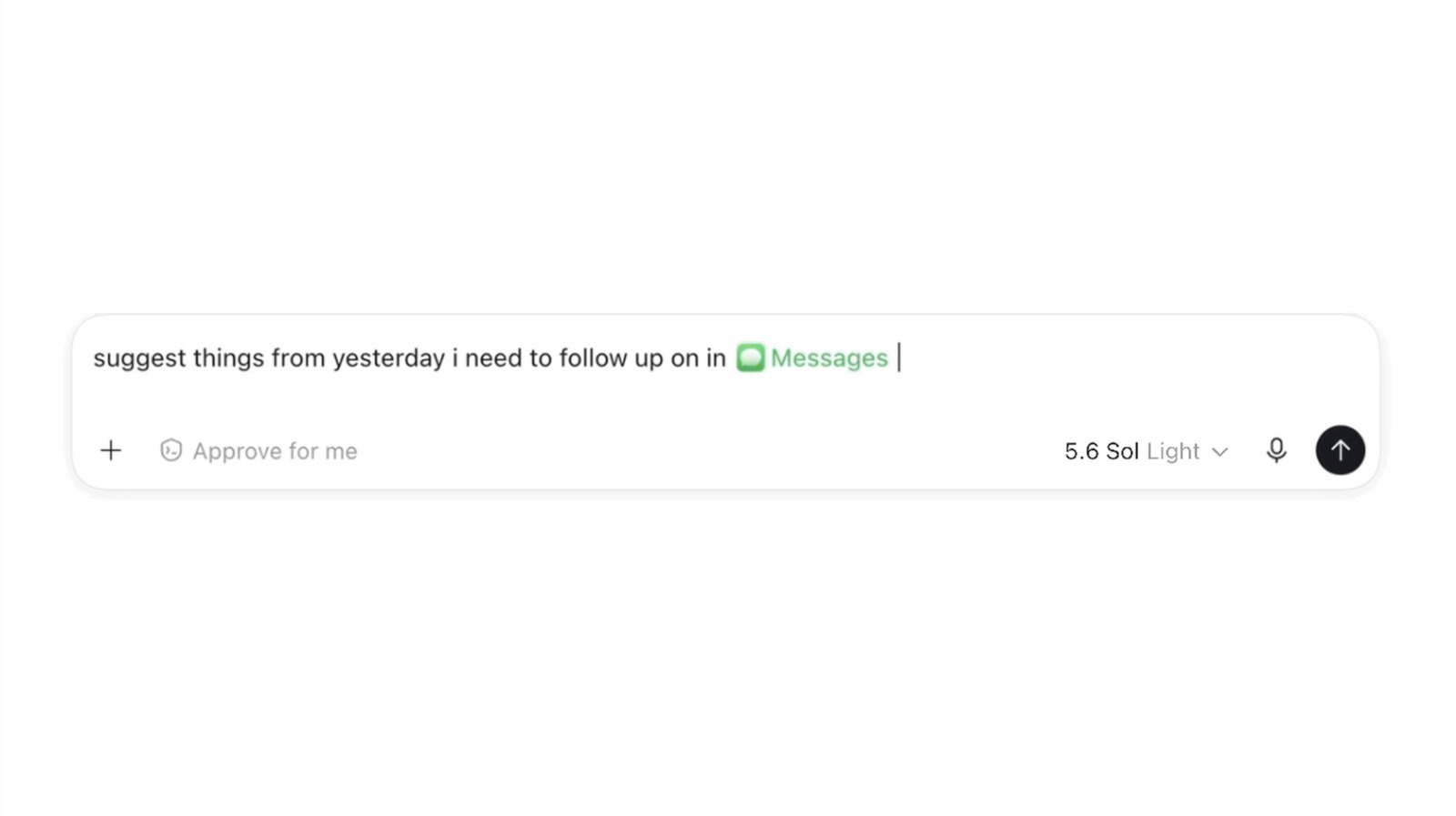
OpenAI has released a plugin for the integration. OpenAI OpenAI has released a plugin for the Apple Messages app and, as Bloomberg notes, it could raise privacy and security concerns. At the moment, it’s only available to ChatGPT Work and Codex users on Mac, allowing them to search for messages and even compose and send responses via the chatbot on their desktop. In the example published by OpenAI, the user asked ChatGPT to find conversations they had missed the previous day in their Messages app. They then used the chatbot to type and send their response. The function is, at least, voluntary. Bloomberg says users will have to do several things to allow the plugin to work. First, they will need to allow ChatGPT to access the Mac device’s message history when the permissions screen appears during the setup process. They will also be prompted to change their privacy preferences in Mac System Settings to grant full access to the ChatGPT drive. Additionally, they must give ChatGPT access to their contact names and automation tools. In other words, no one would install the plugin by accident. An OpenAI spokesperson told Engadget that the plugin does not create an index of a user’s texts. Additionally, users must explicitly ask ChatGPT to call up the context of their previous messages before the chatbot reads a thread. The plugin will also not send a message on your behalf until you explicitly approve the message that ChatGPT composed for you. “We care deeply about user privacy and the plugin is designed to be transparent and keep users in control of their Messages data,” the company told Engadget. It’s unclear whether OpenAI worked with Apple to develop the plugin, but the latter has a history of cutting off third-party access to its services if they didn’t get permission. In 2024, for example, it continued to disable the Beeper Mini chat app’s access to iMessage until Beeper stopped rolling out fixes that re-enabled the integration. It’s also worth noting that Apple and OpenAI aren’t on the best of terms lately. The iPhone maker sued OpenAI in July, accusing it of theft of trade secrets. He claimed that OpenAI specifically hired its employees for the purpose of obtaining confidential company information. Update 8/21 4:35 pm: This article has been updated with more context provided by OpenAI.