Earth and Venus are almost twins in size, mass and gravity. Earth’s highest mountains are capped with frozen water; Venus’s may be coated in metallic frost containing lead and bismuth sulfides. Somehow, two remarkably similar planets took radically different paths—and scientists still don’t know exactly when or why.
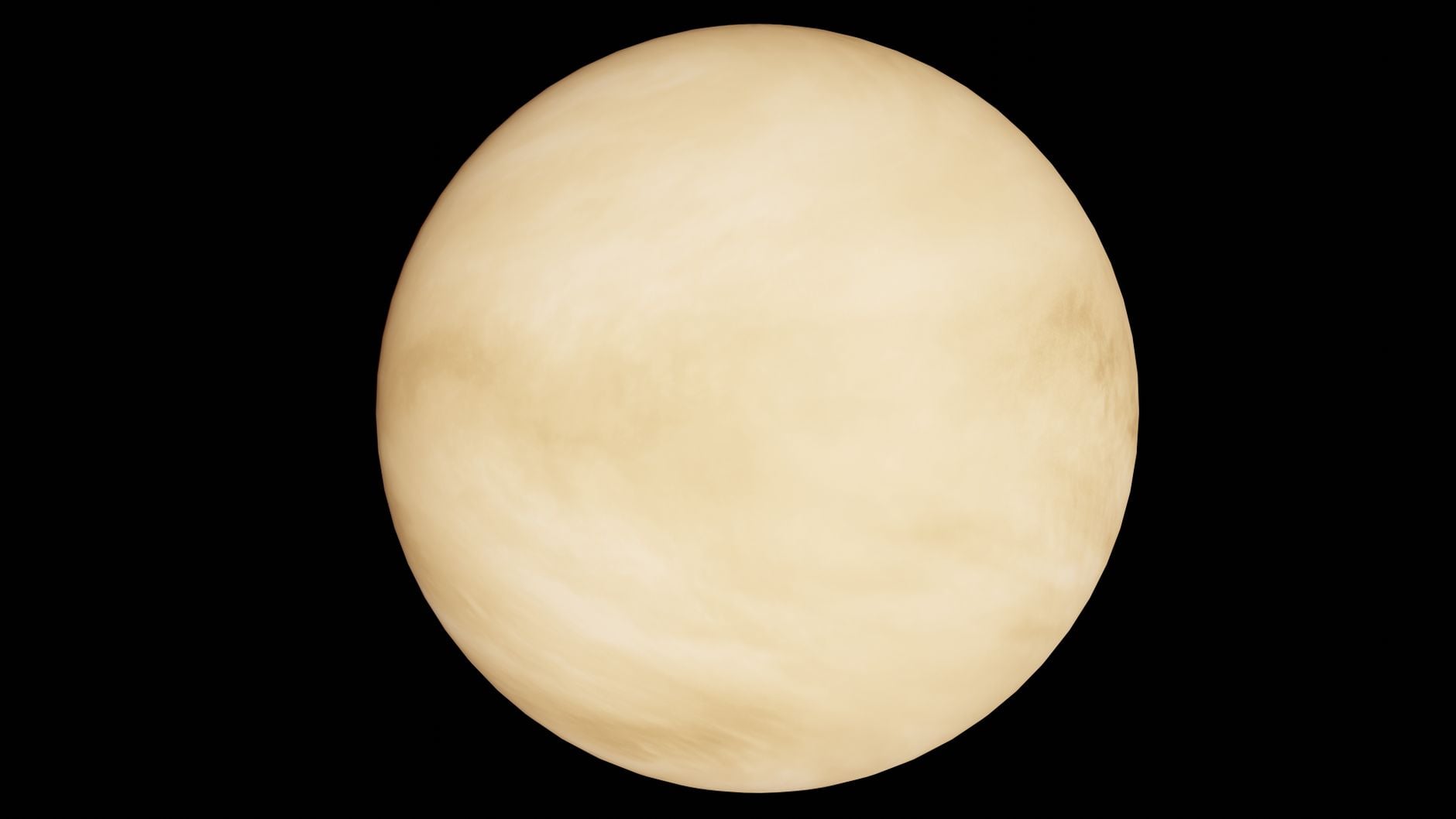
Earth and Venus are almost twins in size, mass and gravity. Earth's highest mountains are capped with frozen water; Venus's may be coated in metallic frost containing lead and bismuth sulfides. Somehow, two remarkably similar planets took radically different paths—and scientists still don't know exactly when or why.

If we put Earth and Venus side by side, the family resemblance is unusually close. Venus has about 95 percent of Earth’s diameter, 81.5 percent of its mass, and about 90 percent of Earth’s surface gravity. A 75-kilogram person on Earth would press down on the ground with about the same force as a 68-kilogram … Read more

Stellar stream discovery beyond Milky Way helps map dark matter

Stellar stream discovery beyond Milky Way helps map dark matter

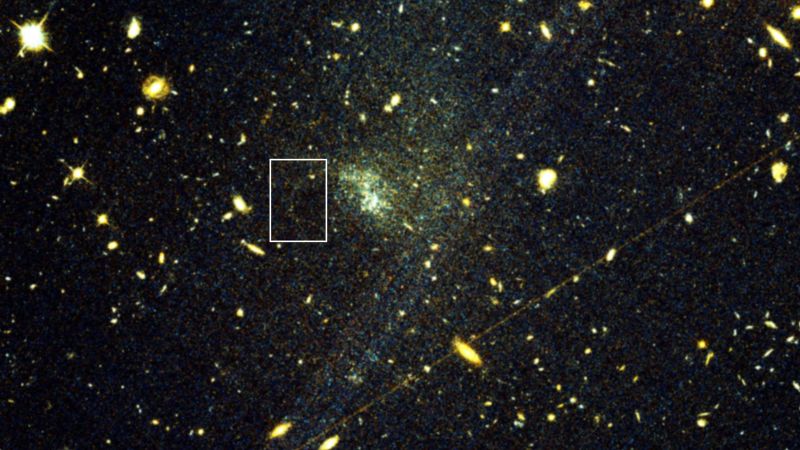
A faint ribbon of stars in a distant galaxy has led astronomers to a discovery that could reveal secrets about one of the biggest mysteries in our universe. Hidden within archival data from the Hubble Space Telescope, researchers found the barely visible trail of stars: the first stellar stream from a globular cluster detected outside … Read more

Running with a stroller may reduce injury risks for parents, study finds

Running with a stroller may reduce injury risks for parents, study finds

Parents who ran pushing a stroller were less likely to suffer overuse injuries than those who ran without a stroller, according to new research published in the journal PLOS One. The study, which looked at self-reported mileage and injuries, found that for every 1,000 miles parents ran, those who ran with strollers had a 55 … Read more

Scientists looked inside the heads of crocodiles – and made an astounding discovery

Scientists looked inside the heads of crocodiles – and made an astounding discovery

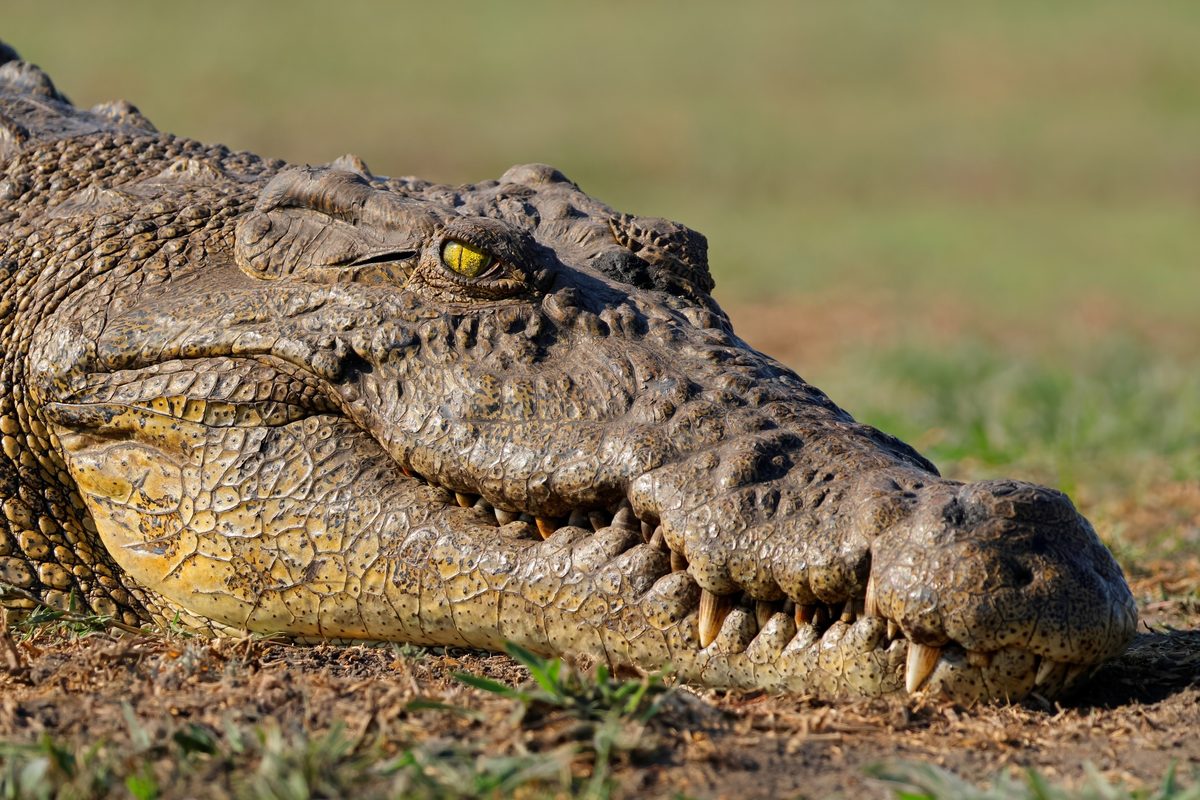
Over the past 100 million years, crocodiles and their close relatives (including alligators, alligators, and gharials) have survived dramatic changes in climate and habitat. They have even suffered mass extinctions, including the event that wiped out the dinosaurs 66 million years ago. Yet despite all this, their brains have changed very little, according to new … Read more

Invertebrate of the year 2026: vote for your favourite | Environment

Invertebrate of the year 2026: vote for your favourite | Environment

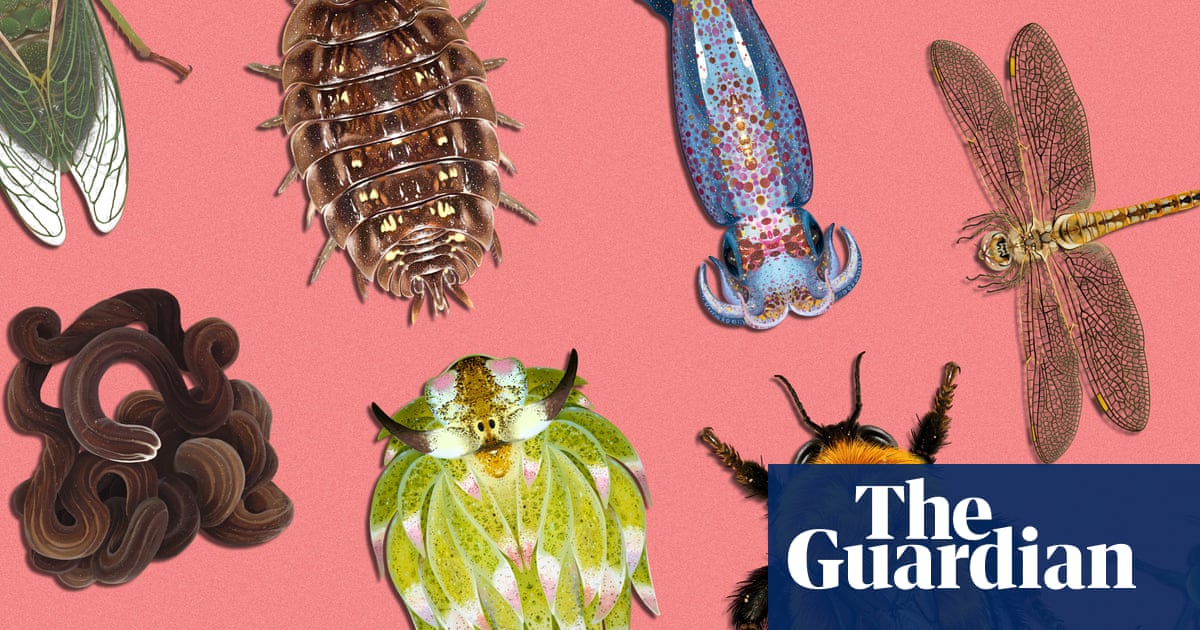
It’s time to vote for the invertebrate of the year 2026. For the third year in a row, we have profiled some of the most spectacular, fascinating and yet overlooked inhabitants of our planet; the huge category of animals (more than 1.3 million different species) that do not have a backbone. This group includes all … Read more

This 236-Million-Year-Old Fossil Just Rewrote the Story of Live Birth

This 236-Million-Year-Old Fossil Just Rewrote the Story of Live Birth

The vast majority of mammals alive today (including us) give birth to live young, but this reproductive mode is neither unique to mammals nor universal among them. In fact, it evolved independently many times in other vertebrate groups, and some mammal species even lay eggs. For years, scientists believed that cynodonts (a major group of … Read more