When Hubble swings from one galaxy to another, engineers fire no thrusters—Hubble has none. They change the speeds of four internal reaction wheels, making the observatory rotate the opposite way, while magnetic bars push against Earth’s field to bleed off excess momentum: a propellant-free steering system used since 1990.
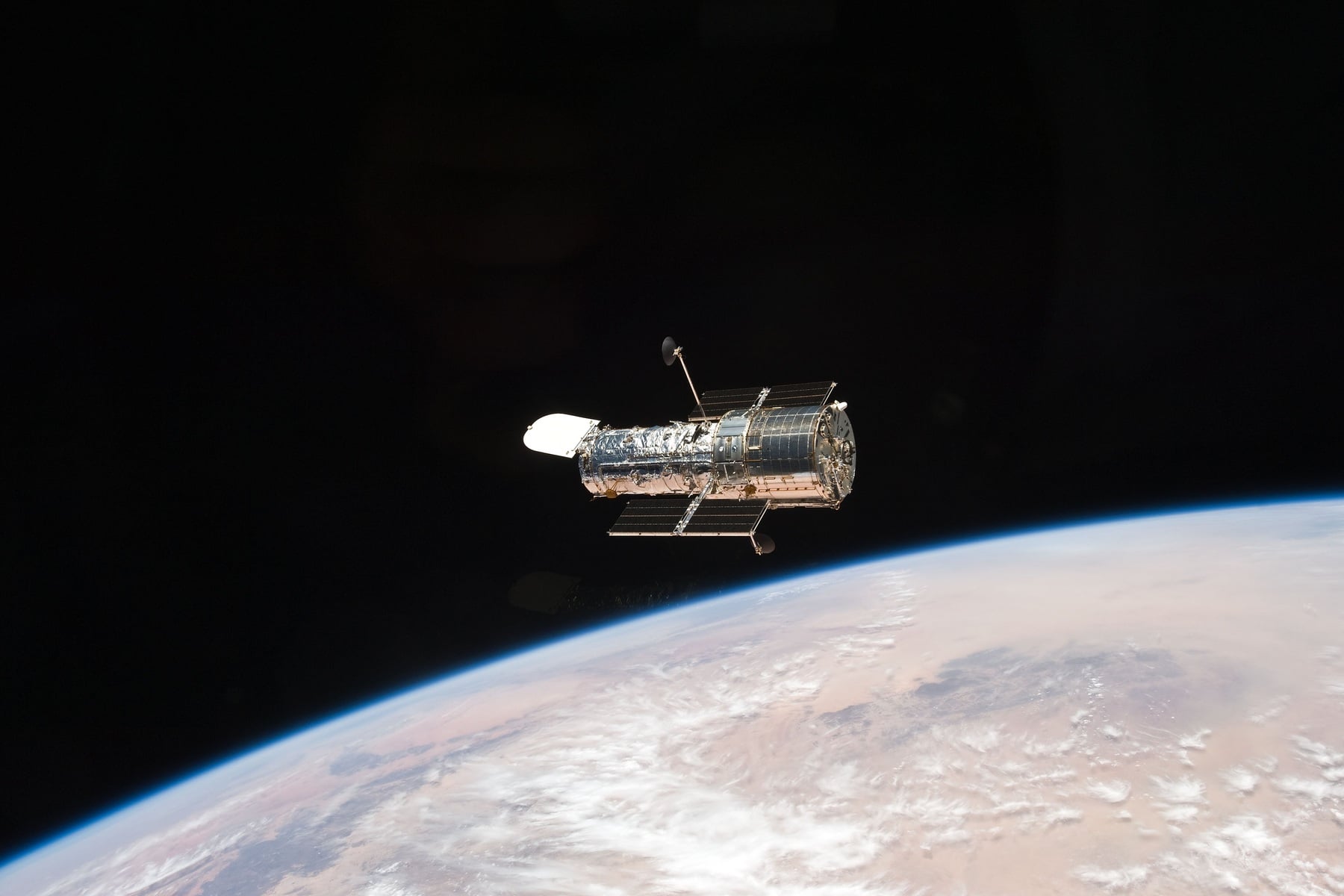
When Hubble swings from one galaxy to another, engineers fire no thrusters—Hubble has none. They change the speeds of four internal reaction wheels, making the observatory rotate the opposite way, while magnetic bars push against Earth’s field to bleed off excess momentum: a propellant-free steering system used since 1990.

When the Hubble Space Telescope finishes observing one galaxy and turns toward another, nothing shoots into space. There is no hydrazine cloud or small rocket hiding behind the solar panels. The maneuver begins with electric motors that change the speed of the metal wheels inside the observatory. This is not simply a fuel saving technique. … Read more


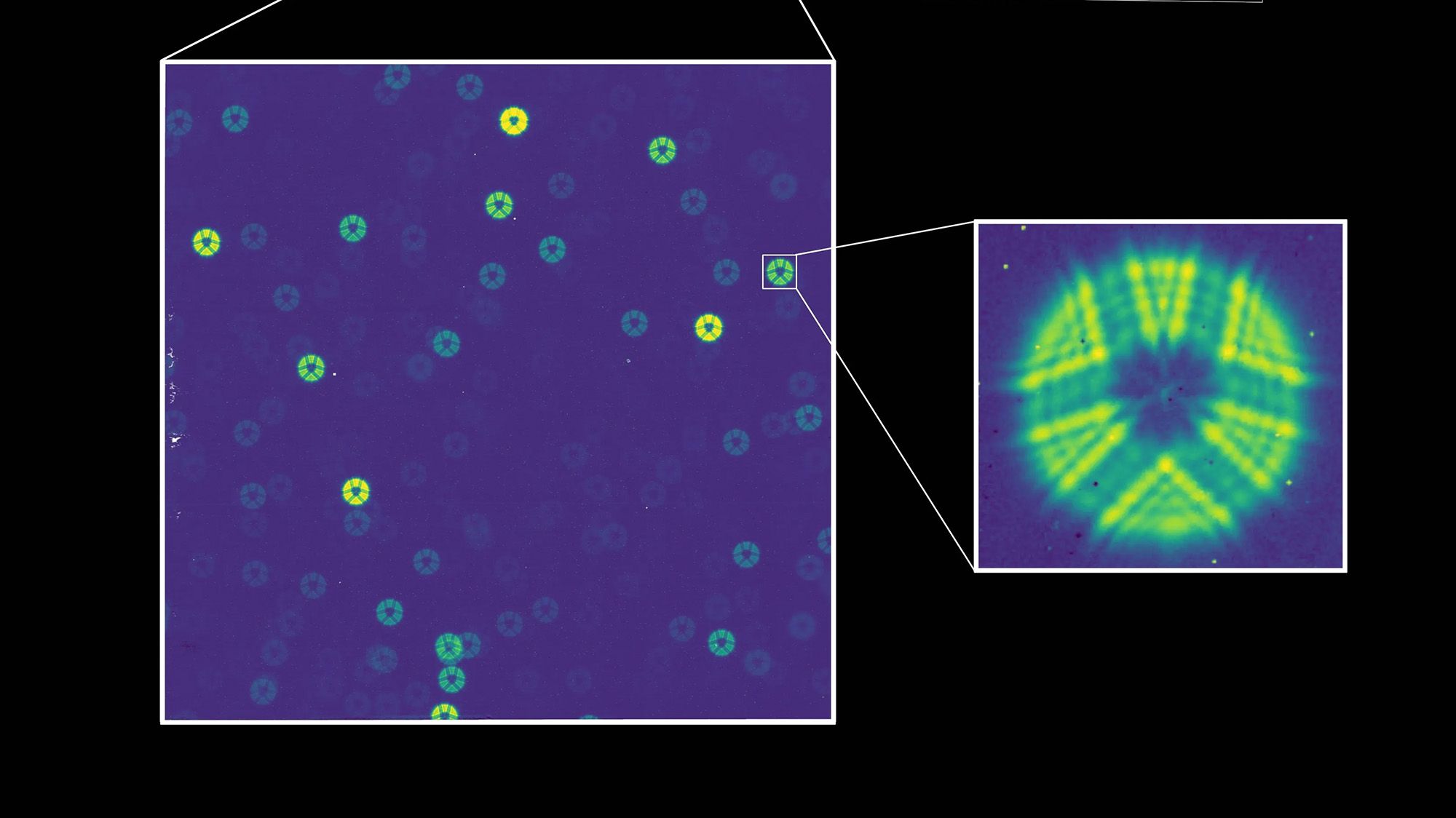
‘On our way to groundbreaking science’: Stars turn neon-green in first test image from NASA’s Nancy Grace Roman Space Telescope

'On our way to groundbreaking science': Stars turn neon-green in first test image from NASA's Nancy Grace Roman Space Telescope

Roman’s first test image shows hundreds of stars as green rings of light. After a few more months of adjustment, it will capture images as sharp as Hubble’s but 100 times larger. (Image credit: NASA Goddard Space Flight Center, Tyler Desjardins (STScI)) Quick Facts What it is: Hundreds of stars, captured in the first Nancy … Read more

Scientists build a DNA computer that can perform calculations in a drop of water

Scientists build a DNA computer that can perform calculations in a drop of water

Scientists have built a DNA-powered computer that can perform calculations using billions of molecules in a tiny drop of water. The system leverages the laws of physics to create what scientists describe as a computing system that is more efficient than conventional computers widely used today. Instead of continually using energy to force a calculation … Read more

NASA budgeted 200 kilograms of fuel for Roman’s first course correction, but the telescope used only 18. Combined with extra fuel loaded before launch and further expected savings, that could stretch its 10-year fuel plan to at least 22 years.

NASA budgeted 200 kilograms of fuel for Roman’s first course correction, but the telescope used only 18. Combined with extra fuel loaded before launch and further expected savings, that could stretch its 10-year fuel plan to at least 22 years.

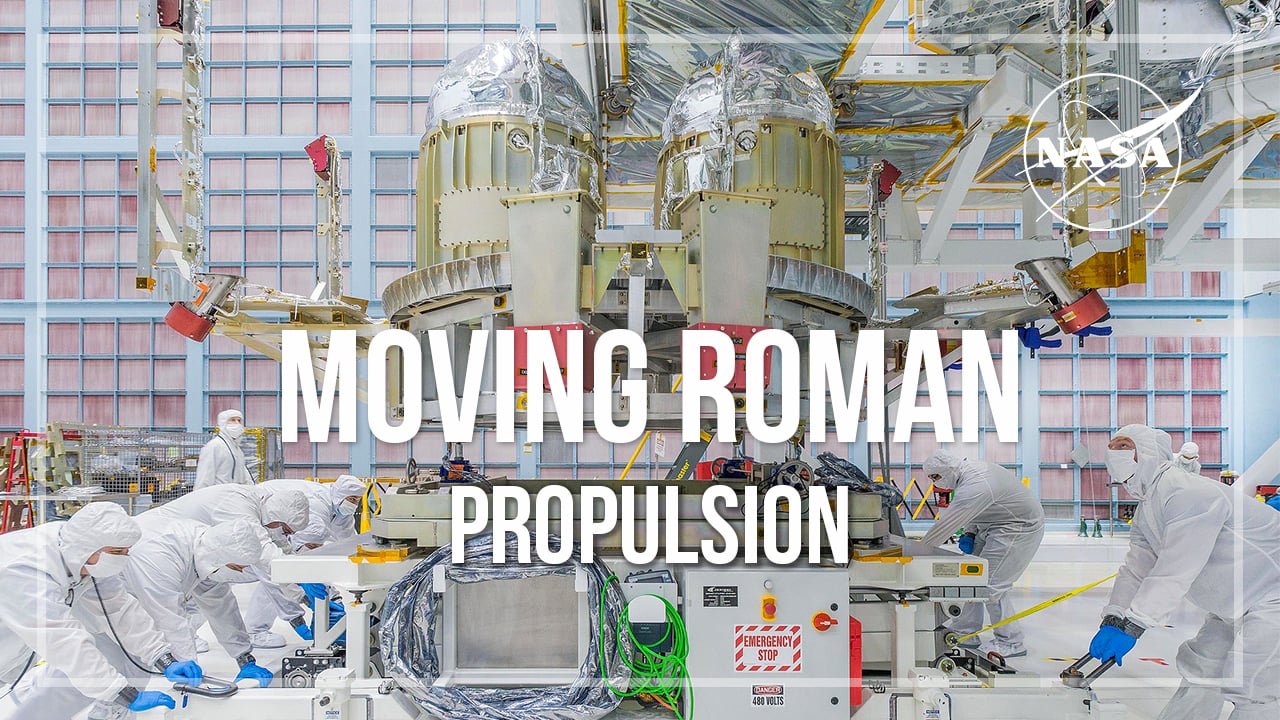
NASA’s Nancy Grace Roman Space Telescope began its journey to the Sun-Earth L2 region with a propellant budget built around uncertainty. The first major test of that reserve has yielded a much better result than the conservative plan. Roman’s team had allocated 441 pounds, or 200 kilograms, of fuel for the first midcourse correction. The … Read more

During the Solar System’s first million years, its earliest outer worlds formed from material that was up to 92 percent heat-forged rock, while gas flowing through the young system filtered out much of the surrounding ice-rich dust.

During the Solar System’s first million years, its earliest outer worlds formed from material that was up to 92 percent heat-forged rock, while gas flowing through the young system filtered out much of the surrounding ice-rich dust.

Los primeros mundos sólidos ensamblados en el Sistema Solar exterior no se limitaron a recopilar una primicia representativa de todo lo que les rodeaba. Un nuevo análisis de meteoritos de hierro carbonoso indica que sus planetesimales originales contenían sólo entre un 8 y un 17 por ciento de una matriz fina y rica en volátiles. … Read more