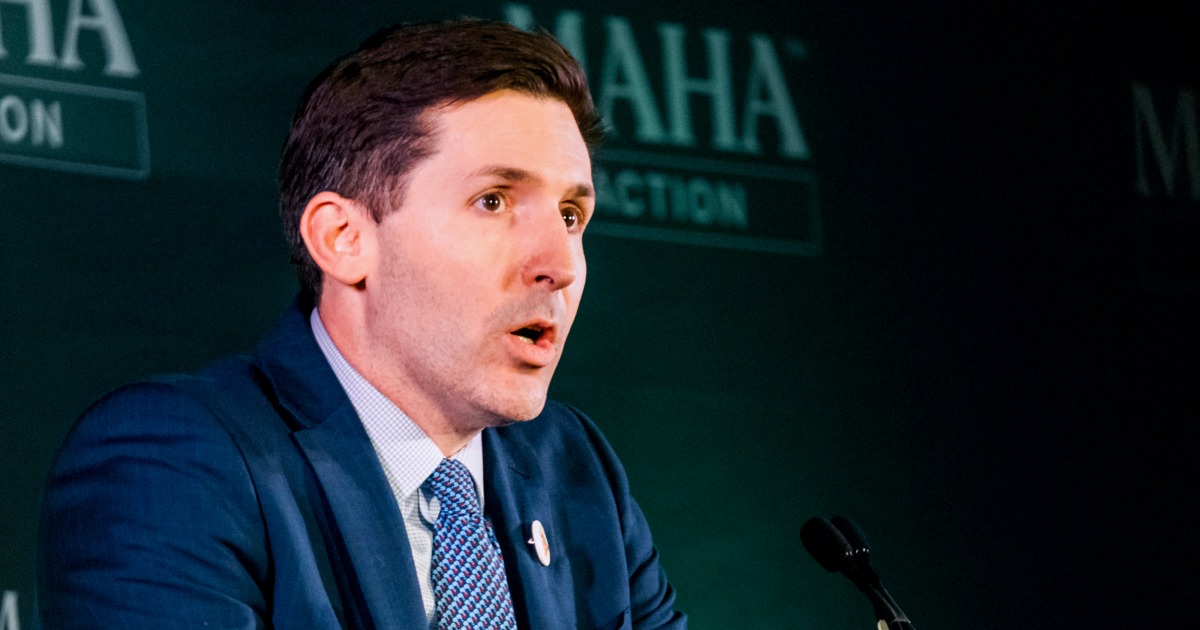
Calley Means, a top adviser to Health Secretary Robert F. Kennedy Jr. and a central advocate of the “Make America Healthy Again” movement, resigned from the Trump administration. “I resign from the White House with tremendous respect for President Trump and RFK, two historic figures who are committed to confronting a corrupt DC bureaucracy that is doing everything it can to protect the status quo,” Means said in a statement to NBC News. He posted a similar one on X.Means was an advisor to Kennedy’s 2024 presidential campaign and a key architect of his MAHA agenda. He joined the White House early last year as a special government employee. He transitioned to a full-time position as a senior advisor to the Department of Health and Human Services after divesting from his wellness company, Truemed. A person familiar with Means’ decision to resign said Means had become increasingly frustrated as he realized how little he could do in Washington to advance his MAHA goals. The last straw, the source said, was the lack of progress in implementing a federal definition of ultra-processed foods, one of Means’ top priorities. The administration advanced a definition in August, but has not yet published it. The source also mentioned Trump’s executive order to increase the supply of the herbicide glyphosate in the US (glyphosate is the key ingredient in Roundup), as well as some actions by the Environmental Protection Agency that have clashed with Kennedy’s agenda. Trump’s EPA, for example, has weakened mercury emissions standards and lowered drinking water limits for certain PFAS chemicals, actions that the MAHA movement has largely opposed. Frustrations over the lack of progress on MAHA’s goals have reverberated throughout the movement. Earlier this month, some supporters (including former members of Kennedy’s presidential campaign) accused the Trump administration of breaking almost every promise made to them on food, agriculture and environmental health. With less than two weeks until the midterm elections, some dissatisfied MAHA supporters have threatened to abstain from voting. Some Democrats are trying to move forward with the movement in the final days of the campaign. One of the central beliefs of the MAHA movement is that corporations have too much influence over the food supply and healthcare system. Many of his supporters, including Means, hoped to see a greater fight against pesticides and artificial dyes, as well as more significant changes to vaccine policy that emphasized what some describe as “medical freedom” over universal recommendations. On pesticides, a particular setback for the MAHA case came in June, when the Supreme Court ruled that Bayer, the maker of Roundup, did not need to warn consumers about a potential cancer risk associated with its product. The Trump administration had backed Bayer in the case. Last year, President Donald Trump nominated Means’ sister, Casey Means, for surgeon general, but she faced scrutiny at her confirmation hearing over her lack of an active medical license and past comments questioning the safety of vaccines and contraceptives. Trump chose a new nominee, Dr. Nicole Saphier, in April. Last month, in a talk Means gave at a MAHA summit in Washington, D.C., he said he was inspired by the way federal agencies had collaborated to advance MAHA’s agenda, but he also acknowledged obstacles. “DC is a tough place. It’s a toxic place, and there are a lot of complaints that can be made about DC,” Means said. “But today I am more optimistic than ever about what I believe is my life’s work of evangelizing the chronic disease crisis and empowering Americans who want to be healthy to address the root cause of disease.” In his statement Thursday, Means highlighted several policy victories for the MAHA movement during his tenure, including restricting soda purchases through the Supplemental Nutrition Assistance Program (SNAP), accelerating research and review of psychedelics, urging food companies to voluntarily remove certain dyes, and revising federal dietary guidelines to recommend fewer ultra-processed foods and more protein. “In the last two years there have been more political and cultural changes around these goals than at any other time in history,” he said.