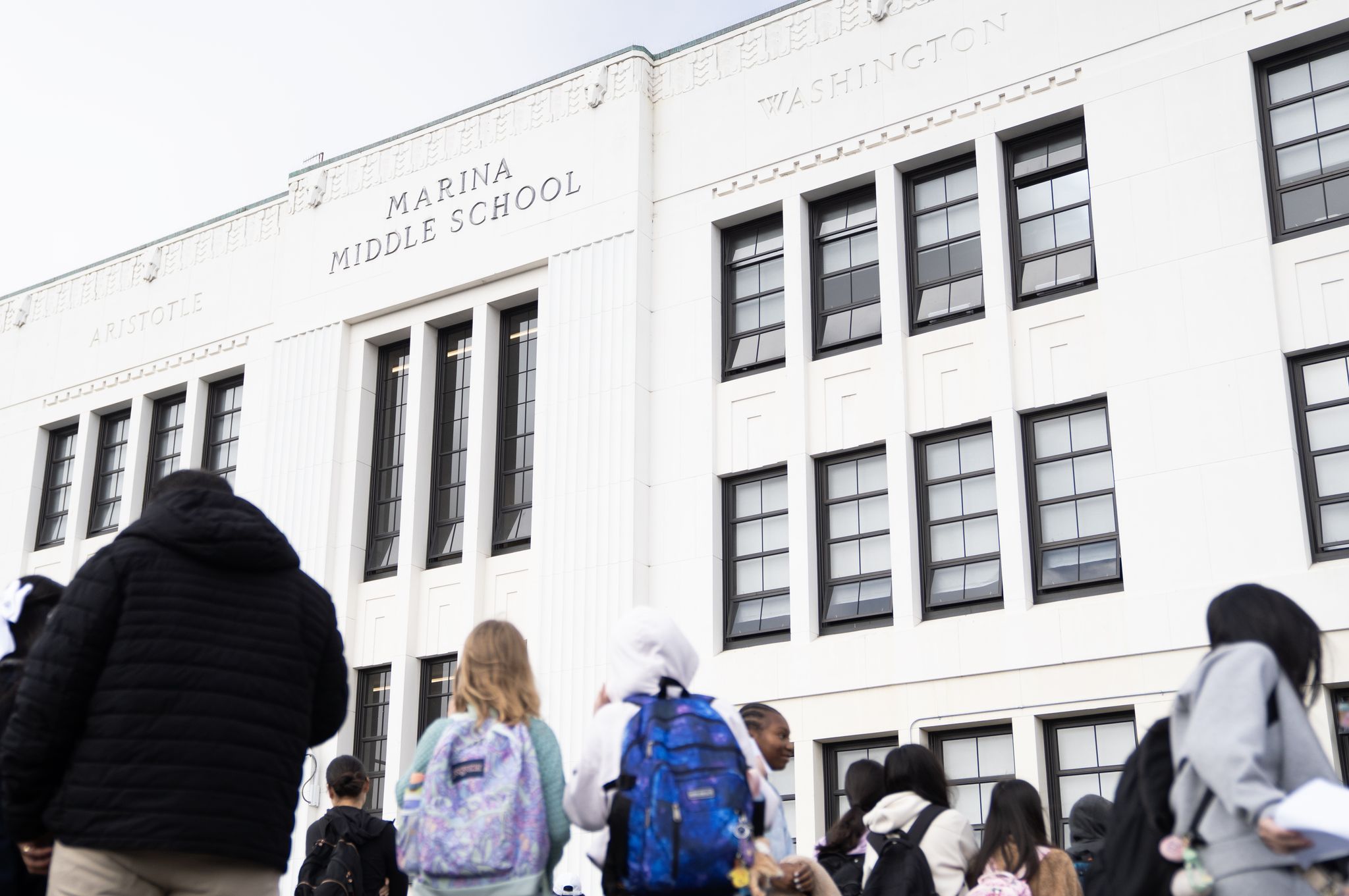
As Bay Area students return to classrooms, COVID-19 is climbing sharply in the region’s wastewater — and the summer increase may not have peaked.Virus concentrations in July were 136% higher than in June, according to WastewaterSCAN, and nearly 54% of monitored Bay Area sites are now in the “high” category.Levels have already surpassed the region’s winter peak, though they remain well below the high reached in summer 2025.“We are seeing ‘high’ levels in San Francisco, San Jose, Sunnyvale, San Rafael, Vallejo and Napa,” said Amanda Bidwell, WastewaterSCAN’s scientific program manager.The increase is not limited to Northern California. WastewaterSCAN is also seeing elevated SARS-CoV-2 levels across its national network.“Monitoring wastewater can act as an early warning system for health officials and the public, especially as more people decide to recover at home rather than visit and test at the doctor’s office,” Bidwell said.Unlike some earlier waves, the current rise does not appear to be driven by a single variant.“It is important to note we are seeing a mixture of variants circulating, rather than just one dominant variant, like we have seen in the past,” Bidwell said. “This isn’t unique to the Bay Area; we are seeing this across the national network as well.”Nationally, WastewaterSCAN now classifies SARS-CoV-2 activity as high and trending upward. The organization said the median concentration detected in July was about 122% higher than in June.The Centers for Disease Control and Prevention still describes the overall level of respiratory illness sending Americans to medical care as very low. But its latest modeling estimates that COVID-19 infections are growing or likely growing in 41 states.CDC forecasts also point to a modest increase in serious illness, but those numbers remain far below the levels seen earlier in the pandemic.The timing could matter as children return to classrooms and families spend more time indoors. Schools and other crowded indoor settings can create more opportunities for respiratory viruses to spread.The summer rise may also have room to continue. WastewaterSCAN said last year’s increase did not peak until early September, though the timing of one year’s wave does not necessarily predict the next.Dr. Peter Chin-Hong, an infectious-disease specialist at UC San Francisco, said in late July that the next several weeks would show whether rising transmission leads to more hospitalizations.He expected admissions to increase but said widespread immunity from vaccination and prior infections should continue to limit the number of people who become seriously ill compared with the early years of the pandemic.Older adults, pregnant people, people who are severely immunocompromised and very young children with little previous protection remain at higher risk of severe illness, Chin-Hong said.