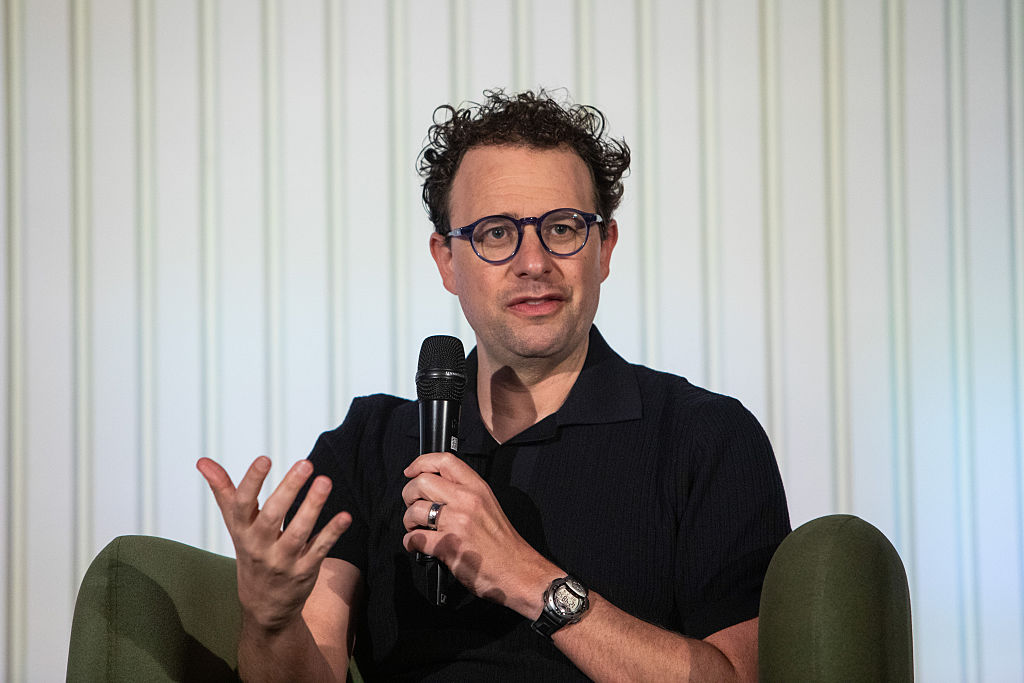
Anthropic CEO Dario Amodei recently rejected the idea that he has been painting too pessimistic a picture of artificial intelligence and how it could shape the future. Amodei’s comments came in response to investor Gavin Baker, who argued, both on the All-In podcast and on X, that Amodei’s warnings about the dangers of AI have helped fuel a backlash in the United States, particularly against data centers. Stating that Amodei has “lost the argument” when it comes to AI regulation (Anthropic has advocated for some regulations, including a California bill imposing transparency requirements on large AI companies), and given that “he is about to be the CEO of one of the largest companies in the world,” Baker wrote, “I respectfully think he should make an effort to be a more positive advocate for his own industry.” Baker is far from alone in arguing that skepticism about AI and even government crackdowns are in part due to simply taking seriously the dire warnings of some AI executives. But in his response, Amodei disagreed with the idea that his “message has been disproportionately negative.” Instead, he said his writings have been “more or less equally balanced between risks and benefits” and that he wrote his essay “Loving Grace Machines” because he “didn’t feel like the artificial intelligence industry was painting a sufficiently inspiring picture of how the technology could radically transform the world for the better.” However, Amodei acknowledged that “the public has a negative view of AI” and agreed that “this is a big problem.” What he disagreed with was the idea that this is “mainly caused” by Amodei “or any other AI leader warning about the risks of AI.” “I think it’s fundamentally a crisis of confidence,” Amodei said. “I think ordinary people don’t trust companies, governments or the tech industry and always suspect that we are coming up with some new way to ruin them.” In fact, “trust” is a word that comes up often in discussions about the AI industry, especially around OpenAI CEO (and Amodei rival) Sam Altman. However, according to Amodei, this is a crisis that has been decades in the making, and the AI’s reaction is “just the latest version of it.” “I think by far the most accurate criticism of AI companies, including Anthropic, is that we have not yet delivered on our big promises to benefit the world,” Amodei said. “That’s totally up to us, and I think that’s the criticism you should be making, rather than all this talk about messaging and marketing.” (Naturally, he also said that Anthropic is “doing everything we can to fix this problem.”) On regulation, Amodei argued that Baker was posing “a false choice” between widely distributing AI without regulation or concentrating the technology in the hands of a few companies through regulation. “I know there’s a kind of Silicon Valley shorthand where regulation = regulatory capture = concentration of power, but it’s always seemed like an oversimplified picture of the world to me,” Amodei said. “Many people outside this bubble think that regulation is something that limits corporate power and benefits ordinary people.” Amodei added that he “doesn’t necessarily agree with that perspective either,” but said that’s why “Anthropic has always made its policy proposals very carefully.” “We put a lot of effort into making proposals that disadvantage (slow down) cutting-edge AI companies while *favoring* smaller competitors,” he said. 2/2 Second, about the messages around AI. I don’t agree that my messages have been disproportionately negative. In fact, there has been an almost equal balance between risks and benefits: I have written a substantial essay on each, and even in interviews where I talk about the risks, I… — Dario Amodei (@DarioAmodei) August 15, 2026 When you buy through links in our articles, we may earn a small commission. This does not affect our editorial independence.