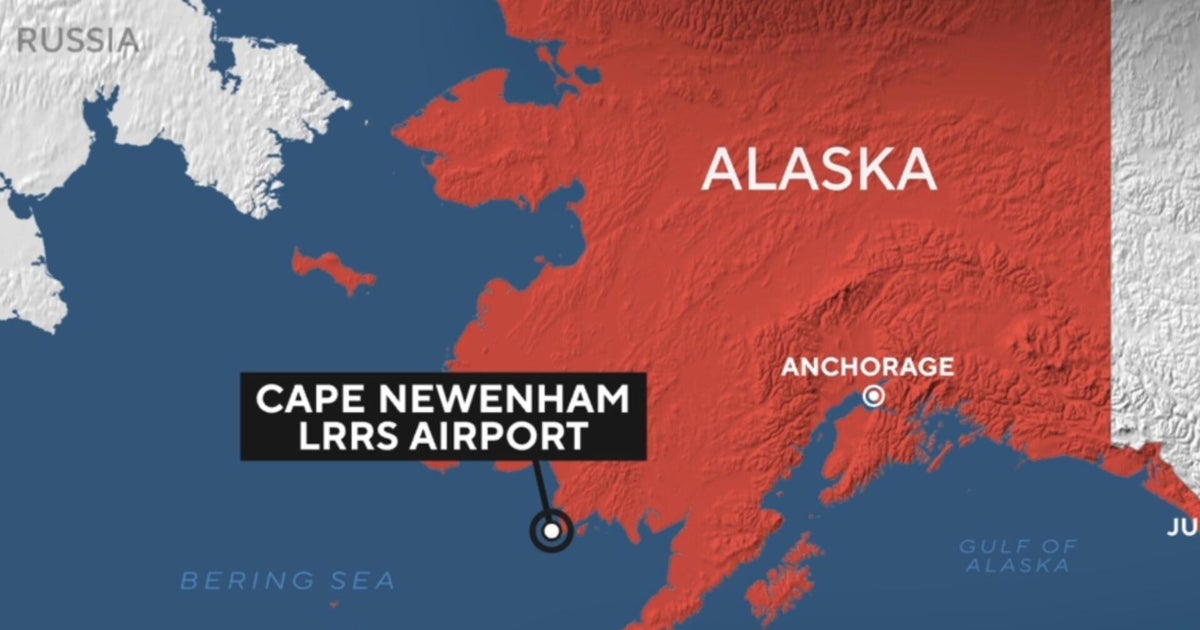
A small plane chartered by the U.S. Army Corps of Engineers crashed Thursday in western Alaska, killing all eight people on board, the U.S. military said. The plane was traveling to a remote aircraft tracking radar site when it crashed. The crash occurred near the Cape Newenham Long Range Radar Site Airport, approximately 450 miles west of Anchorage. The twin-engine Cessna 441 was scheduled to land there after taking off from Ted Stevens Anchorage International Airport, the Federal Aviation Administration said Friday. Clint Johnson, head of the Alaska region of the National Transportation Safety Board, said there were two pilots and six passengers on board. The US Army Corps of Engineers said in a statement that two of its employees were among the dead. “This is a devastating loss for our military family and the communities we serve,” U.S. Air Force Lt. Gen. Robert Davis, commander of Alaska Command, Alaska North American Aerospace Defense Command Region and Eleventh Air Force, said in a statement. A map shows where a charter plane crashed near a remote radar site in western Alaska on August 20, 2026. Yasin Demirci/Anadolu via Getty Images The NTSB and FAA are investigating the crash. It occurred in fog, according to information from a service that is part of the non-profit organization Flight Safety Foundation. The plane had attempted to land once before, resulting in a missed approach, and may have been returning for another attempt when it lost contact, Johnson said Friday during a virtual briefing. The plane crashed in rugged terrain in a very remote area, and it will take some time for the NTSB team to get there, he said. Five NTSB investigators were traveling to the crash site, spokesman Peter Knudson said in a statement Friday morning. The remains will be documented and moved to a secure facility for further examination. Investigators will look at weather conditions and what was communicated to the pilots, as well as other factors, Johnson said. The airport is a private military site. The radar site is managed by the Pacific Air Forces Regional Support Center. It is part of a network of remote radar sites that track aircraft operating in Alaska airspace and along its borders, according to the Alaska Command statement. The Corps said in a statement Friday that its two employees were “part of a project execution team en route to a project site in support of the United States Air Force.” “We mourn the tragic loss of our selfless teammates. They were public servants and true professionals, dedicated to protecting our nation,” Lt. Gen. William Graham, the Corps’ commanding general, said in the statement. The Alaska Command statement did not provide details about the specific work the people were doing. The Cessna plane was operated by Anchorage-based charter company Security Aviation, according to the NTSB. Davis described those on board as “dedicated professionals carrying out a vital mission in a demanding environment. Our top priority right now is to provide unwavering support to their families, friends and teammates during this devastating time. We are deeply grateful for the quick and tireless response of our search and recovery professionals.” “I join Alaskans in offering my condolences upon learning of the plane crash at Cape Newenham,” Alaska Sen. Lisa Murkowski posted Thursday night. “I have traveled extensively with Security Aviation throughout Alaska and have met many of their experienced pilots. I am grateful to the U.S. Coast Guard, NTSB, Alaska State Troopers and the Rescue Coordination Center for responding to the scene. Alaska is praying for those on board, their loved ones and the Security Aviation team.” In 1950, a continental defense radar station was built at Cape Newenham as part of the Distant Early Warning Line to warn of a Soviet attack during the Cold War, according to Coastview, a nonprofit science education organization that promotes understanding of the Alaska coast. Today little remains of the old station. Sarah Ploss contributed to this report. More from CBS News Go deeper with The Free Press in: