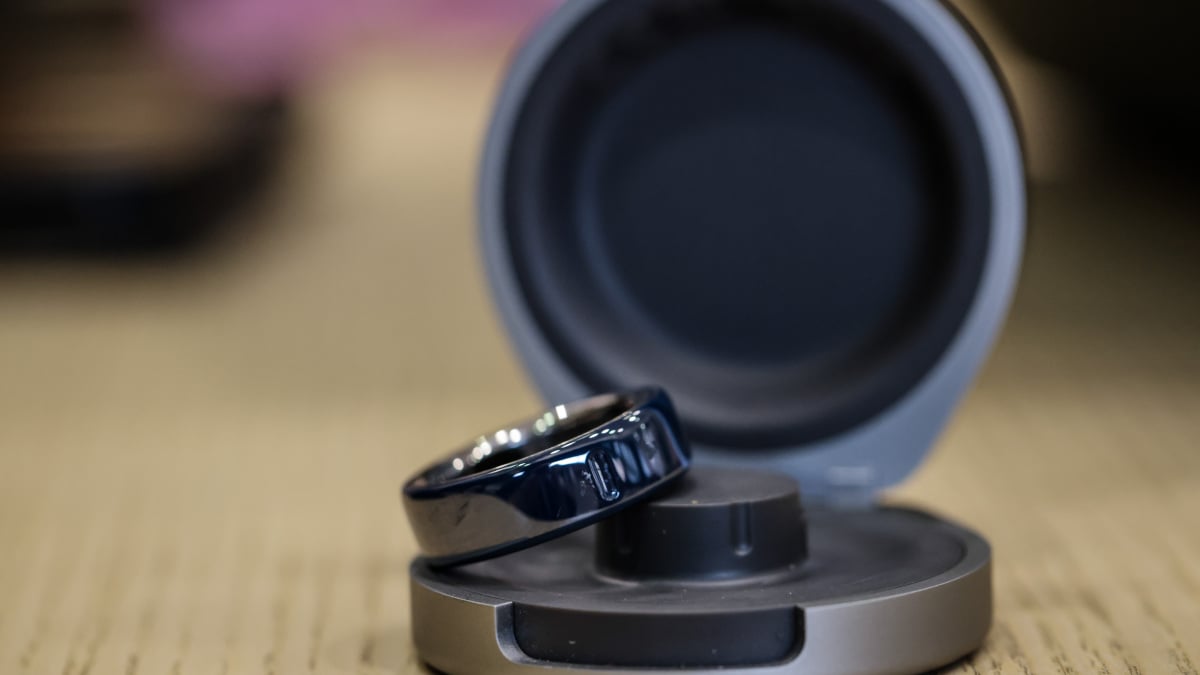
A class action lawsuit filed in the Northern District of California alleges that the Oura Ring fitness tracker does not actually track sleep. The complaint, filed on August 20, claims that Oura cannot measure brain electrical activity, eye movements, muscle tone “and other signals measured through electrodes placed on the scalp, wires in the eyes, and sensors on the chin,” and because it does not do this, it cannot track sleep or sleep cycles. SEE ALSO: From Oura to Whoop, we test the best sleep trackers of 2026 “Instead, Oura’s AI models are making educated guesses about what may be happening,” it reads, “based on inadequate inputs and therefore taking advantage of desperate consumers struggling with their sleep or worried about their health by selling faulty AI-based inferences as reliable science.” Mashable Light Speed While Oura claims in technical materials that it does not track brain activity or eye movements, the lawsuit alleges that the company still claims to measure sleep stages and cycles. Clarkson Law Firm and named plaintiff Madison Surber filed the lawsuit. It states that around May 22, 2025, Surber purchased an Oura Ring 4 Gold for $513.68 directly from Oura and believed the ring could provide accurate data about his sleep. The lawsuit alleges that Oura engaged in fraudulent advertising, unjust enrichment, breach of express and implied warranties, and violations of the California Unfair Competition Law, the False Advertising Law, and the Consumer Legal Remedies Act. More than 100 members of the group are seeking monetary compensation totaling more than $5 million. Mashable has contacted Oura for comment. Topics Fitness Trackers Fitness Technology