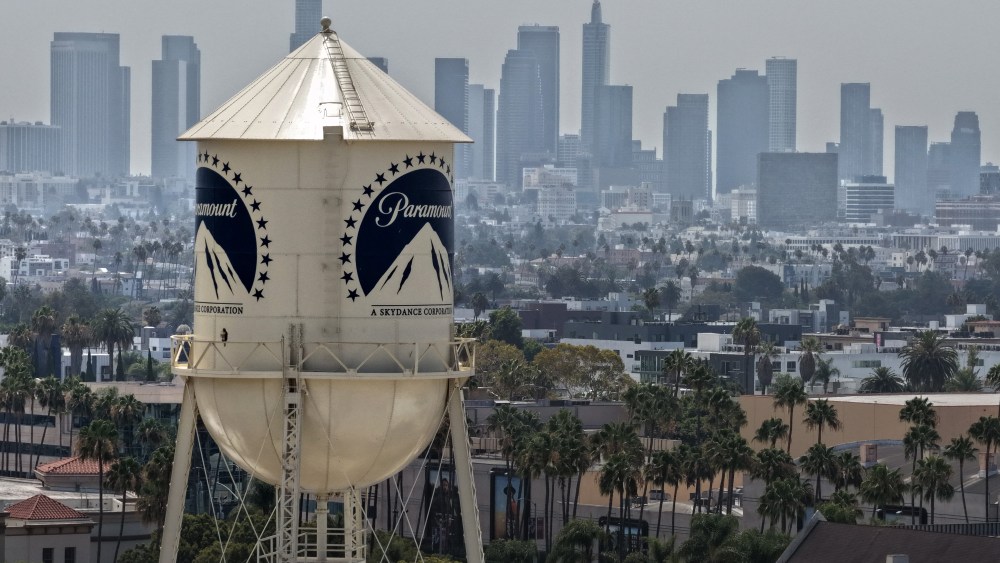
Paramount Skydance representatives are expected to meet with the California Attorney General’s office on Monday to discuss a possible settlement of the states’ antitrust case, according to two sources familiar with the situation. Paramount has been pushing hard to reach a deal to close its $111 billion merger with Warner Bros. Discovery. The deal is currently on hold pending a trial in March in federal court in Oakland. Attorney General Rob Bonta has said he is open to negotiations to reach a settlement, but he has also said that Paramount has so far been unwilling to offer the type of structural remedies that would be necessary to satisfy the states’ concerns. A Paramount spokesman declined to comment. Bonta led a 12-state coalition to challenge the merger in July, arguing it would illegally contract out the basic cable and theatrical distribution market. The merger would consolidate two of Hollywood’s five legacy studios and two of its top three cable programmers. Under federal rules, the two sides will have to at least try to resolve the case before a judge at some point. At a hearing this week, Judge Araceli Martínez-Olguín asked the parties to identify two potential magistrates who could oversee the mediation next Wednesday. Recently, a parade of interested parties have come out in favor of a deal, including the Directors Guild of America, IATSE, Los Angeles Mayor Karen Bass, and Cinema United, the trade group representing movie theater chains. “Earlier this week, you heard the attorney general himself say that he would prefer this be resolved in the boardroom, not the courtroom,” Gov. Gavin Newsom said Friday. “I think there is a universal feeling there, whether that is possible. The question is whether that is possible. And what is the best agreement? It has to be worked out. It is a process that is developing, I assure you, in real time.” Paramount has made several commitments to try to reach a deal, including a promise to make 30 movies a year for the next three years and keep them exclusively in theaters for at least 45 days. Bonta’s office, however, has argued that such behavioral remedies have proven impossible to apply in the past. The Writers Guild of America has filed its own lawsuit, which will be heard along with the states’ case next March. The WGA is also a party to the stipulation that suspends the merger until trial, and would have been involved as the parties aim to reach a global resolution. A WGA spokesperson did not respond to a request for comment.