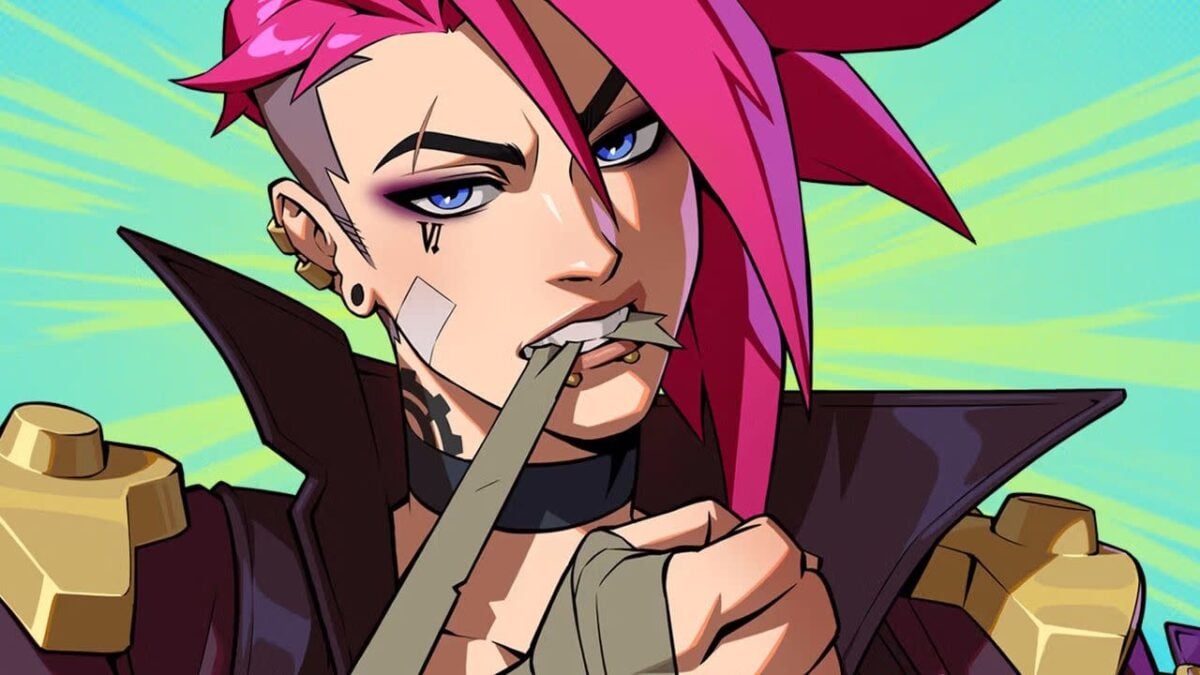
Riot plans to end active development of its tag team fighting game 2XKO in December. On the game’s website, Riot shared that while the game garnered a lot of initial interest, “we haven’t seen enough players stick with the game to take a path toward sustainability.” And because of that, Riot will end active development of 2XKO at the end of the year. The game officially launched for PC and consoles in January. Riot plans to work on game improvements, bug fixes, and some content before development ceases. After that, you’ll leave the servers on and just… walk away. Here’s the detailed end-of-life roadmap for the game. The servers will remain active beyond 2026 and 2XKO will be playable on all platforms. For the remainder of 2026, we will be introducing content, feature improvements, and two new champions (Lux and Samira), with the intention of delivering our final bug fix patch in December of this year. After that, the servers will remain up to allow online play. Offline play is not affected. We will let you know in advance if any of that changes. We are unlocking all champions. We will also include most cosmetic items and refund all money spent on 2XKO before August 20. Any content you own is yours. Avatar and player profile items can be unlocked for credits. This will happen in patch 1.3.1 (September). 2XKO was in trouble from the beginning. The game’s console launch was plagued with problems, and Riot added to that inauspicious start by laying off 80 people working on the game just a month after its release. After a rocky start, 2XKO appeared in several fighting game tournaments, debuting on the EVO main stage earlier this year. For a big publisher, Riot is being surprisingly candid about why it’s ending active development of the game. He talked about the high player interest and high-level play in the game, but said those elements were not enough to bring 2KXO to the minimum overall player retention threshold that Riot deemed necessary to sustain the game. There’s a deep, bitter irony in how Riot says it had originally wanted to build the game’s audience over time by “gaining the trust of many major fighting game players and growing into a larger player base as more features and content came online,” only to be able to release the game not even a year after its release.