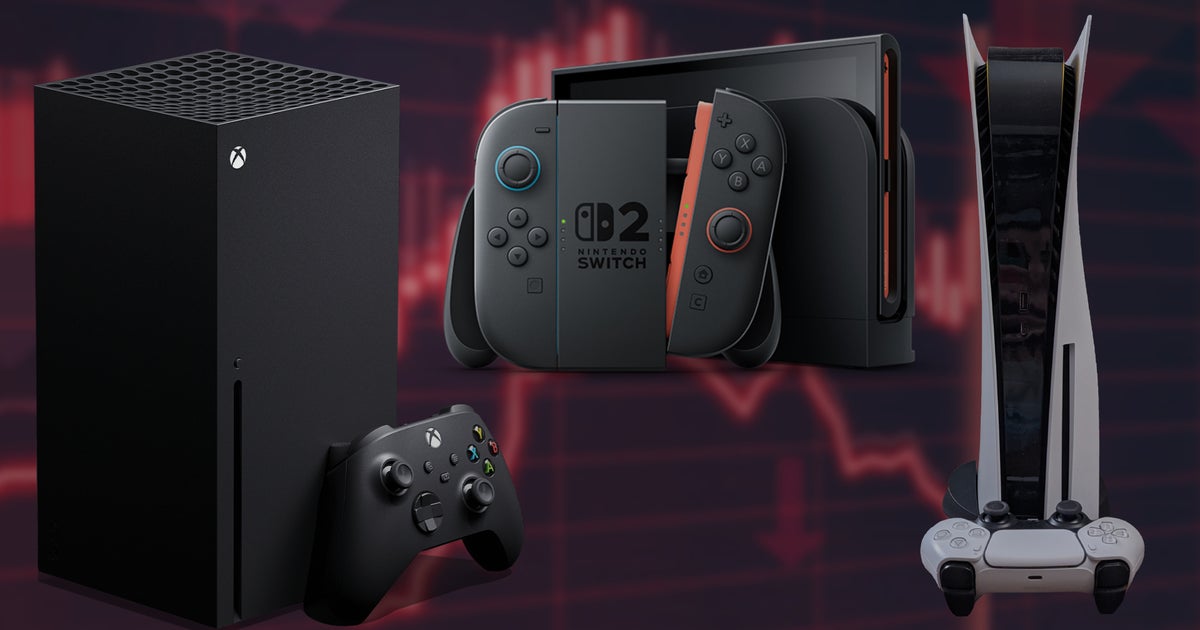
New data from industry analysts Circana has revealed that consumers are spending much less than usual on gaming hardware or the games themselves. Circana’s latest report covers the US market in July and includes a lot of worrying data. Over the course of the month, all console platforms sold fewer units than in July of last year. As a result, hardware spending fell 29 percent. That decrease is even more shocking than it seems. According to the report, overall hardware spending in July fell to a low near that of July 2020, when pandemic-induced component shortages made consoles difficult to find. Despite the wide availability of current hardware, it seems that high prices have achieved the same effect as not having any hardware in stock. Image credit: Eurogamer July also saw another notable drop in the amount of money spent on physical software. Sales of new physical games fell to an all-time low, a figure not seen since tracking began in 1995. According to the report, 32 percent of spending on new physical games so far this year went to PlayStation and 63 percent to Nintendo. This is especially interesting in light of Sony’s decision to end manufacturing physical discs for PlayStation starting in January 2028. The best-selling game in July was Call of Duty: Black Ops 2, that’s the port that arrived on PS4 and PS5 in the middle of the month. The original Black Ops, which was released at the same time and is part of a bundle that includes both games, came in at number five. This is easy to believe, considering that the two ports are estimated to have sold 11 million copies combined. Halo: Campaign Evolved came in at number six overall, clearly struggling to come close to the sales volume of the Black Ops ports. Elsewhere in the top 10, you can see other new releases like Assassin’s Creed Black Flag Resynced, Splatoon Raiders, and EA Sports College Football 27. Spending on games, hardware, and accessories combined fell 10 percent in July compared to last year. Declines on PC, consoles, and mobile devices contributed to that decline. And, just like in June, subscription was the only category that saw any improvement during July, growing 6 percent. Given lower software sales and declining hardware sales, console owners are clearly being careful where they spend their money, apparently opting to continue playing the same big games rather than buying new ones.